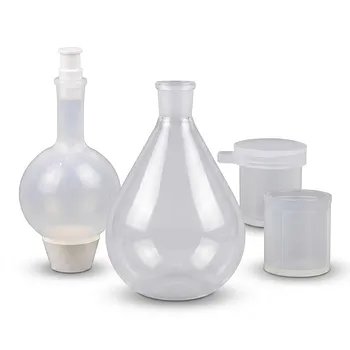
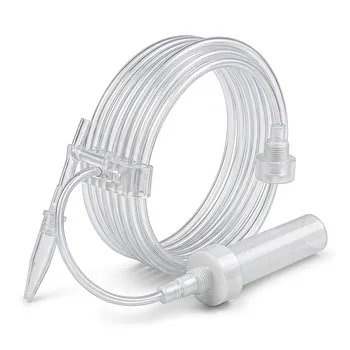
PFA represents the "best of both worlds" in laboratory fluoropolymers. It bridges the gap between the extreme thermal performance of PTFE and the manufacturing versatility of FEP. Specifically, PFA offers the 260°C heat resistance of PTFE while maintaining the ability to be molded into the complex, high-purity geometries required for modern research.
PFA is the premium choice for high-performance laboratory environments, offering the extreme temperature and chemical resistance of PTFE alongside the melt-processability and superior creep resistance of FEP.
The Unique Positioning of PFA in the Lab
Combining PTFE Performance with FEP Processability
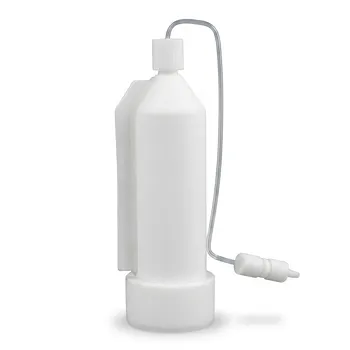
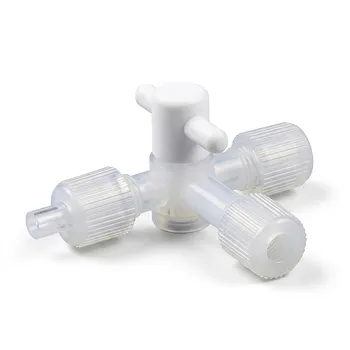
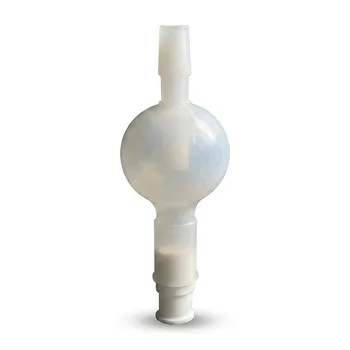
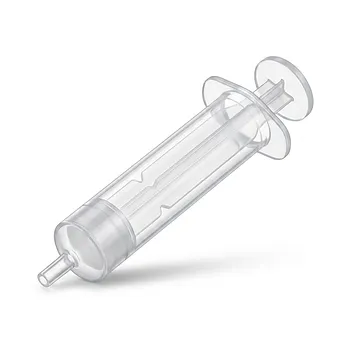
PFA is a co-polymer designed to eliminate the manufacturing limitations of PTFE. While PTFE must be sintered and machined, PFA can be injection molded into precise labware components. This allows for the creation of complex geometries like manifolds, valves, and connectors that PTFE cannot easily achieve.
Superior Surface Quality and Purity
Unlike the slightly porous nature of sintered PTFE, PFA features a smooth, non-porous finish. This is critical in analytical labs to prevent cross-contamination and ensure complete drainage. It makes PFA the gold standard for trace metal analysis and ultra-pure chemical handling.
Comparing Thermal and Chemical Performance
Temperature Thresholds
PFA maintains its integrity up to 260°C (500°F), matching the high-heat performance of PTFE. In contrast, FEP is limited to a maximum continuous service temperature of approximately 205°C. This makes PFA the necessary choice for high-temperature digestion or aggressive sterilization cycles.
Chemical Inertness Across the Board
All three fluoropolymers offer exceptional resistance to acids, bases, and solvents. However, PFA and PTFE provide the most robust protection against a wider range of aggressive reagents at elevated temperatures. FEP, while highly resistant, may begin to break down slightly sooner under extreme thermal and chemical stress combined.
Mechanical Durability and Structural Integrity
The Problem with PTFE "Creep"
PTFE is notorious for "creep," a phenomenon where the material permanently deforms under constant load or pressure. PFA is specifically engineered to be creep-resistant, maintaining its shape far better over time. This makes PFA superior for threaded fittings and seals that must remain leak-proof.
Stress-Crack Resistance and Flexibility
FEP and PFA both offer better resistance to cracking under stress compared to PTFE. PFA, however, takes this further by offering better mechanical robustness and resistance to flexing than FEP. This durability ensures a longer service life for moving parts or tubing subjected to constant vibration.
Understanding the Trade-offs
The Cost of Performance
The primary drawback of PFA is its higher cost relative to both PTFE and FEP. The complexity of its synthesis and the specialized equipment required for melt-processing make it a premium investment. Users must determine if their application truly requires the combined benefits of high heat and complex molding.
Optical Clarity
FEP often provides the best optical clarity of the three, which is useful for visual monitoring of reactions. While PFA is translucent and allows for fluid level monitoring, it may not be as clear as FEP. PTFE is opaque, offering no visibility of the contents within the vessel.
Making the Right Choice for Your Goal
Selecting the right fluoropolymer depends on the specific thermal and structural demands of your laboratory application.
- If your primary focus is maximum thermal and chemical resistance at the lowest cost: PTFE remains the standard for simple shapes like gaskets, stir bars, and basic beakers where molding is not required.
- If your primary focus is high-purity, complex labware with high-heat requirements: PFA is the definitive choice due to its melt-processability, 260°C limit, and resistance to deformation.
- If your primary focus is transparency and stress-crack resistance at moderate temperatures: FEP provides an economical, melt-processable alternative that is ideal for bottles and tubing used below 205°C.
Choosing the right fluoropolymer ensures your lab equipment survives the harshest environments without compromising the integrity of your results.
Summary Table:
| Feature | PTFE | PFA | FEP |
|---|---|---|---|
| Max Service Temp | 260°C (500°F) | 260°C (500°F) | 205°C (400°F) |
| Manufacturing | Sintering & Machining | Melt-Processable (Molding) | Melt-Processable (Molding) |
| Creep Resistance | Low (Deforms) | High | High |
| Optical Clarity | Opaque | Translucent | Transparent |
| Surface Porosity | Slightly Porous | Non-Porous (Ultra-Smooth) | Non-Porous |
| Primary Strength | Cost-effective heat resistance | High-purity complex geometries | Clarity & stress-crack resistance |
Elevate Your Laboratory Precision with KINTEK’s Fluoropolymer Expertise
Choosing the right material is critical for the integrity of your results. KINTEK specializes in high-performance fluoropolymers, offering an exhaustive range of laboratory supplies crafted from premium PTFE and PFA. From everyday basics like beakers, measuring cylinders, and reagent bottles to specialized components like high-purity trace analysis instruments and cleaning tanks, we provide the durability and purity your research demands.
Our Comprehensive Solutions Include:
- Fluid Transfer & Handling: Tubing, fittings, valves, and precision pipettes.
- Sample Prep & Filtration: Separatory funnels, filters, tweezers, and spatulas.
- Advanced Apparatus: Custom electrochemical cells, battery testing fixtures, hydrothermal synthesis liners, and microwave digestion vessels.
- General Consumables: Stirring bars, O-rings, gaskets, and seal tapes.
The KINTEK Advantage: Backed by end-to-end custom CNC fabrication, we deliver everything from complex non-standard machined parts to high-volume orders with absolute focus on high-performance materials. Whether you need bespoke laboratory setups or standard consumables, we have the engineering capability to meet your exact specifications.
Ready to optimize your lab setup? Contact our experts today to discuss your custom requirements!
Related Products
- High Purity PFA Crucible and Corrosion Resistant PTFE Beaker for Trace Analysis and Custom Laboratory Applications
- PTFE PFA Vacuum Filtration System Corrosion Resistant Customizable Shatterproof Laboratory Device
- High Purity PFA Coiled Tubing Custom PTFE Machining PFA Welding and Precision Bending Solutions
- High Purity PFA Chromatography Columns and Collection Bottles Corrosion Resistant Fluoropolymer Filtration Systems for Trace Analysis
- Custom PFA Reaction Bottles High Purity PTFE Reaction Vessels Corrosion Resistant Petrochemical Containers
People Also Ask
- Why are high-purity vessels critical for BiFeO3 synthesis? Ensuring Phase Purity
- Why is the use of high-purity PFA or PTFE labware critical during TiO2 nanoparticle purification? Protect Sample Purity
- Why is high-purity PFA trace analysis labware used for MXene? Ensure Superior Material Integrity in Research
- Why is high-purity PFA labware necessary for Znx@LS-2 zeolite ICP-OES analysis? Ensure Trace-Level Precision
- Why is high-purity PFA trace analysis labware used for sample processing when preparing Mo2CTx@MoS2? Ensure Material Purity