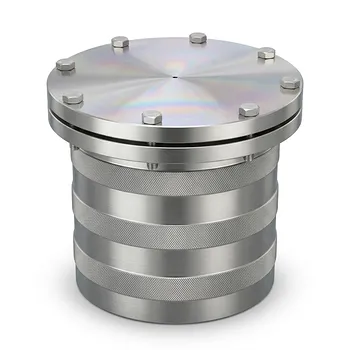
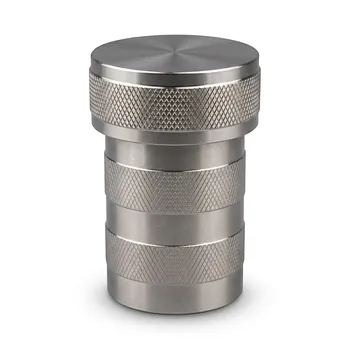
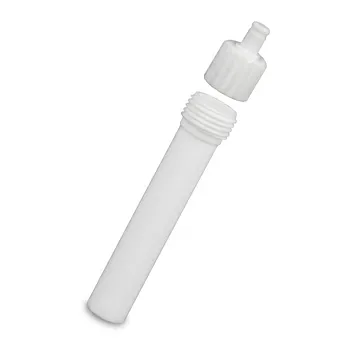
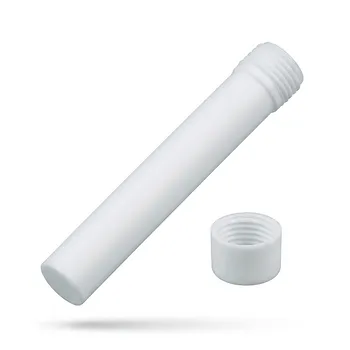
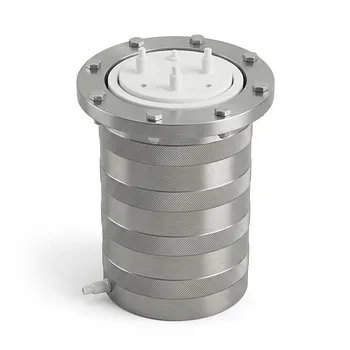
The hydrothermal autoclave with a PTFE liner is indispensable because it creates a pressurized, high-temperature environment required for alkaline reactions while shielding the equipment from catastrophic corrosion.
Specifically, for the alkaline treatment of graphite, the autoclave maintains temperatures (typically around 200°C) and the resulting autogenous pressure necessary to drive the chemical reaction with agents like sodium hydroxide. The PTFE liner acts as a chemically inert barrier that resists the caustic nature of strong bases, which would otherwise degrade the stainless steel vessel and introduce metal ion impurities into the graphite sample.
Core Takeaway: The combination of a stainless steel outer shell and a PTFE inner liner allows researchers to safely harness the high-pressure conditions needed for graphite modification while ensuring the final material remains free from metallic contamination.
Managing the Mechanics of Hydrothermal Reactions
Creating a Sealed High-Pressure Vessel
The stainless steel body of the autoclave provides the mechanical strength necessary to withstand the high autogenous pressure generated during heating. For reactions involving graphite, these pressures are essential to force the alkaline solution into the graphite layers, facilitating chemical changes that wouldn't occur at atmospheric pressure.
Driving the Alkaline Reaction through Heat
Elevated temperatures, such as 200°C, are required to overcome the activation energy needed for the reaction between graphite and reagents like sodium hydroxide (NaOH). The autoclave serves as a "pressure cooker" that keeps the liquid reagents from boiling away, allowing the reaction to proceed in a sub-critical liquid phase.
The Critical Function of the PTFE Liner
Extreme Resistance to Strong Bases
While stainless steel is physically strong, it is vulnerable to corrosion by strong bases at high temperatures. The Polytetrafluoroethylene (PTFE) liner is used because it is one of the most chemically stable materials available, remaining unaffected by the caustic alkaline environment required for graphite treatment.
Maintaining High-Purity Carbon Standards
Without a liner, the alkaline solution would leach metal ions (such as iron, chromium, and nickel) from the autoclave walls into the reaction mixture. This would contaminate the graphite or reduced graphene oxide (rGO) hybrids, potentially altering their electronic or chemical properties and ruining the experiment's validity.
Reducing Particle Adhesion
PTFE has a low surface energy, which prevents the graphite or synthesized particles from sticking to the container walls. This ensures a higher yield of the treated powder and makes the cleaning process much simpler after the reaction is complete.
Understanding the Trade-offs and Safety Limits
Temperature Limitations of PTFE
The most significant trade-off when using a PTFE liner is its temperature ceiling, which is generally capped at 250°C. Beyond this point, PTFE can begin to soften or release toxic fumes, meaning it is unsuitable for ultra-high-temperature hydrothermal processes.
Pressure Sensitivity and Deformation
If the heating and cooling cycles are too rapid, the PTFE liner can undergo thermal expansion stress, leading to deformation or cracking. Users must ensure the cooling process is gradual to maintain the seal and structural integrity of the liner over multiple uses.
Thermal Conductivity Lag
Because PTFE is a thermal insulator, there is a lag time between the temperature of the oven and the actual temperature of the reaction fluid inside the liner. Researchers must account for this "ramp-up" time when timing their reactions to ensure consistent results.
How to Apply This to Your Project
When conducting alkaline treatments or synthesizing carbon-based hybrids, your equipment choice should be dictated by your specific purity and safety requirements.
- If your primary focus is High-Purity Carbon Synthesis: Always use a high-quality PTFE liner to prevent metal ion leaching and ensure the chemical integrity of your graphite or rGO.
- If your primary focus is Chemical Safety and Longevity: Ensure the PTFE liner is properly fitted within the stainless steel shell to prevent caustic vapors from reaching and pitting the outer metal casing.
- If your primary focus is Operating Above 250°C: Seek alternative liner materials, such as PPL (para-polyphenylene) or gold-lined autoclaves, as standard PTFE will fail at these extreme temperatures.
Selecting the correct liner-autoclave combination is the foundational step in ensuring a successful, uncontaminated, and safe hydrothermal treatment of graphite.
Summary Table:
| Component | Function | Key Benefit |
|---|---|---|
| Stainless Steel Shell | Structural Support | Withstands high autogenous pressure for sub-critical reactions |
| PTFE Liner | Chemical Barrier | Resists caustic NaOH and prevents metal ion contamination |
| Non-stick Surface | Low Surface Energy | Prevents particle adhesion and ensures higher yield of treated powder |
| Temperature Range | Safe Up to 250°C | Ideal for most alkaline treatments and hydrothermal synthesis |
Elevate Your Research with High-Performance Fluoropolymer Solutions
Don’t let corrosion or contamination compromise your material synthesis. KINTEK offers an exhaustive range of high-purity laboratory supplies crafted from premium PTFE and PFA. From essential labware like beakers, crucibles, and digestion tubes to advanced apparatus including hydrothermal synthesis liners, microchannel reactors, and custom electrochemical cells, we provide the tools you need for absolute precision.
Whether you require high-volume consumables like O-rings and gaskets or bespoke, CNC-machined components for complex fluid transfer, KINTEK’s end-to-end fabrication ensures your equipment meets the most rigorous standards of trace analysis.
Ready to upgrade your lab? Contact us today to discuss your specific requirements and see how our expertise in high-performance fluoropolymers can benefit your project.
References
- Lucilene dos Santos, Janaína Esmeraldo Rocha. Purification and Preparation of Graphene-like Nanoplates from Natural Graphite of Canindé, CE, Northeast-Brazil. DOI: 10.3390/ma18133162
This article is also based on technical information from Kintek Knowledge Base .
Related Products
- PTFE Lined High Pressure Digestion Vessel 50ml High Temperature Hydrothermal Synthesis Tank
- Custom TFM Reaction Vessel with Stainless Steel Jacket and PTFE Inner Cup for High Corrosion Resistance
- High Temperature Corrosion Resistant Hydrothermal Synthesis Reactor with TFM Inner Liner and Straight Cylinder Design
- High Purity PTFE Microwave Digestion Vessel Replacement Liner for Acid Sample Preparation and Trace Analysis
- High Purity TFM Microwave Digestion Vessels PTFE Acid Evaporation Liners Domestic GT-400 Equivalent Laboratory Reaction Containers
People Also Ask
- What are the benefits of using a PTFE-lined vessel for carbon-sulfur cathode treatment? Maximize Purity & Performance
- Why are PTFE-lined pressure digestion vessels required for the preparation of Ag/CeO2 catalysts? Purity & Performance
- What safety features are typically incorporated into high-pressure PTFE digestion vessel designs? Ensure Lab Safety
- What is the function of PTFE lined high-pressure vessels in g-C3N4 synthesis? Achieve High-Purity Material Growth
- Role of High-Pressure Digestion Tanks in Perovskite Synthesis: Achieve Superior Stability and Latent Heat