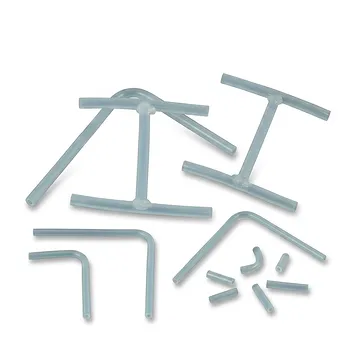
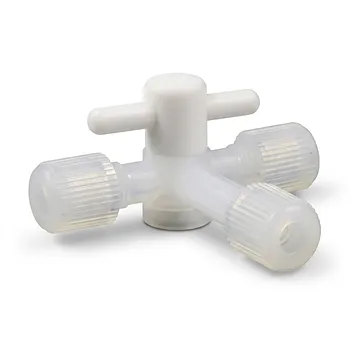
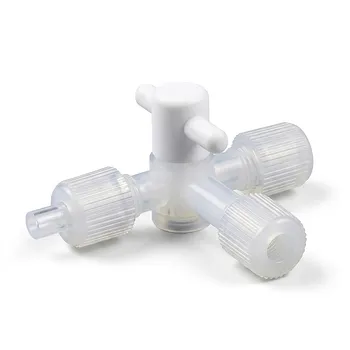
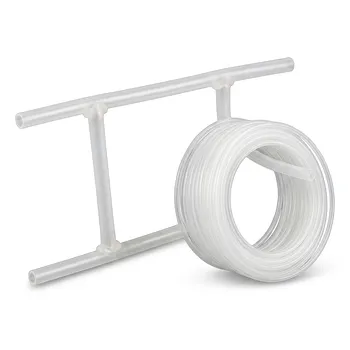
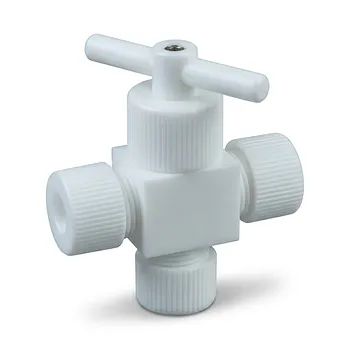
Precision fluid transfer components are the critical infrastructure of DPPH radical scavenging experiments. These components, including corrosion-resistant valves, specialized tubing, and high-precision pipettes, ensure the exact micro-volume distribution of nitrogen and sulfur-doped carbon dots (N,S-CDs) and DPPH solutions. This precision is vital because even minor volumetric errors can distort the linear relationship between concentration and absorbance, leading to inaccurate antioxidant kinetic data.
Core Takeaway: Precision fluid transfer is essential for maintaining the concentration integrity of N,S-CDs by preventing adsorption and evaporation. This ensures that the measured absorbance decay accurately reflects the free radical scavenging efficiency and provides reproducible IC50 values.
The Criticality of Volumetric Accuracy
Achieving Reliable IC50 Calculations
The calculation of IC50 values—the concentration required to inhibit 50% of free radicals—depends entirely on a precise linear relationship between sample concentration and absorbance. Any deviation in the volume of the carbon dot solution or the DPPH ethanol reagent directly skews the resulting data. Precision pipetting systems provide the consistency needed to compare the scavenging abilities of different carbon dot formulations objectively.
Measuring Precise Reaction Kinetics
DPPH assays are fundamentally kinetic tests that measure the rate of absorbance decay over a specific timeframe. Precision components allow researchers to distribute micro-volumes with high repeatability across a reaction series. This level of control ensures that the observed decay rate truly represents the chemical activity of the N,S-CDs rather than experimental noise.
Preventing Concentration Deviations
Traditional delivery methods are often susceptible to evaporation and adsorption, which can significantly alter the effective concentration of the analyte. Precision valves and specialized tubing act as closed, controlled systems that mitigate these losses. By preserving the intended concentration, these components ensure that the final absorbance readings are a true reflection of the sample's antioxidant capacity.
Material Science and Chemical Integrity
Minimizing Surface Adsorption with Fluoropolymers
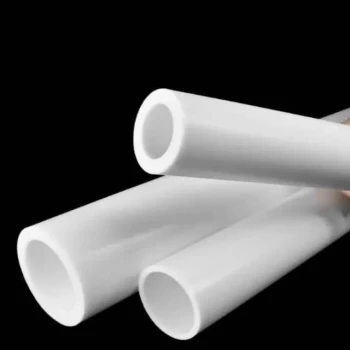
N,S-CDs and associated surfactants can adhere to the surfaces of standard glass or low-grade plastic containers, leading to significant measurement errors. High-purity PFA (Perfluoroalkoxy) and PTFE (Polytetrafluoroethylene) components are recommended due to their extremely low surface energy. These non-stick properties minimize the loss of the analyte on the walls of the transfer system.
Eliminating Leaching and Impurities
The synthesis and analysis of N,S-CDs are highly sensitive to trace impurities that can interfere with fluorescence performance. Precision components made from inert fluoropolymers prevent the leaching of metal ions or organic contaminants into the reaction mixture. This maintains the chemical purity of the carbon dots and ensures that the scavenging results are not influenced by external factors.
Ensuring Stability in High-Ionic Environments
In complex experiments involving high-ionic-strength buffers, precise flow control is necessary to maintain the ionic balance of the system. PTFE tubing and fittings are particularly effective here because they are chemically stable against a wide range of reagents. This stability allows for accurate dosing without the risk of component degradation or reaction interference.
Understanding the Trade-offs
Cost versus Analytical Precision
While precision fluid transfer components offer superior accuracy, they represent a significantly higher initial investment compared to standard laboratory consumables. Researchers must weigh the cost of PFA/PTFE materials against the potential cost of repeated experiments due to data inconsistency. For high-stakes antioxidant research, the reduction in experimental "noise" usually justifies the expense.
Complexity of System Calibration
Maintaining a precision fluid system requires rigorous calibration and maintenance schedules to ensure continued accuracy. Automated valves and precision dosing pumps can introduce mechanical complexity into a lab setup. If these systems are not properly maintained, they can become a source of systematic error rather than a solution for it.
How to Apply This to Your Project
When integrating precision fluid transfer components into your N,S-CDs research, your choice should be dictated by your specific experimental objectives.
- If your primary focus is determining exact IC50 values: Prioritize high-precision micropipettes and matching tips with low-retention properties to ensure linear accuracy across concentration gradients.
- If your primary focus is long-term kinetic monitoring: Invest in PTFE or PFA tubing and closed-loop valve systems to prevent concentration changes caused by solvent evaporation over time.
- If your primary focus is synthesizing high-purity N,S-CDs: Utilize PTFE liners in hydrothermal reactors to prevent metal ion leaching and ensure batch-to-batch fluorescence consistency.
- If your primary focus is evaluating electrostatic stability: Use precision dosing systems during Zeta potential analysis to accurately capture the equilibrium point changes between carbon dots and pollutants.
By matching the specific material properties and precision levels of your fluid transfer components to your experimental goals, you ensure that your findings on nitrogen and sulfur-doped carbon dots remain both credible and reproducible.
Summary Table:
| Feature | Impact on N,S-CDs Experiments | Recommended Material |
|---|---|---|
| Volumetric Accuracy | Ensures reliable IC50 and kinetic data | Precision Pipettes / PFA Tubing |
| Low Surface Energy | Prevents analyte adsorption and concentration loss | High-purity PFA / PTFE |
| Chemical Inertness | Eliminates leaching and trace impurities | PFA / PTFE |
| Closed-loop Flow | Mitigates solvent evaporation during monitoring | PTFE Valves and Fittings |
Elevate Your Antioxidant Research with KINTEK
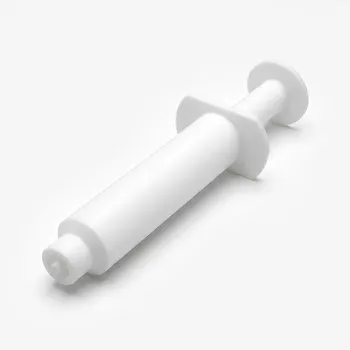
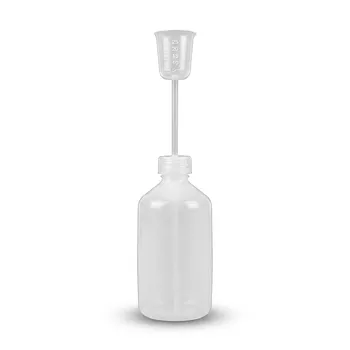
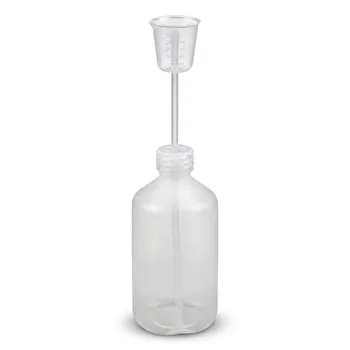
Precision is the backbone of reliable N,S-CDs analysis. At KINTEK, we specialize in high-performance fluoropolymer solutions designed to eliminate experimental noise. From everyday basic labware like beakers, reagent bottles, and pipettes to specialized fluid transfer components including PTFE/PFA tubing, fittings, and valves, we ensure your samples remain pure and your concentrations constant.
Whether you require high-purity trace analysis tools, sample filtration components, or advanced reaction apparatus like hydrothermal synthesis liners and custom electrochemical cells, our end-to-end custom CNC fabrication is ready to deliver. Secure the integrity of your IC50 calculations and kinetic data with materials that prevent adsorption and leaching.
Ready to optimize your laboratory setup? Contact us today to discuss your custom fluoropolymer needs!
References
- S. Swain, Ashis Kumar Jena. Green Synthesis of N,S-Doped Carbon Dots from the Giloy Stem for Fluorimetry Detection of 4-Nitrophenol, Triple-Mode Detection of Congo Red, and Antioxidant Applications. DOI: 10.1021/acsomega.4c09748
This article is also based on technical information from Kintek Knowledge Base .
Related Products
- High Performance PFA Coiled Spring Tubing and Custom PTFE Fabrication Services with Welded Fittings and Precision Bent Components
- High Purity PFA Valves and Weldable Corrosion Resistant Transparent Tubing for Semiconductor Sensor Manufacturing Fluid Transfer
- Corrosion Resistant High Purity PFA Valve and Weldable Transparent Tubing for Semiconductor Fluid Transfer
- Corrosion Resistant PFA Tubing 1/4 Inch Custom Molded Welded Fluid Transfer Components
- High Corrosion Resistant PTFE Faucet Polytetrafluoroethylene Valve for Chemical Storage Drums and Fluid Transfer Systems Customizable Industrial Grade
People Also Ask
- What are the technical advantages of high-precision PFA tubing in MXene production? Maximize Purity and Yield.
- What technical advantages do PFA tubing and fittings offer? Master Precision Fluid Transfer and Flow Chemistry
- What are the technical advantages of high-quality PFA tubing? Achieve Ultimate Purity and Precision in Fluid Handling
- How does high-purity PFA tubing maintain reagent purity? Achieve Ultra-Smooth, Zero-Contamination Fluid Transfer
- What are the key benefits of PTFE in custom fabrication? Unlock Performance in Extreme Conditions