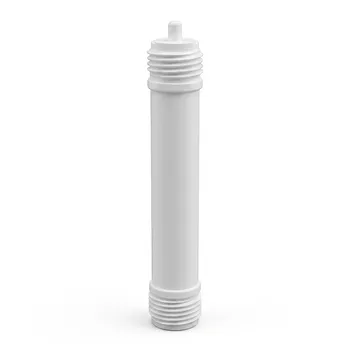
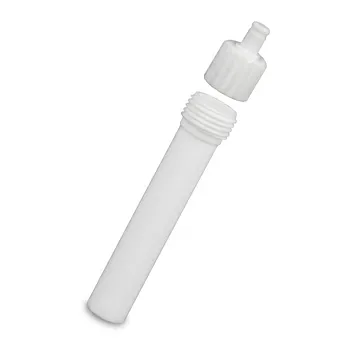
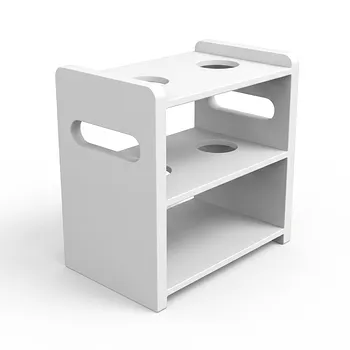
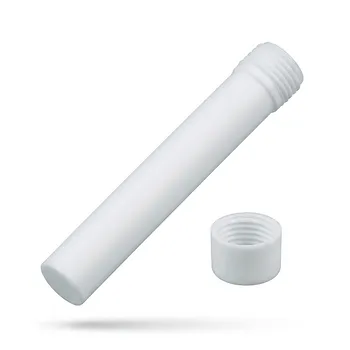
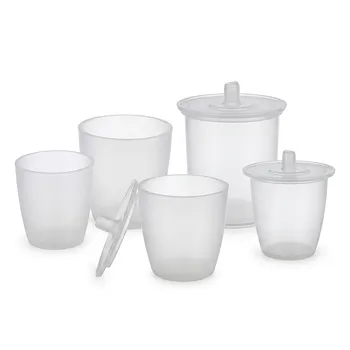
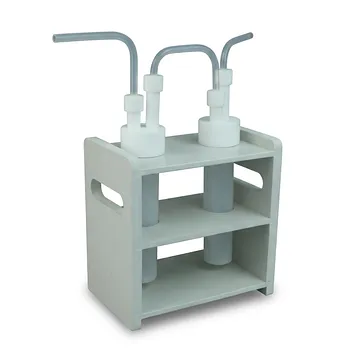
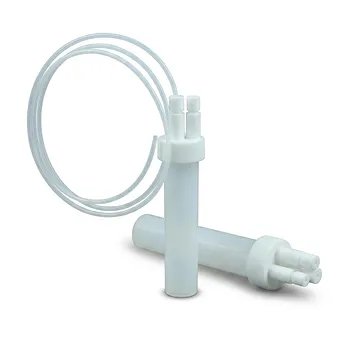
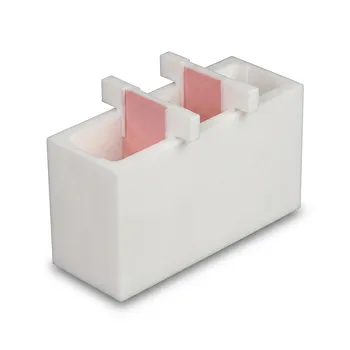
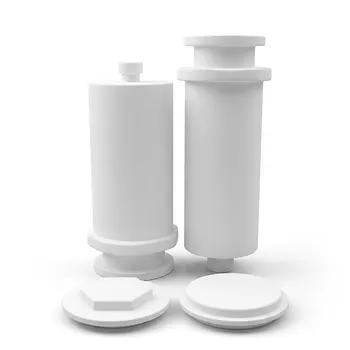
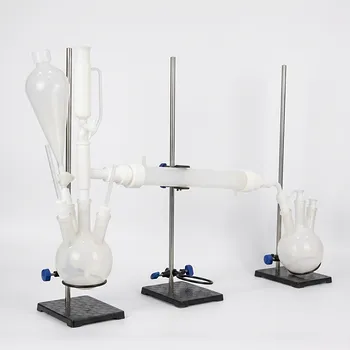
High-quality PTFE or PFA liners are indispensable for the synthesis of Lithium Iron Phosphate ($LiFePO_4$) because they act as an inert chemical barrier. These liners prevent aggressive precursors from corroding the stainless steel reactor walls and stop external metal ions from leaching into the reaction, which would otherwise compromise the purity and electrochemical performance of the battery material.
Core Takeaway: PTFE and PFA liners serve a dual purpose: they protect the structural integrity of the autoclave from acidic or alkaline corrosion and ensure the synthesized $LiFePO_4$ remains free from metallic impurities that degrade battery cycle life.
Managing the Corrosive Synthesis Environment
Resistance to Aggressive Precursors
The hydrothermal synthesis of $LiFePO_4$ typically involves corrosive chemical precursors such as phosphoric acid ($H_3PO_4$), lithium salts, and iron salts. At the high temperatures and pressures required for the reaction, these chemicals become significantly more aggressive toward metal surfaces.
Thermal and Chemical Stability
High-purity PTFE (Polytetrafluoroethylene) and PFA (Perfluoroalkoxy) are used because they maintain physical stability across a broad temperature range. They offer a completely inert environment, ensuring that the vessel does not react with the complex solvent systems or the precursors.
Protecting the Pressure Vessel
Without a liner, the strong acidity or alkalinity of the reaction media would cause electrochemical corrosion on the inner walls of the stainless steel autoclave. This corrosion not only damages the expensive equipment but also creates a significant safety risk during high-pressure operations.
Ensuring Product Purity and Performance
Preventing Metal Ion Leaching
One of the most critical roles of the liner is to prevent metal ions (such as Chromium, Nickel, or Iron) from the steel vessel from leaching into the reaction solution. Even trace amounts of these external metals can incorporate into the $LiFePO_4$ crystal lattice, acting as unwanted dopants.
Impact on Electrochemical Properties
The presence of leached impurities can lead to poor electrochemical performance, reduced capacity, and unstable cycling in the final battery cells. By isolating the reaction, PTFE and PFA liners ensure the chemical purity required for high-performance nanomaterials.
Facilitating Sample Recovery
PTFE and PFA possess excellent non-stick and mold-release properties, which are vital for collecting synthesized nanopowders or single crystals. This allows for a higher yield of the material and makes the thorough cleaning of the reaction vessel much easier for subsequent batches.
Understanding the Trade-offs
Temperature and Pressure Limitations
While highly resistant to chemicals, PTFE has a lower temperature ceiling (typically around 220°C to 250°C) compared to the metal vessels themselves. Exceeding these temperatures can cause the liner to soften, deform, or even release toxic fluorinated vapors.
Thermal Expansion and "Creep"
PTFE and PFA have different thermal expansion coefficients than the stainless steel outer shell. This mismatch, combined with high pressure, can lead to "creep" or permanent deformation of the liner over time, eventually requiring replacement to prevent leaks.
Heat Transfer Resistance
Fluoropolymers are insulators, meaning they slow down the transfer of heat from the oven to the internal reaction medium. This requires researchers to carefully calibrate heating times to ensure the precursors reach the target temperature for crystal growth.
How to Apply This to Your Project
Selecting the Right Liner Material
Choosing between PTFE and PFA depends on your specific experimental parameters and the level of purity required for your battery research.
- If your primary focus is standard hydrothermal synthesis below 220°C: Use high-purity PTFE liners, as they offer the most cost-effective and reliable chemical resistance for most $LiFePO_4$ recipes.
- If your primary focus is visual monitoring or slightly higher temperatures: Consider PFA liners, which are often more translucent and can offer slightly better mechanical stability in specific high-purity applications.
- If your primary focus is extreme purity and easy cleaning: Prioritize high-purity "virgin" grade materials to ensure no recycled additives contaminate your $LiFePO_4$ nanoparticles.
By utilizing high-quality fluoropolymer liners, you ensure both the safety of your laboratory equipment and the high-performance standards required for modern lithium-ion battery materials.
Summary Table:
| Feature | Benefit for LiFePO4 Synthesis |
|---|---|
| Chemical Inertness | Resists aggressive phosphoric acid and lithium salts at high heat. |
| Metal Ion Barrier | Prevents Cr, Ni, and Fe leaching to maintain electrochemical performance. |
| Non-stick Surface | Facilitates high-yield recovery of synthesized battery nanopowders. |
| Corrosion Protection | Shields the stainless steel autoclave from acidic/alkaline damage. |
| High Purity | Eliminates unwanted dopants for stable battery cycling and capacity. |
Elevate Your Battery Research with Precision Fluoropolymer Solutions
At KINTEK, we understand that the purity of your $LiFePO_4$ synthesis depends on the quality of your reaction environment. We specialize in high-performance fluoropolymer materials, offering everything from high-purity hydrothermal synthesis liners and microwave digestion vessels to custom electrochemical cells and battery testing fixtures.
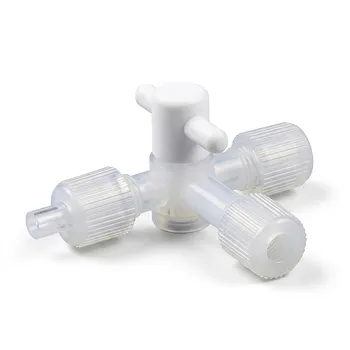
Whether you need everyday essentials like PTFE beakers and reagent bottles, complex fluid transfer components (tubing, valves), or bespoke CNC-machined parts tailored to your specific autoclave dimensions, KINTEK delivers unmatched chemical resistance and thermal stability. Our end-to-end fabrication capabilities ensure you get the exact tools required for advanced materials research and high-volume production.
Ready to protect your equipment and ensure superior material performance?
Contact KINTEK today for custom labware solutions
References
- N.U. Kalugade, G. M. Lohar. Machine Learning Analysis of Hydrothermally Synthesized LiFePO<sub>4</sub> for Lithium‐Ion Battery. DOI: 10.1002/bte2.20250021
This article is also based on technical information from Kintek Knowledge Base .
Related Products
- High Purity PTFE Microwave Digestion Vessel for Soil and Food Analysis Acid Resistant Fluoropolymer Sample Preparation Liners
- High Purity PTFE Microwave Digestion Vessel Replacement Liner for Acid Sample Preparation and Trace Analysis
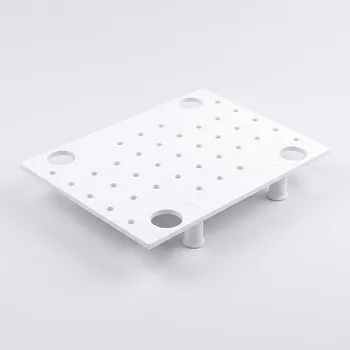
- Custom PTFE Acid Resistant Support Rack for PFA Hydrogen Absorption Systems Multi Hole Configurations
- High Purity TFM Microwave Digestion Vessels PTFE Acid Evaporation Liners Domestic GT-400 Equivalent Laboratory Reaction Containers
- High Purity PFA Crucible and Corrosion Resistant PTFE Beaker for Trace Analysis and Custom Laboratory Applications
People Also Ask
- How does the dielectric property of PTFE benefit microwave-assisted digestion? Unlock Rapid and Uniform Sample Heating
- What are the advantages of using microwave digestion vessels? Optimize EG@MO synthesis with superior thermal control.
- What safety features are commonly integrated into microwave digestion vessels? Ensuring High-Pressure Laboratory Safety
- What are the advantages of using microwave digestion vessels for environmental analysis? Boost speed and sample accuracy.
- How do microwave digestion vessels support pharmaceutical elemental impurity testing? Achieve Precise USP Compliance