In the SPLIT-S zeolite synthesis process, high-precision fluid handling is the critical mechanism for isolating high-aluminum solids without sacrificing the essential mother liquor. These components ensure that the primary solid phase is completely removed while the liquid phase—containing expensive organic structure-directing agents (OSDAs) and silicon sources—remains intact to support the growth of zeolites with high silicon-to-aluminum (Si/Al) ratios.
Core Takeaway: High-precision fluid handling components are essential for maintaining the stoichiometric integrity of the SPLIT-S process by ensuring total solid-phase removal while preventing the loss of the liquid-phase nutrients necessary for high-yield, high-silica zeolite synthesis.
Preserving the Chemical Foundation of the Mother Liquor
Retention of Critical Synthesis Nutrients
The SPLIT-S process relies on a clear mother liquor that is rich in organic structure-directing agents (OSDA) and silicon precursors.
Using imprecise equipment during solid-phase removal leads to the unintended loss of these nutrients, which directly compromises the chemistry of the subsequent synthesis stages.
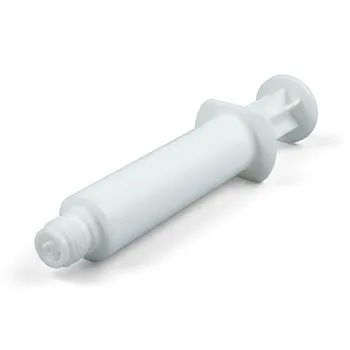
High-precision pipettes and fittings allow for the surgical removal of solids while leaving the liquid-phase concentration of these vital reagents undisturbed.
Optimization of Silicon-to-Aluminum Ratios
Achieving a high Si/Al ratio in the final zeolite product requires a delicate balance of remaining nutrients after the high-aluminum solids are purged.
Any volume discrepancy during fluid handling can shift the molar ratios of the mixture, leading to the formation of undesired zeolite phases or lower-quality crystals.
Precision components ensure that the silicon sources preserved in the mother liquor are available in the exact quantities needed to support high-silica growth.
System Reliability and Chemical Resistance
The Role of PTFE in Chemical Stability
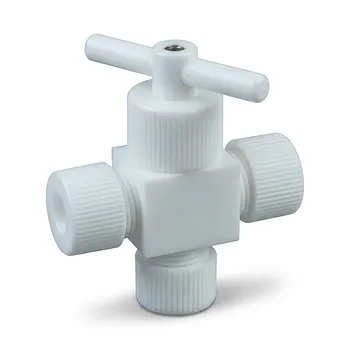
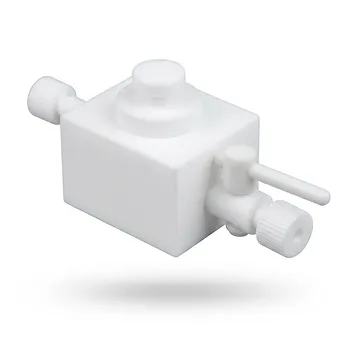
High-precision components like PTFE valves and fittings are used because they offer exceptional chemical stability when exposed to the harsh reagents typical of zeolite synthesis.
These components provide superior sealing performance, which is critical for preventing liquid leakage and cross-contamination within the complex reaction paths of the SPLIT-S process.
The use of chemically resistant materials prevents the introduction of impurities that could act as unintended catalysts or inhibitors during the crystal growth phase.
Durability for Automated Operations
Automated synthesis experiments often require continuous, long-term operation where manual intervention is impossible.
High-precision components often feature self-lubricating and wear-resistant characteristics, ensuring that fluid control remains consistent over hundreds of cycles.
This mechanical reliability is vital for maintaining the scientific integrity of the synthesis, as even minor wear in a valve can lead to volume drift and failed batches.
Understanding the Trade-offs and Pitfalls
The Cost of Precision vs. Process Yield
The primary trade-off when implementing high-precision fluid handling is the significant initial capital investment required for specialized hardware like PTFE-lined components and micro-dispensing systems.
However, failing to invest in this precision often results in lower zeolite yields and the waste of expensive OSDA reagents, which typically costs more in the long run than the equipment itself.
Calibration and Maintenance Overhead
High-precision systems are only as effective as their last calibration; they require rigorous maintenance schedules to ensure accuracy.
In environments involving solids, such as the SPLIT-S process, there is a constant risk of particulate buildup within precision valves, which can lead to clogging or seal failure if the solid-removal phase is not handled perfectly.
Making the Right Choice for Your Goal
When selecting fluid handling components for zeolite synthesis, your choice should align with your specific production or research targets:
- If your primary focus is maximizing Si/Al ratios: Invest heavily in high-precision, chemically inert pipettes and valves to prevent any nutrient loss that would skew your molar balance.
- If your primary focus is automated high-throughput screening: Prioritize PTFE components with high wear resistance to ensure the system remains calibrated during long, unattended runs.
- If your primary focus is minimizing reagent waste: Use micro-addition tools to precisely manage OSDA volumes, as the cost savings on chemicals will quickly offset the hardware expense.
The success of the SPLIT-S process depends entirely on the ability to cleanly separate phases without losing the chemical "blueprints" contained within the mother liquor.
Summary Table:
| Key Feature | Role in SPLIT-S Zeolite Synthesis | Material Advantage (PTFE/PFA) |
|---|---|---|
| Stoichiometric Precision | Prevents loss of OSDAs and Si sources during solid removal. | Ensures exact molar ratios for high-silica growth. |
| Chemical Resistance | Resists harsh reagents and solvents used in synthesis. | Zero contamination; maintains mother liquor purity. |
| Leak-Proof Sealing | Prevents liquid-phase leakage during high-pressure cycles. | Superior sealing performance reduces reagent waste. |
| Mechanical Durability | Supports automated, long-term continuous operations. | Self-lubricating & wear-resistant for consistent dosing. |
| Surgical Separation | Enables precise isolation of high-aluminum solids. | High-purity trace analysis and non-stick surfaces. |
Elevate Your Synthesis Precision with KINTEK Fluoropolymer Solutions
Maintaining the delicate chemical balance of the SPLIT-S process requires more than just standard equipment—it demands the absolute reliability of high-performance fluoropolymers. KINTEK specializes in manufacturing virtually all imaginable laboratory supplies crafted from PTFE and PFA, ensuring your research achieves the highest Si/Al ratios without compromising on purity.
Whether you need everyday essentials like beakers, reagent bottles, and centrifuge tubes, or specialized tools such as high-precision valves, PTFE tubing, and micro-dispensing fittings, we have you covered. Our capabilities extend to advanced standard and custom electrochemical cells, microwave digestion vessels, and microchannel reactors, all backed by end-to-end custom CNC fabrication for complex, non-standard parts.
Don't let fluid handling inaccuracies compromise your zeolite yields. Partner with the experts in high-performance materials to secure your process integrity.
Contact KINTEK today for bespoke laboratory setups and high-volume orders!
References
- Sven Robijns, Michiel Dusselier. Split Syntheses: Introducing Bottom-Up Control over Aluminum in SSZ-13 and ZSM-5 Zeolites. DOI: 10.1021/jacsau.4c00551
This article is also based on technical information from Kintek Knowledge Base .
Related Products
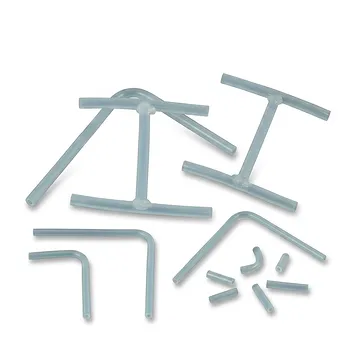
- High Performance PFA Coiled Spring Tubing and Custom PTFE Fabrication Services with Welded Fittings and Precision Bent Components
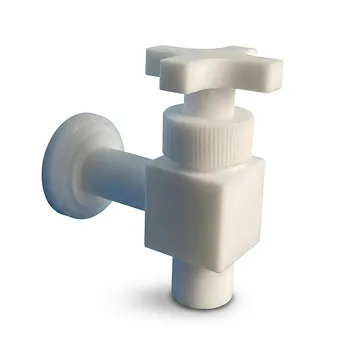
- Corrosion Resistant PTFE Polytetrafluoroethylene Valve and Customizable Laboratory Fluid Dispensing Faucet for Aggressive Chemical Handling in Industrial Storage Tanks and Plastic Drums
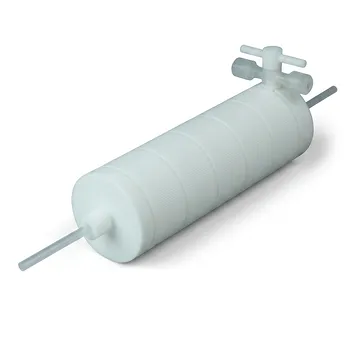
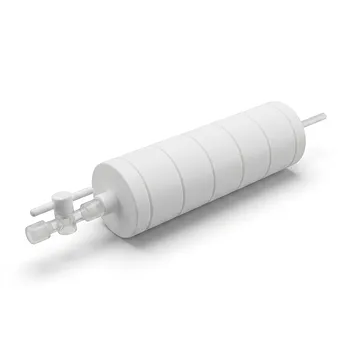
- High Purity PTFE Filter with PFA Valve Connections and Integrated Sieve Plate for Corrosive Fluid Processing
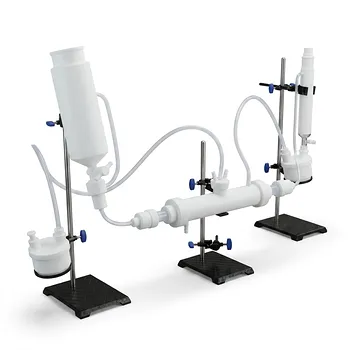
- Custom Polytetrafluoroethylene PTFE Constant Pressure Dropping Funnel Corrosion Resistant Fluid Control Assembly with Conversion Stopper Compatibility
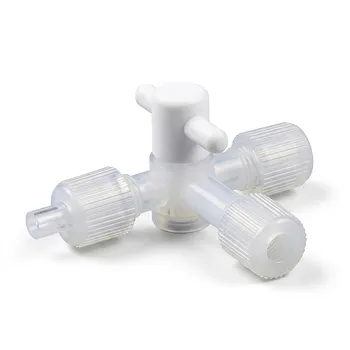
- Custom PTFE Valve 2-Way 3-Way Corrosion Resistant Low Background Virgin Fluoropolymer Industrial Fluid Control
People Also Ask
- What are the technical advantages of high-precision PFA tubing in MXene production? Maximize Purity and Yield.
- What technical advantages do PFA tubing and fittings offer? Master Precision Fluid Transfer and Flow Chemistry
- What are the technical advantages of high-quality PFA tubing? Achieve Ultimate Purity and Precision in Fluid Handling
- What are the key benefits of PTFE in custom fabrication? Unlock Performance in Extreme Conditions
- What fabrication services are available for PTFE? Shearing, Stamping, Laser Cutting, Molding & Machining