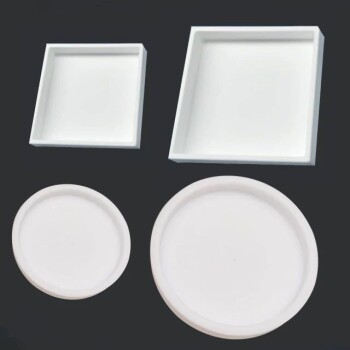
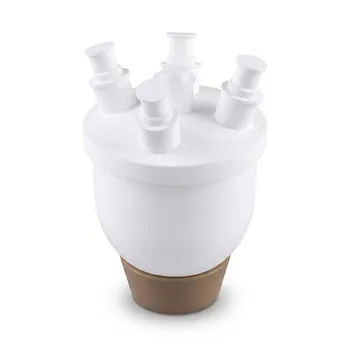
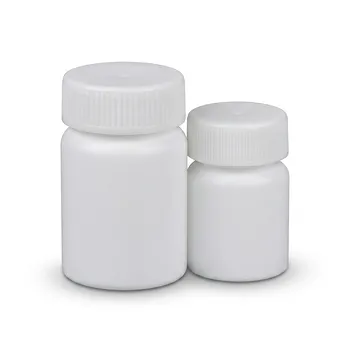
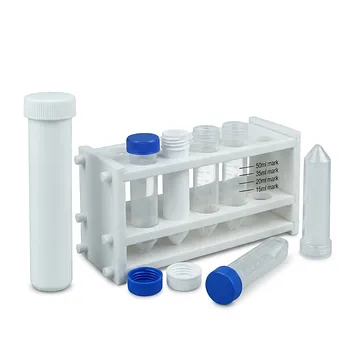
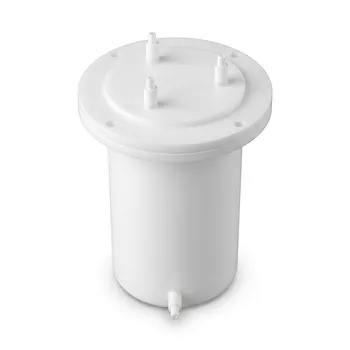
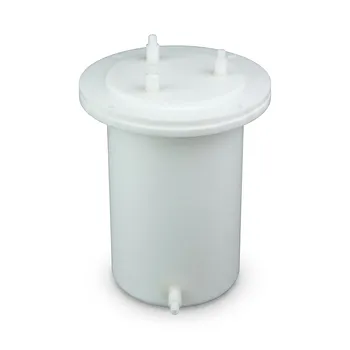
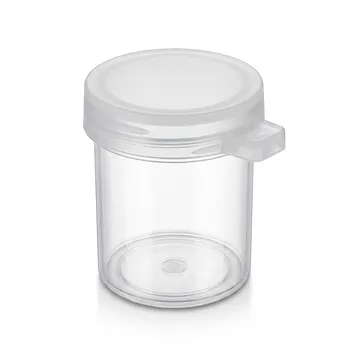
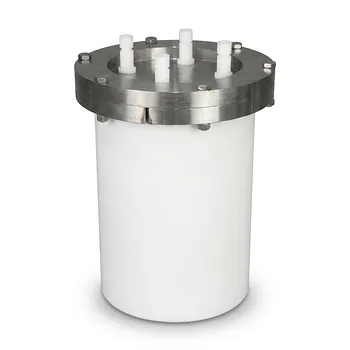
The use of PFA and PTFE containers is a prerequisite for high-fidelity graphitic carbon nitride (g-C3N4) synthesis because these materials eliminate unintended catalytic interference. This specific class of fluoropolymers is recommended because $g-C_3N_4$ is hyper-sensitive to trace transition metal impurities, which can inadvertently dope the material and mask its true catalytic performance. By utilizing trace-analysis grade vessels, researchers ensure that the resulting catalyst's activity is a direct product of its intentional design rather than secondary contamination from the laboratory environment.
Core Takeaway: PFA and PTFE containers provide a chemically inert environment that prevents the leaching of metal ions and the adsorption of precursors, ensuring that the synthesis of $g-C_3N_4$ remains pure at the atomic level for accurate and repeatable results.
The Critical Role of Impurity Control in Catalysis
Sensitivity to Transition Metals
The catalytic performance of $g-C_3N_4$ is significantly influenced by the presence of even minute amounts of transition metals like iron or nickel. In non-metal doped synthesis, the introduction of these elements from container walls can drastically alter the reaction kinetics and electronic structure of the material.
Ensuring Experimental Repeatability
Because trace impurities can act as unintended co-catalysts, using standard glass or low-grade plastic containers leads to inconsistent data. Fluoropolymers like PFA (Perfluoroalkoxy) and PTFE (Polytetrafluoroethylene) provide the chemical stability required to guarantee that every batch of precursor remains uncontaminated.
Validation of Doping Effects
In experiments where specific modifications are being tested, the absence of background noise from wall-leached ions is essential. High-purity containers allow researchers to attribute any change in catalytic activity solely to their intentional modifications.
Resistance to Corrosive Pre-treatment Environments
Stability in Strong Alkalis
Pre-treating precursors often involves extended immersion in highly corrosive solutions like sodium hydroxide (NaOH) or potassium hydroxide (KOH). While these chemicals can dissolve silicate components in traditional glassware, PFA and PTFE remain entirely unaffected.
Preventing Secondary Contamination
When glass is etched by alkaline pre-treatments, it releases silicates and other metal ions into the precursor mix. Using fluoropolymer beakers and reagent bottles acts as a safeguard, maintaining the purity of the catalyst precursor at the ionic and atomic levels.
Durability Against Organic Solvents
Many precursor preparations require organic solvents like toluene or ethanol, which can degrade or leach plasticizers from common plastics. PTFE and PFA exhibit exceptional resistance to these solvents, ensuring no organic contaminants are introduced during the mixing phase.
Managing Surface Energy and Adsorption
Preventing Precursor Adsorption
Fluoropolymers possess extremely low surface energy, which prevents active catalyst components or synthetic fragments from sticking to the inner walls of the vessel. This ensures that the concentration of the precursor remains precise throughout the pre-treatment process.
Eliminating Wall Adhesion
In the preparation of catalyst inks or complex precursors, reactive agents can often adhere to the container surface, leading to material loss and inaccurate stoichiometry. The non-stick nature of PTFE and PFA ensures that 100% of the high-purity reagents remain in the solution.
Integrity in Ultra-Low Temperatures
For precursors requiring long-term storage or low-temperature treatment (down to -80°C), PFA maintains its physical stability and sealing integrity. This prevents the leaching of plasticizers, which are common in other polymer containers and could interfere with the immunological or chemical activity of the samples.
Understanding the Trade-offs
Cost and Accessibility
High-purity fluoropolymer labware is significantly more expensive than standard borosilicate glass or disposable plastics. This requires a higher initial investment in laboratory infrastructure and specialized cleaning protocols to justify the cost.
Physical Limitations
PTFE is generally opaque, which can make visual monitoring of reactions or dissolution processes difficult compared to transparent glass or PFA. Additionally, while these materials are thermally stable, they cannot be used at the extreme temperatures required for the actual thermal polymerization of $g-C_3N_4$, which typically occurs above 500°C.
Cleaning Requirements
Because these containers are used for trace-level analysis, they require rigorous acid-leaching cleaning cycles to ensure they remain free of contaminants. Improper handling can lead to surface scratches that, while not affecting chemical resistance, can trap particulates over time.
How to Apply This to Your Project
Recommendations Based on Research Goals
- If your primary focus is non-metal doped catalytic pathways: Always use trace-analysis grade PFA for precursor storage to eliminate background transition metal interference.
- If your primary focus is alkaline activation or ion exchange: Utilize PTFE mixing tanks and stirring bars to prevent the introduction of silicates from glass erosion.
- If your primary focus is precise precursor stoichiometry: Opt for PFA containers to minimize the risk of active components adsorbing onto the vessel walls.
- If your primary focus is cost-effective general synthesis: Use high-quality borosilicate glass for non-sensitive steps, but switch to fluoropolymers for any step involving strong bases or trace-level doping analysis.
By meticulously selecting PFA or PTFE for precursor handling, you isolate the chemical variables of your synthesis, ensuring that your findings on $g-C_3N_4$ are both scientifically sound and globally reproducible.
Summary Table:
| Feature | Advantage | Impact on g-C3N4 Synthesis |
|---|---|---|
| Chemical Inertness | No leaching of metal ions | Prevents unintended doping (e.g., Fe, Ni) |
| Alkali Resistance | Stable in NaOH/KOH | Allows corrosive pre-treatment without silica contamination |
| Low Surface Energy | Non-stick properties | Prevents precursor adsorption and ensures precise stoichiometry |
| Thermal Stability | Stable to -80°C | Maintains integrity during low-temperature storage |
| Solvent Resistance | Resists organic solvents | Ensures no plasticizer leaching during mixing |
Achieve Atomic-Level Purity in Your Catalysis Research
Don't let trace contaminants mask your breakthrough results. KINTEK specializes in high-performance fluoropolymer labware designed specifically for ultra-trace analysis and corrosive synthesis environments.
Whether you need everyday basic labware like PFA beakers, measuring cylinders, and reagent bottles, or specialized PTFE centrifuge tubes and digestion vessels, KINTEK provides the inert environment your $g-C_3N_4$ precursors demand. Our expertise extends from standard consumables—including stirring bars, O-rings, and filters—to advanced custom electrochemical cells and hydrothermal synthesis liners.
Why choose KINTEK?
- End-to-End Customization: We offer bespoke CNC fabrication for complex, non-standard machined parts tailored to your specific setup.
- Material Focus: Our absolute focus on high-purity PTFE and PFA ensures zero catalytic interference.
- Scalability: We handle everything from single custom pieces to high-volume laboratory orders.
Ensure your modifications are the only variables in your experiment. Contact KINTEK today to source the high-purity fluoropolymer tools your research deserves.
References
- Wassana Mongkonkan, Siriporn Jungsuttiwong. Exploring the Role of Non-Metal Doping in g-C3N4 for CO2 Reduction: A DFT Investigation. DOI: 10.3390/catal15060553
This article is also based on technical information from Kintek Knowledge Base .
Related Products
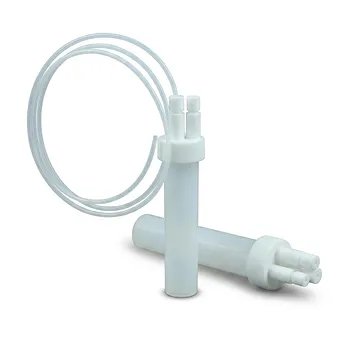
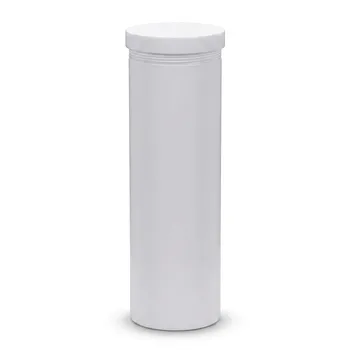
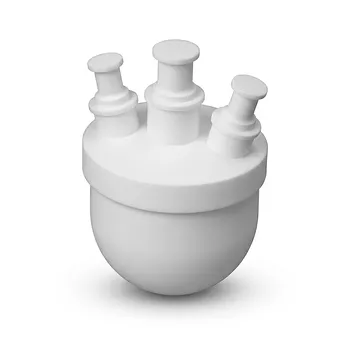
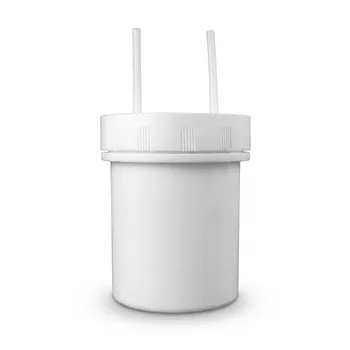
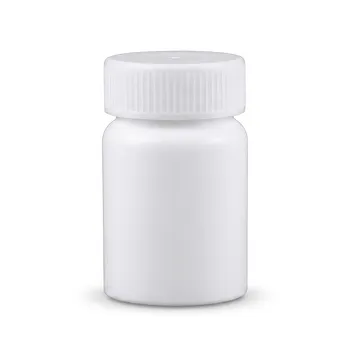
- Custom PFA Reaction Bottles High Purity PTFE Reaction Vessels Corrosion Resistant Petrochemical Containers
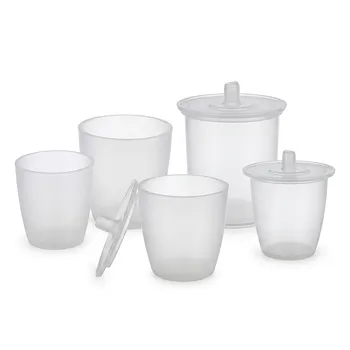
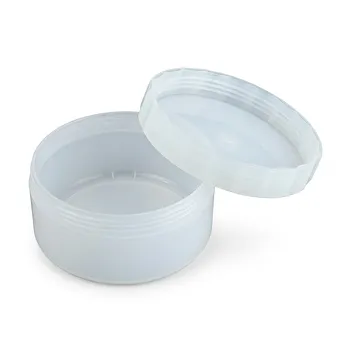
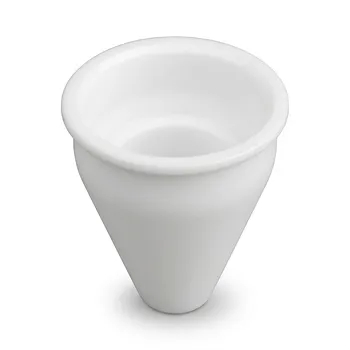
- High Purity PFA Crucible and Corrosion Resistant PTFE Beaker for Trace Analysis and Custom Laboratory Applications
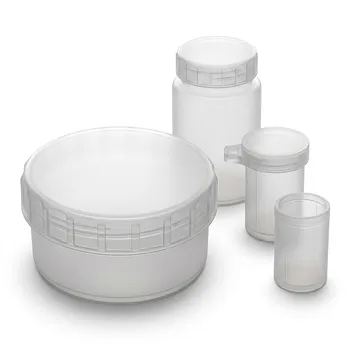
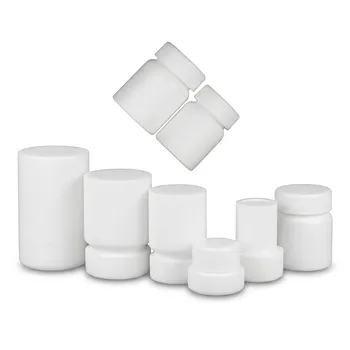
- PFA Reaction Jar Corrosion Resistant Wide Mouth PTFE Lab Bottle High Purity Chemical Vessel
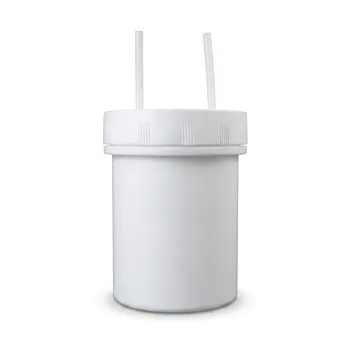
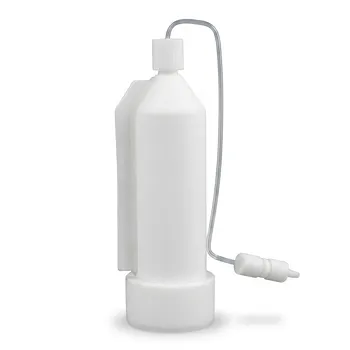
- High Purity Corrosion Resistant PTFE Raw Material Barrel 4L Screw Seal Low Background Feed Tank
- Corrosion Resistant PFA Reaction Tank High Purity Laboratory Reaction Bottle Wide Mouth PTFE Jar Multiple Specifications
People Also Ask
- Why are well-sealed reaction vessels necessary for superacid-promoted Friedel-Crafts polycondensation? Optimize Synthesis
- What is the role of high chemical inertness reaction vessels in the organic synthesis of acylhydrazone ligands? | Guide
- Why are high-purity PFA reaction bottles superior to glass for boride synthesis? Ensure Ultra-Pure Yield & No Leaching
- Why are PTFE or PFA reaction vessels required for the selective etching process of MXene using hydrofluoric acid (HF)?
- Why is the choice of reaction vessel material critical during B-NiBDC synthesis? Optimize MOF Purity & Performance