The selection of gold-plated Monel or specialized stainless steel for flow channel components is a strategic response to the aggressive chemical and electrical environment found in Anion Exchange Membrane Water Electrolysis (AEMWE). These materials are chosen specifically to provide a balance of chemical inertness, high electrical conductivity, and structural integrity under harsh operating conditions.
To maintain the performance and longevity of an AEMWE system, hardware must resist corrosion from concentrated alkaline electrolytes and prevent the leaching of metallic impurities. Using gold-plated Monel or high-grade stainless steel ensures low contact resistance and protects the catalyst from irreversible poisoning.
The Challenge of the Alkaline Environment
Corrosion Resistance in Concentrated Electrolytes
AEMWE systems typically operate using high-concentration alkaline electrolytes, such as 1 M Potassium Hydroxide (KOH). These solutions are highly corrosive to standard industrial metals, leading to rapid component degradation.
Monel (a nickel-copper alloy) and specialized stainless steels are utilized because they possess inherent resistance to alkaline attack. These materials form stable surface oxides that prevent the base metal from dissolving into the electrolyte.
Preventing Catalyst Poisoning
One of the most critical risks in electrolyzer design is the leaching of metallic impurities into the system. If flow plates begin to corrode, metal ions can migrate to the catalyst layer.
Once these ions reach the catalyst, they cause catalyst poisoning, which significantly reduces the electrochemical surface area and degrades performance. Gold plating acts as a secondary, noble barrier that virtually eliminates the risk of ion migration.
Optimizing Electrochemical Efficiency
Minimizing Contact Resistance
Efficient electron transfer is essential for reducing the overpotential of the electrolysis process. Gold-plating is used specifically because gold maintains an extremely high level of electrical conductivity.
Unlike other metals that develop resistive oxide layers over time, gold remains conductive. This ensures low contact resistance between the flow plates and the gas diffusion layers, maximizing overall energy efficiency.
Thermal and Electrical Stability
AEMWE test cells often operate at elevated temperatures, typically around 70 degrees Celsius. At these temperatures, the rate of chemical reactions—including unwanted corrosion—increases significantly.
The combination of gold and specialized alloys ensures uniform current collection across the entire active area. This stability is vital for obtaining accurate research data and maintaining a long system lifespan.
Understanding the Trade-offs
Material Cost vs. System Longevity
The primary trade-off when selecting gold-plated Monel is the significant initial cost. Gold and nickel-based alloys like Monel are far more expensive than standard grades of stainless steel.
However, using cheaper materials often leads to premature system failure and contaminated catalysts. In a research or high-performance setting, the cost of replacing a poisoned membrane electrode assembly (MEA) usually outweighs the initial investment in premium hardware.
Manufacturing and Plating Integrity
Achieving a high-quality, pinhole-free gold plating on complex flow channels is technically demanding. If the plating is porous or thin, the underlying Monel or steel can still undergo localized corrosion.
Furthermore, specialized stainless steels can be difficult to machine compared to standard alloys. This increases the complexity of fabricating the intricate channels required for effective gas and liquid distribution.
Making the Right Choice for Your Goal
How to Apply This to Your Project
Selecting the right material depends on whether your priority is the purity of your data, the lifespan of your hardware, or the budget of your prototype.
- If your primary focus is high-precision research and data integrity: Utilize gold-plated Monel to ensure the lowest possible contact resistance and zero catalyst contamination.
- If your primary focus is long-term operational durability in alkaline environments: Choose high-grade stainless steel or nickel-based alloys to provide a robust physical structure against caustic stress.
- If your primary focus is cost-effective prototyping or scaling: Explore specialized stainless steels with nickel-rich coatings as a more economical alternative to solid Monel or thick gold plating.
By matching these advanced materials to the specific rigors of alkaline electrolysis, you ensure a stable platform for efficient hydrogen production and reliable electrochemical testing.
Summary Table:
| Feature | Material Property | Benefit for AEMWE |
|---|---|---|
| Gold Plating | High Electrical Conductivity | Minimizes contact resistance and prevents resistive oxide layers. |
| Monel Alloy | Exceptional Alkaline Resistance | Withstands highly corrosive 1M KOH electrolytes at 70°C. |
| Stainless Steel | High Structural Integrity | Provides a robust, durable framework for high-pressure testing. |
| Noble Barrier | Chemical Inertness | Prevents metallic leaching and irreversible catalyst poisoning. |
Elevate Your Electrochemical Research with KINTEK Precision
Maximize the accuracy and longevity of your AEMWE testing with high-performance materials from KINTEK. We understand that the integrity of your data depends on the quality of your hardware.
From everyday basic labware like beakers and reagent bottles to advanced standard or custom electrochemical cells, battery testing fixtures, and hydrothermal synthesis liners, KINTEK is your ultimate source for fluoropolymer-based lab supplies. Our expertise in end-to-end custom CNC fabrication allows us to deliver everything from complex non-standard machined parts to high-volume orders of PTFE and PFA components, including fluid transfer tubing, valves, and filtration tools.
Ready to optimize your lab setup? Contact our experts today to discuss how our bespoke laboratory setups and high-performance materials can support your next breakthrough.
References
- Álvaro Seijas‐Da Silva, Gonzalo Abellán. Scalable synthesis of NiFe-layered double hydroxide for efficient anion exchange membrane electrolysis. DOI: 10.1038/s41467-025-61356-2
This article is also based on technical information from Kintek Knowledge Base .
Related Products
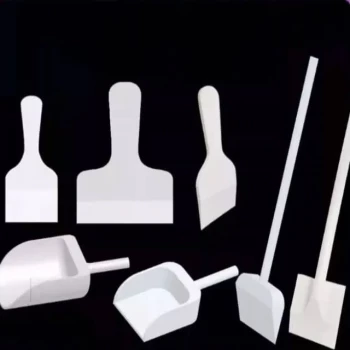
- Customizable PTFE Scrapers and Shovels for Demanding Applications
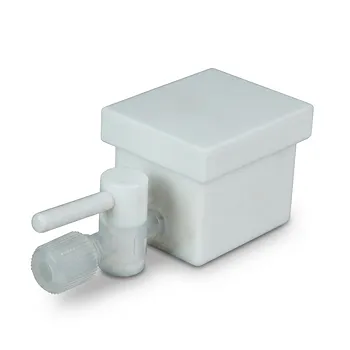
- Custom PTFE Corrosion Resistant Insulating Electrophoresis Reaction Cell with Septum and Valves for Low Background Trace Analysis
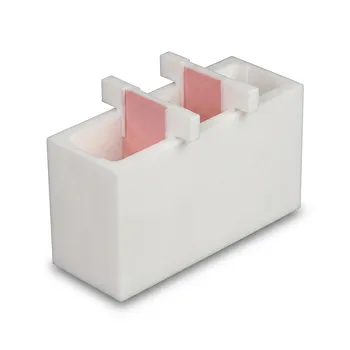
- Square PTFE Electrochemical Cell for Silicon Wafer Processing and Hydrofluoric Acid Resistance in Semiconductor and New Energy Research
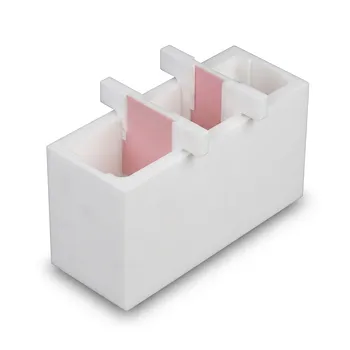
- Corrosion Resistant PTFE Electrochemical Cell for New Energy Research Inert Insulating Customizable Lab Reaction Vessel
- Acid Resistant PTFE Button Cell Battery Test Fixture Customizable Machining High Purity Electrochemical Testing Clamp
People Also Ask
- Why are PTFE shovels considered cost-effective? Maximize ROI with Superior Durability
- What are some specific applications of PTFE shovels in the laboratory? Ensure Sample Purity and Safety
- What are the key properties that make PTFE shovels ideal for laboratory use? Ensure Sample Integrity with Chemically Inert Tools
- What are the advantages of PTFE shovels in terms of chemical resistance? Unmatched Inertness for Handling Corrosives
- How does the durability of PTFE shovels compare to plastic shovels? Discover the Superior Choice for Harsh Conditions