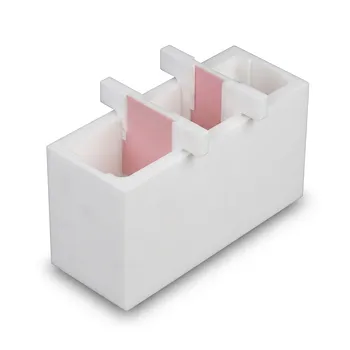
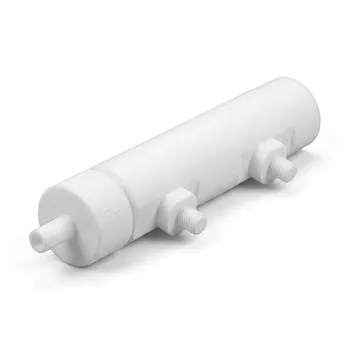
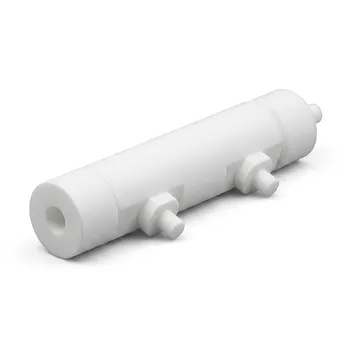
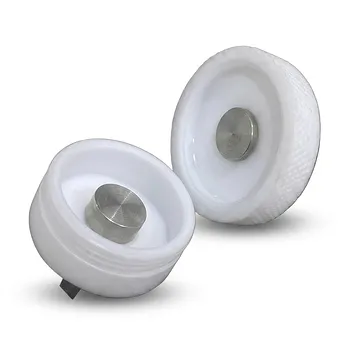
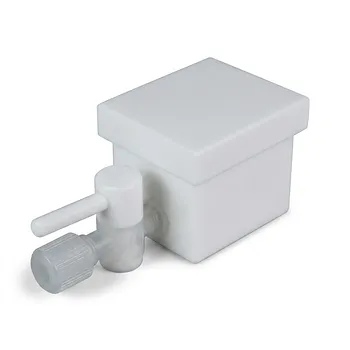
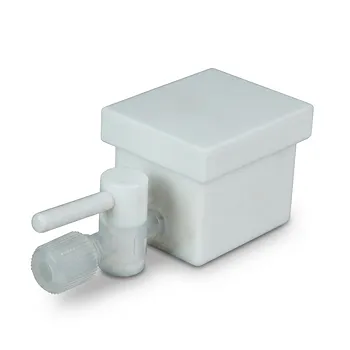
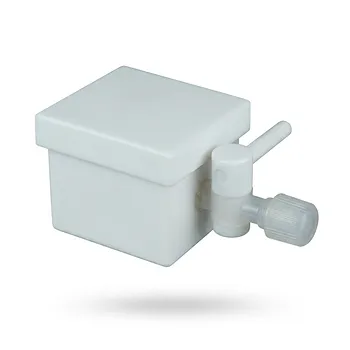
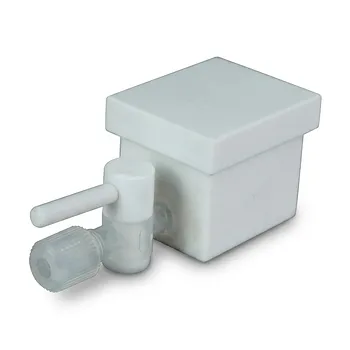
High-precision electrochemical testing cells serve as the foundational controlled environment for isolating and measuring the intrinsic properties of battery materials. These specialized cells provide a standardized platform that prevents electrolyte leakage and atmospheric interference through advanced sealing and corrosion-resistant materials like PTFE and PFA. By ensuring fixed geometry and stable physical contact, they allow researchers to capture accurate, reproducible data during rigorous long-term cycling and complex electrochemical analysis.
High-precision testing cells eliminate external variables—such as atmospheric contamination, fluctuating contact pressure, and uneven electrode spacing—to ensure that recorded data reflects the true electrochemical performance of the active material rather than the limitations of the testing hardware.
Creating a Standardized and Isolated Environment
Preventing Atmospheric Interference and Leakage
High-precision cells utilize high-performance polymer sealing components to effectively isolate the internal reaction from the external atmosphere. This prevents the entry of moisture or oxygen, which could trigger side reactions and skew the data of sensitive battery chemistries.
Ensuring Chemical and Dielectric Inertness
The use of fluoropolymers like PTFE and PFA in cell fixtures provides exceptional resistance to corrosive electrolytes and severe electrochemical potential fluctuations. These materials are chosen for their high-insulation properties, ensuring that collected performance data is derived solely from the active materials rather than the testing apparatus.
Ensuring Structural and Signal Integrity
Maintaining Fixed Electrode Spacing
Precision manufacturing ensures that the distance between the working, counter, and reference electrodes remains constant and reproducible. This fixed geometry is critical for obtaining consistent results in tests like cyclic voltammetry and electrochemical impedance spectroscopy (EIS).
Uniform Current and Electrolyte Distribution
A high-precision cell design promotes uniform electrolyte distribution across the electrode surface. This leads to a more even current distribution, which is essential for capturing accurate charge-discharge curves and preventing "hot spots" within the cell.
Minimizing Contact Resistance and Signal Noise
Specialized fixtures apply uniform and constant contact pressure to the test samples. This minimizes voltage drops and thermal effects caused by unstable physical connections, allowing the system to detect even weak electrochemical signals without interference.
Managing Mechanical and Thermal Stress
Compensating for Thermal Contraction
In sub-zero temperature testing, materials naturally contract, which can lead to a significant increase in contact resistance. High-quality fixtures are designed to effectively compensate for this contraction, maintaining stable electrical contact even in extreme conditions.
Stability During Long-Term Cycling
The mechanical robustness of high-precision cells allows for the stable recording of characteristics over hundreds or thousands of cycles. This reliability is vital for evaluating the long-term degradation and cycle life of new battery materials.
Understanding the Trade-offs and Pitfalls
Material Limitations and Cost
While PTFE and PFA offer superior chemical resistance, they are significantly more expensive and harder to machine than standard plastics. Choosing lower-grade materials to save costs can lead to electrolyte absorption or structural deformation over time, compromising data integrity.
Assembly Sensitivity
High-precision cells require meticulous assembly to maintain their performance benefits. Even a minor misalignment or a speck of dust on a sealing surface can lead to micro-leaks or uneven pressure distribution, negating the advantages of the high-precision design.
Making the Right Choice for Your Goal
How to Apply This to Your Project
- If your primary focus is long-term cycle life: Prioritize cells with high-performance fluoropolymer seals to prevent electrolyte evaporation and atmospheric contamination over months of testing.
- If your primary focus is precision kinetic studies (EIS/CV): Select fixtures that guarantee fixed electrode spacing and utilize shielded materials to isolate interference from weak electrochemical signals.
- If your primary focus is extreme temperature performance: Invest in fixtures designed with thermal compensation mechanisms to ensure stable contact pressure during heating or cooling phases.
Ultimately, high-precision electrochemical cells transition battery testing from a simple "pass/fail" observation into a rigorous scientific process capable of yielding definitive material insights.
Summary Table:
| Key Feature | Benefit for Performance Evaluation | Technical Mechanism |
|---|---|---|
| Atmospheric Isolation | Prevents side reactions from moisture/oxygen | High-performance PTFE/PFA seals |
| Fixed Geometry | Ensures reproducible EIS and CV data | Precision-machined electrode spacing |
| Signal Integrity | Minimizes voltage drops and contact noise | Uniform contact pressure fixtures |
| Thermal Stability | Maintains contact at extreme temperatures | Mechanical thermal compensation |
| Chemical Inertness | Protects data from electrolyte corrosion | High-purity fluoropolymer construction |
Elevate your battery research with KINTEK’s high-performance fluoropolymer solutions. From everyday basics like PFA beakers and reagent bottles to specialized electrochemical cells and battery testing fixtures, we provide the precision your lab demands. Our comprehensive range includes high-purity fluid transfer components, sample prep tools, and advanced reaction apparatus such as hydrothermal liners and microchannel reactors.
Backed by end-to-end custom CNC fabrication, KINTEK delivers everything from high-volume consumables to complex, bespoke laboratory setups crafted exclusively from high-performance PTFE and PFA. Contact KINTEK today to discuss your custom project and experience the value of absolute material focus in your next breakthrough.
References
- Jusheng Bao, You Liu. Hydrothermal Synthesis of Single‐Crystal Europium Tungstate Hydroxide Nanobelts for Enhanced Humidity Sensing. DOI: 10.1002/asia.202401933
This article is also based on technical information from Kintek Knowledge Base .
Related Products
- Acid Resistant PTFE Button Cell Battery Test Fixture Customizable Machining High Purity Electrochemical Testing Clamp
- Corrosion Resistant PTFE Electrochemical Cell for New Energy Research Inert Insulating Customizable Lab Reaction Vessel
- High Purity Custom PTFE Reaction Cell Electrolytic Tank for Semiconductor and Polysilicon Industrial Applications
- Square PTFE Electrochemical Cell for Silicon Wafer Processing and Hydrofluoric Acid Resistance in Semiconductor and New Energy Research
- Custom PTFE Electrolytic Cell Corrosion Resistant Low Background Reaction Vessel with Inlet Outlet Ports
People Also Ask
- How does the chemical inertness of PTFE benefit laboratory-scale battery testing? Ensure high-purity research results.
- In what ways do PTFE battery testing fixtures enhance laboratory throughput and reliability? Maximize Research Efficiency
- In what industrial manufacturing contexts are PTFE battery clamps or fixtures utilized? Optimize Battery Production.
- What is the thermal operating range for PTFE battery clamps in electrochemical research? Stability from -200°C to +260°C
- What are the primary functions and material compositions of PTFE battery clamps? Ensure Precision & Chemical Resistance