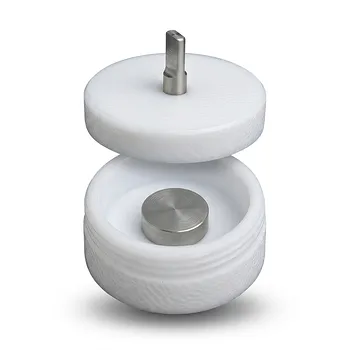
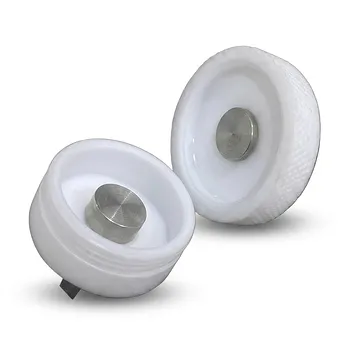
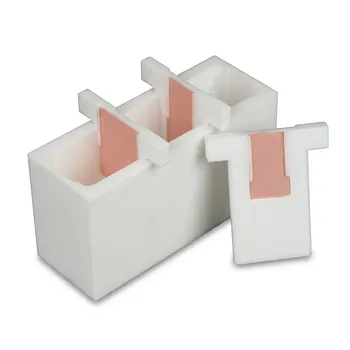
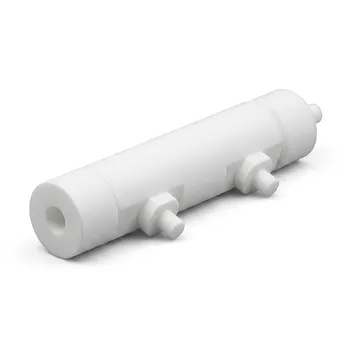
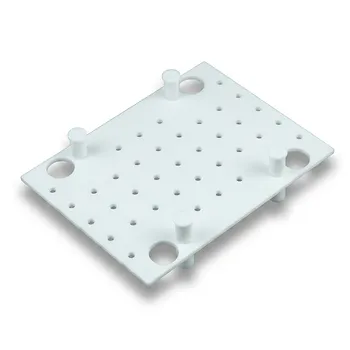
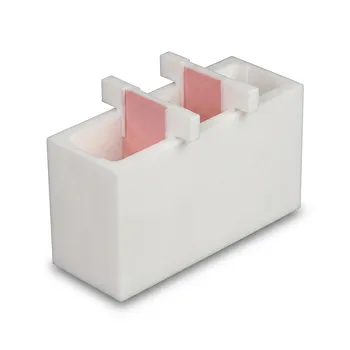
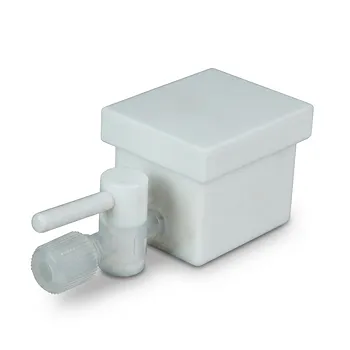
PTFE battery clamps and fixtures are essential components in advanced industrial manufacturing, primarily utilized in dry-electrode calendering lines, electrode lamination stations, and quality-control validation units. These specialized tools provide the necessary chemical inertness and thermal stability required to handle the volatile environments of modern lithium-ion and solid-state battery production.
PTFE is the material of choice for battery manufacturing fixtures because it prevents equipment corrosion and product contamination in high-temperature, chemically aggressive environments. It effectively bridges the gap between mechanical stability and total chemical resistance.
Deployment in Battery Production Lines
Dry-Electrode Calendering
In solvent-free battery manufacturing, PTFE fixtures are used within dry-electrode calendering lines. These processes involve high-shear forces and elevated temperatures where standard polymers would degrade or stick to the electrode material.
Electrode Lamination Stations
During the assembly of battery cells, electrode lamination stations utilize PTFE clamps to hold delicate layers in place. The material's non-stick properties ensure that active materials are not pulled away from the current collector during the bonding process.
Quality-Control Validation
In validation and testing stations, PTFE fixtures provide a neutral environment for electrical and chemical testing. Because PTFE does not react with electrolyte vapors or residual acids, it ensures that test results are not skewed by "leaching" from the fixture itself.
The Technical Advantage of PTFE
Resistance to Electrolyte Corrosivity
Battery assembly areas are often permeated with electrolyte vapors and residual acids that rapidly corrode metallic or standard plastic components. PTFE’s universal chemical resistance protects the underlying equipment, significantly extending service intervals and reducing maintenance costs.
High-Temperature Stability
Industrial battery manufacturing often requires processes that reach temperatures up to 500°F (260°C). PTFE maintains its structural integrity and lubricating properties at these extremes, where other materials would soften or release outgassed contaminants.
Low Friction and Non-Stick Surface
The low coefficient of friction inherent to PTFE prevents the buildup of active battery materials on the clamps. This "self-cleaning" nature is vital for maintaining high throughput and preventing cross-contamination between different production batches.
Understanding the Trade-offs
Mechanical "Cold Flow" or Creep
While chemically resilient, PTFE is prone to "cold flow," meaning it can slowly deform under constant heavy pressure. Design engineers must often use reinforced PTFE (such as glass-filled grades) or steel-core designs when high mechanical clamping force is required.
Structural Rigidity Limits
PTFE is softer than many engineering plastics like PEEK or Ultem. In high-precision robotic assembly, the lack of absolute rigidity may require hybrid fixture designs where PTFE serves only as the contact interface rather than the entire structural body.
Initial Cost vs. Lifecycle Value
The upfront cost of PTFE fixtures is higher than standard polymers or treated steels. However, the reduction in downtime caused by corrosion-related failures typically results in a lower total cost of ownership over the production lifecycle.
Making the Right Choice for Your Goal
When integrating PTFE components into your manufacturing line, consider the specific environmental stressors of your process.
- If your primary focus is Solvent-Free Processing: Utilize pure PTFE or PTFE-coated fixtures in calendering lines to handle high-shear conditions without material adhesion.
- If your primary focus is Corrosion Mitigation: Deploy PTFE clamps in electrolyte filling and aging rooms to prevent acid vapor from degrading your automated assembly hardware.
- If your primary focus is High-Precision Measurement: Use PTFE-lined validation fixtures to ensure no chemical interference occurs during sensitive quality-control electrical testing.
By strategically applying PTFE’s unique properties, manufacturers can ensure a cleaner, more durable, and highly efficient battery production environment.
Summary Table:
| Industrial Context | Primary Function | Key PTFE Technical Advantage |
|---|---|---|
| Dry-Electrode Calendering | High-shear, solvent-free processing | Thermal stability and non-stick surface |
| Electrode Lamination | Precise layer positioning | Prevents material adhesion and damage |
| Quality-Control Validation | Electrical and chemical testing | Universal chemical inertness (no leaching) |
| Electrolyte Handling | Corrosion mitigation in filling rooms | Resistance to electrolyte vapors and acids |
Elevate Your Production with KINTEK’s Custom Fluoropolymer Solutions
Is your battery manufacturing process facing challenges with corrosion or material contamination? KINTEK specializes in high-performance fluoropolymer engineering, offering a comprehensive range of PTFE and PFA laboratory supplies and industrial components. From essential labware like beakers, tubing, and filters to advanced battery testing fixtures, electrode accessories, and custom CNC-machined parts, we provide the chemical resistance and thermal stability your facility demands.
Whether you require standard high-purity consumables or bespoke, complex reaction apparatus like microchannel reactors and battery clamps, KINTEK’s end-to-end fabrication ensures absolute precision.
Ready to optimize your workflow with durable, non-stick, and chemically inert equipment? Contact KINTEK today for a custom consultation!
Related Products
- Acid Resistant PTFE Button Cell Battery Test Fixture Customizable Machining High Purity Electrochemical Testing Clamp
- Corrosion Resistant PTFE Coin Cell Battery Testing Clamps and Acid Proof Custom Fluoropolymer Battery Fixtures
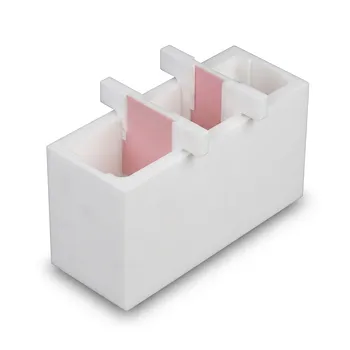
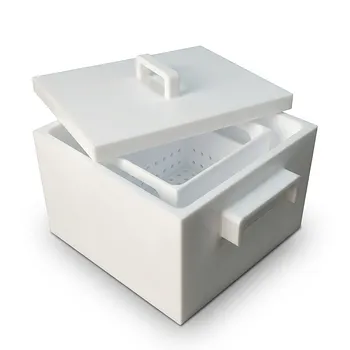
- White PTFE Electrolytic Cell with Movable Slider and Insulated Lid for Fluorine Corrosion Resistance
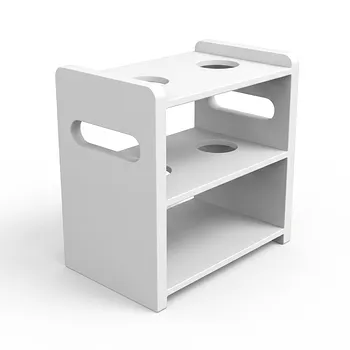
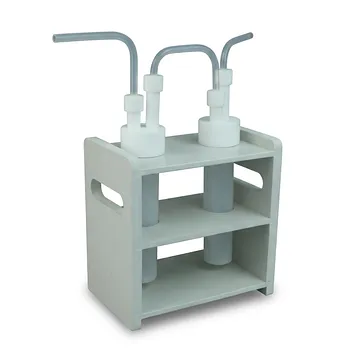
- Custom PTFE Acid Resistant Support Rack for PFA Hydrogen Absorption Systems Multi Hole Configurations
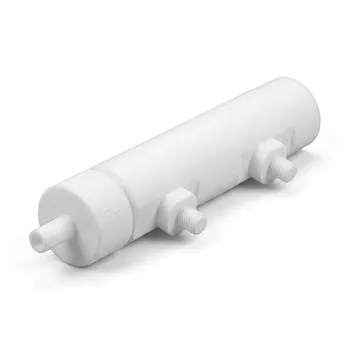
- Custom PTFE Electrolytic Cell Corrosion Resistant Low Background Reaction Vessel with Inlet Outlet Ports
People Also Ask
- How does the chemical inertness of PTFE benefit laboratory-scale battery testing? Ensure high-purity research results.
- In what ways do PTFE battery testing fixtures enhance laboratory throughput and reliability? Maximize Research Efficiency
- What is the thermal operating range for PTFE battery clamps in electrochemical research? Stability from -200°C to +260°C
- What are the primary functions and material compositions of PTFE battery clamps? Ensure Precision & Chemical Resistance
- What are the electrical insulation and signal integrity advantages of using PTFE battery clamps? Ensure Data Accuracy