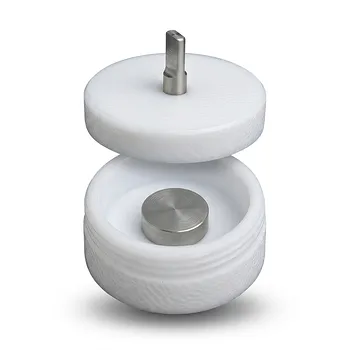
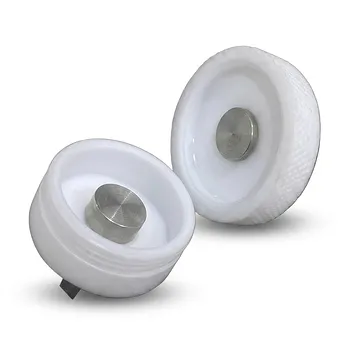
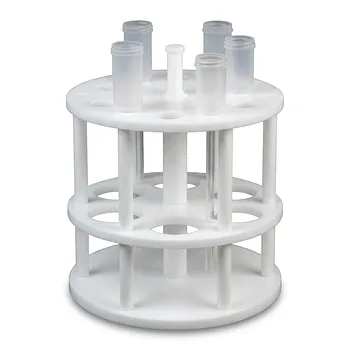
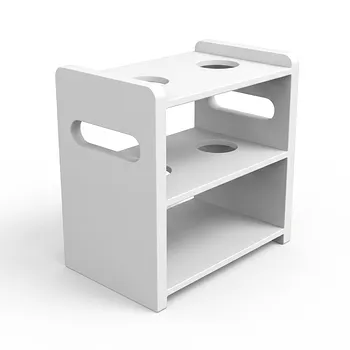
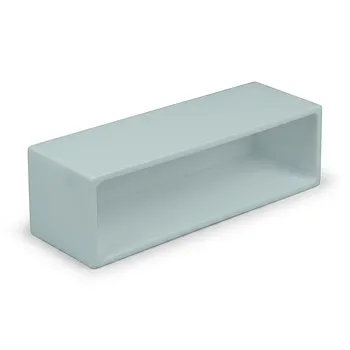
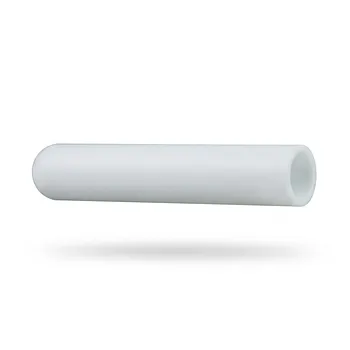
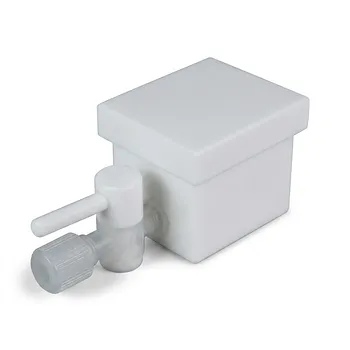
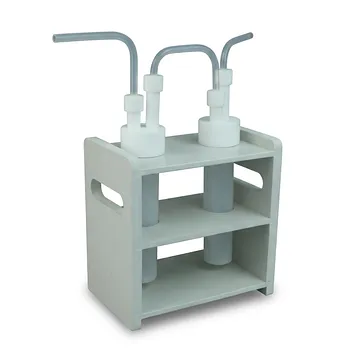
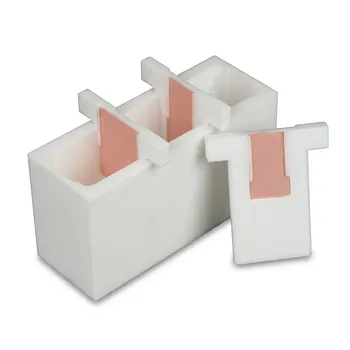
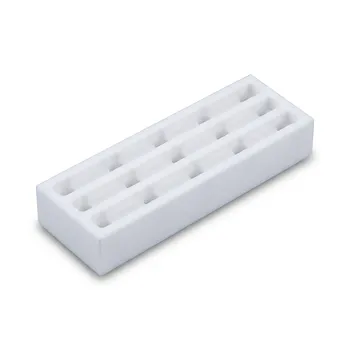
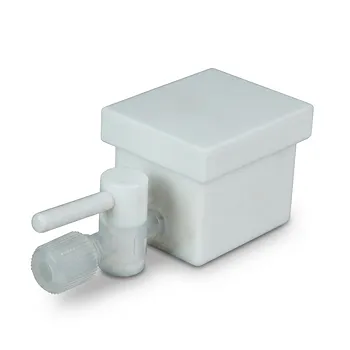
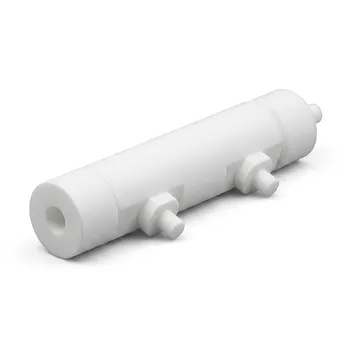
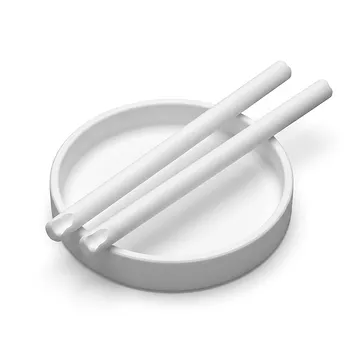
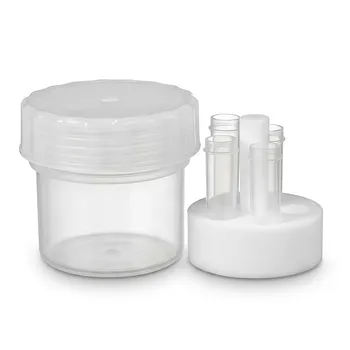
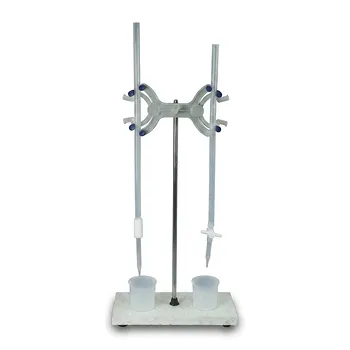
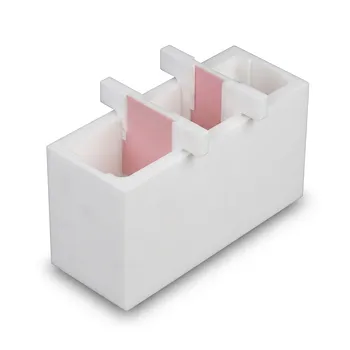
PTFE battery testing fixtures optimize laboratory operations by providing a chemically inert and electrically insulated environment that prevents data-distorting interference. These fixtures, including multi-cavity molds and alignment sleeves, utilize PTFE’s low surface energy and high dielectric strength to ensure that measurements reflect the true electrochemical performance of the cell rather than the testing hardware. By minimizing sample handling damage and simplifying cleaning protocols, PTFE significantly reduces experimental downtime and improves the repeatability of high-precision battery research.
Core Takeaway: PTFE fixtures serve as the gold standard for battery testing because they eliminate the "noise" of chemical corrosion and electrical leakage, allowing researchers to achieve higher sample volumes with uncompromised data integrity.
Enhancing Reliability through Material Integrity
Eliminating Parasitic Currents and Interference
PTFE is a superior non-conductive material that provides excellent electrical insulation between electrodes and testing hardware. This prevents the formation of parasitic currents, ensuring that the recorded electrochemical data accurately represents the battery’s internal chemistry.
Chemical Inertness Against Aggressive Electrolytes
These fixtures withstand exposure to highly aggressive substances, including sulfuric acid, organic carbonate solvents, and ionic liquids. Because the material does not swell or leach ions, it prevents sample contamination and ensures the long-term stability of reference measurements during continuous testing.
Dimensional Stability and Precision Sealing
PTFE maintains its dimensional stability across a wide range of testing temperatures, ensuring that precise tolerances are preserved. When used as sealing gaskets, the material prevents internal leaks and external seepage, which is critical for maintaining a stable environment in flow batteries and high-pressure pumping setups.
Boosting Throughput via Surface Properties
Accelerating Sample Loading and Unloading
The low coefficient of friction and low surface energy of PTFE create a non-stick surface that facilitates the rapid insertion of delicate electrodes. This reduces the risk of mechanical damage to thin foils, rods, or wires, allowing researchers to transition between test batches more quickly.
Minimizing Cleaning Downtime and Cross-Contamination
The hydrophobic nature of PTFE prevents the adhesion of active material powders and electrolyte residues. This simplifies the cleaning process, enabling a residue-free transition between different chemistries and drastically reducing the risk of cross-contamination between test cycles.
Precision Machining for Workflow Consistency
Custom fixtures produced through high-precision CNC machining ensure a perfect fit with specific electrode dimensions. This reduces contact resistance and setup time, allowing for high-precision evaluations that remain consistent even during long-term charge-discharge cycle testing.
Understanding the Trade-offs
Mechanical Limitations and Cold Flow
While PTFE is exceptionally stable chemically, it is a relatively soft polymer compared to metals or ceramics. Under extreme or sustained mechanical pressure, it can experience "cold flow" or creep, which may necessitate the use of performance-enhancing fillers to maintain structural integrity in high-load applications.
Thermal Conductivity Considerations
PTFE is an effective thermal insulator, which can be a disadvantage if a test requires rapid heat dissipation from the battery cell. In high-power testing scenarios, the fixture may retain heat, potentially affecting the temperature-dependent electrochemical results if not properly accounted for in the experimental design.
Making the Right Choice for Your Goal
How to Apply This to Your Project
- If your primary focus is long-term cycle stability: Prioritize CNC-machined PTFE fixtures with integrated sealing gaskets to prevent electrolyte evaporation and ensure consistent contact resistance over months of testing.
- If your primary focus is high-volume material screening: Utilize multi-cavity PTFE groove molds to take advantage of the non-stick surface, which allows for the fastest possible cleaning and sample swap-out times.
- If your primary focus is testing aggressive new chemistries: Opt for pure, unfilled PTFE to ensure maximum chemical resistance against unknown reactive species or highly acidic environments.
By integrating PTFE fixtures into your laboratory workflow, you transform the testing environment from a potential source of error into a controlled, high-efficiency platform for discovery.
Summary Table:
| Feature | Benefit | Laboratory Impact |
|---|---|---|
| Chemical Inertness | Resists aggressive electrolytes & solvents | Prevents sample contamination |
| Electrical Insulation | Eliminates parasitic currents & interference | Ensures high data integrity |
| Non-stick Surface | Reduces residue adhesion & simplifies cleaning | Minimizes downtime between tests |
| Precision Machining | Perfect fit for specific electrode dimensions | Maintains consistent contact resistance |
| Dimensional Stability | Reliable sealing and component tolerances | Prevents leaks in flow-cell setups |
Elevate your laboratory's precision and efficiency with KINTEK, your premier partner for high-performance fluoropolymer solutions. From everyday basic labware such as beakers, measuring cylinders, crucibles, and reagent bottles, to high-purity trace analysis instruments and cleaning tanks, we provide the essential tools for modern science. Our expertise extends to comprehensive fluid transfer components (tubing, fittings, valves), sample prep and filtration tools (filters, pipettes, spatulas), and general consumables like stirring bars and gaskets.
For advanced researchers, KINTEK specializes in derivative and reaction apparatus, including standard or custom electrochemical cells, battery testing fixtures, and hydrothermal synthesis liners. All our products are crafted from premium PTFE and PFA, backed by end-to-end custom CNC fabrication to deliver everything from complex non-standard machined parts to high-volume orders.
Ready to transform your research workflow? Contact us today to discover how our bespoke fluoropolymer solutions can provide the reliability your data deserves!
Related Products
- Acid Resistant PTFE Button Cell Battery Test Fixture Customizable Machining High Purity Electrochemical Testing Clamp
- Corrosion Resistant PTFE Coin Cell Battery Testing Clamps and Acid Proof Custom Fluoropolymer Battery Fixtures
- Custom PFA Microcolumn Racks and PTFE Machined Low Background Corrosion Resistant Laboratory Fixtures
- Custom PTFE Acid Resistant Support Rack for PFA Hydrogen Absorption Systems Multi Hole Configurations
- Custom PTFE Reaction Box Opaque White Square Electrochemical Cell Tank
People Also Ask
- How does the chemical inertness of PTFE benefit laboratory-scale battery testing? Ensure high-purity research results.
- In what industrial manufacturing contexts are PTFE battery clamps or fixtures utilized? Optimize Battery Production.
- What is the thermal operating range for PTFE battery clamps in electrochemical research? Stability from -200°C to +260°C
- What are the primary functions and material compositions of PTFE battery clamps? Ensure Precision & Chemical Resistance
- What are the electrical insulation and signal integrity advantages of using PTFE battery clamps? Ensure Data Accuracy