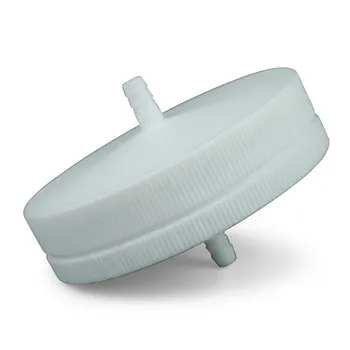
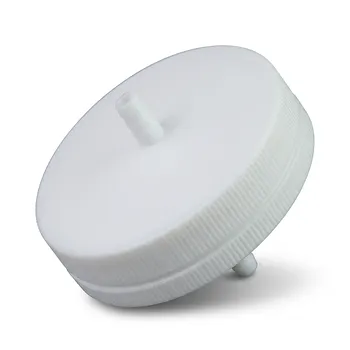
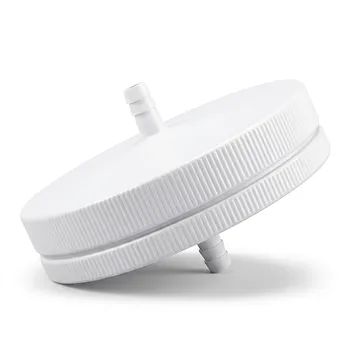
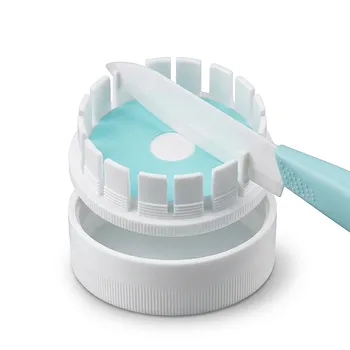
PTFE membranes utilize a multimodal filtration approach, capturing particles through physical sieving, inertial impaction, interception, and Brownian diffusion. These mechanisms allow the membrane to effectively trap particles ranging from large debris to ultrafine aerosols smaller than 0.1 µm, making them a versatile tool in both liquid and gas phase filtration.
PTFE membranes provide high-efficiency filtration by combining mechanical barriers with fluid dynamic interactions. Their success stems from a precise fibril network that captures particles of varying sizes while maintaining extreme chemical stability and low contamination levels.
The Physical Mechanisms of Particle Capture
Surface Filtration and the Sieving Effect
The most fundamental mechanism is sieving, where the membrane acts as a physical barrier. Particles larger than the defined pore diameter are unable to pass and are retained on the membrane's surface.
This mechanism is highly predictable and relies on the consistency and accuracy of the pore size distribution. Because PTFE membranes are manufactured with high precision, they provide the reproducibility required for sensitive laboratory tasks.
Inertial Impaction and Interception in Gas Streams
For gas and aerosol filtration, particles do not always follow the fluid streamlines. Inertial impaction occurs when a particle's mass causes it to deviate from a curving streamline and collide directly with a membrane fibril.
Interception happens when a particle follows a streamline but passes close enough to a fibril that its edge makes contact. These mechanisms are particularly effective for mid-sized particles that are too small to be sieved but too large for significant diffusion.
Brownian Diffusion for Ultrafine Particles
Ultrafine particles, typically those smaller than 0.1 µm, are captured through Brownian diffusion. These tiny particles move in random thermal patterns rather than straight lines.
This erratic motion significantly increases the probability that a particle will collide with the membrane’s extensive fibril network. This allows PTFE membranes to capture contaminants that are technically smaller than the rated pore size.
Material Advantages in Analytical Environments
Chemical Stability and Trace Analysis
PTFE is prized for its extreme chemical stability and natural hydrophobicity. In trace analysis, these properties ensure that the membrane can withstand strong acids during digestion without releasing metal impurities or organic leachables.
The low metal background of PTFE is critical for heavy metal analysis. It ensures that the heavy metal components of captured atmospheric particulate matter (PM) remain intact and uncontaminated for accurate measurement.
Resistance to Corrosive Solvents
When filtering strong polar solvents or highly corrosive samples, standard membrane materials often degrade. PTFE components solve this by resisting material loss and chemical interference.
This durability ensures the reliability of front-end processing in analytical testing. It allows for the efficient interception of impurities without compromising the integrity of the filtrate.
Understanding the Trade-offs
The Impact of Hydrophobicity
The natural hydrophobicity of PTFE is a double-edged sword. While it prevents moisture from clogging air filters and resists aqueous corrosion, it requires pre-wetting with alcohols (like ethanol or IPA) before filtering water-based liquids.
Pressure Drop and Loading Capacity
Because PTFE membranes often act as surface filters, they can reach their loading capacity faster than depth filters. As particles accumulate on the surface, the pressure drop across the membrane increases, which may require more frequent replacement in high-sediment applications.
How to Apply This to Your Project
Making the Right Choice for Your Goal
- If your primary focus is Trace Metal Analysis: Utilize PTFE for its low metal background and resistance to acid digestion to ensure sample purity.
- If your primary focus is Aerosol or Air Monitoring: Rely on the combination of impaction and Brownian diffusion to capture a wide range of particulate matter sizes.
- If your primary focus is Corrosive Solvent Filtration: Choose PTFE to prevent membrane degradation and avoid introducing leachables into your filtrate.
- If your primary focus is Aqueous Liquid Filtration: Ensure you select a "hydrophilic-treated" PTFE or factor in a pre-wetting step to overcome the material's natural water resistance.
By matching the specific capture mechanism of PTFE to your fluid dynamics and chemical environment, you can achieve world-class filtration precision and reliability.
Summary Table:
| Filtration Mechanism | Target Particle Type/Size | Primary Advantage |
|---|---|---|
| Sieving | Particles > Pore Diameter | Predictable physical barrier and retention |
| Inertial Impaction | Mid-sized (Gas Streams) | Captures mass-heavy particles in streamlines |
| Interception | Mid-sized (Gas/Liquid) | Traps particles that contact membrane fibrils |
| Brownian Diffusion | Ultrafine (< 0.1 µm) | Captures tiny particles via random thermal motion |
| Chemical Stability | Corrosive/Acidic Samples | Ensures low metal background for trace analysis |
Elevate Your Laboratory Precision with KINTEK’s Fluoropolymer Expertise
Achieving world-class filtration and trace analysis requires materials that offer zero compromise on purity and durability. KINTEK specializes in high-performance PTFE and PFA laboratory supplies, designed to withstand the most corrosive environments while ensuring the integrity of your results.
From everyday essentials like beakers, reagent bottles, and filtration tools to advanced components like high-purity trace analysis instruments, PTFE membranes, and fluid transfer tubing, we provide the high-performance tools your lab demands. Our expertise extends to custom CNC fabrication, allowing us to deliver everything from complex non-standard machined parts to bespoke electrochemical cells and microwave digestion vessels.
Whether you are performing heavy metal analysis or filtering aggressive solvents, KINTEK’s exclusive focus on fluoropolymers ensures low contamination and maximum reliability.
Need a custom solution or high-volume lab supplies? Contact KINTEK today to discuss your project requirements!
Related Products
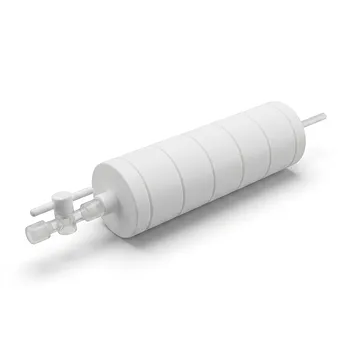
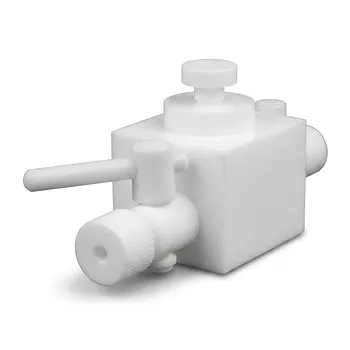
- PTFE Membrane Filter Holder for Aerosol Environmental Monitoring and Low Concentration Particulate Matter Sampling Chemical Resistant Air Quality Analysis Component
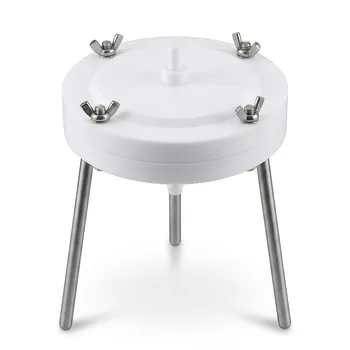
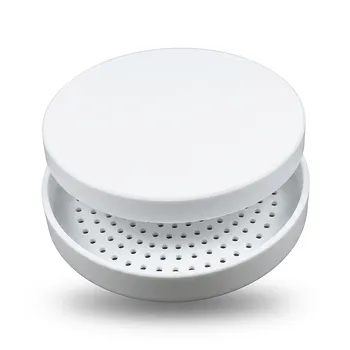
- PTFE Filter Membrane Holder 47mm Leak Proof Corrosion Resistant Environmental Sampling Unit Customizable
- PTFE Filter Membrane Holder for Hydrogen Chloride and Water Filtration 90mm Environmental Sampling Clamp Customizable
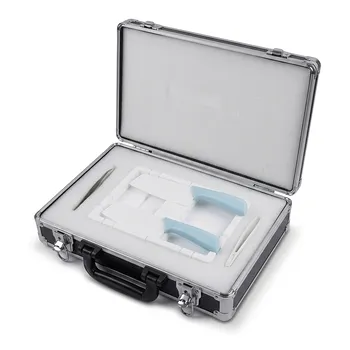
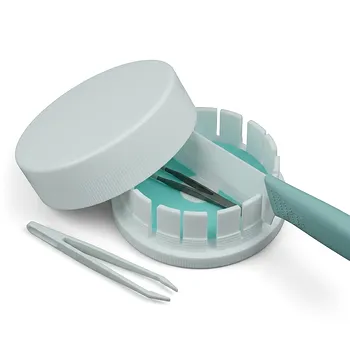
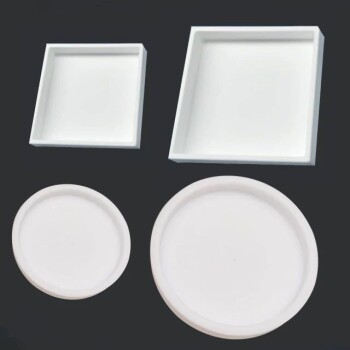
- High Purity PTFE Filter Membrane Cutter with Ceramic Blade for PM2.5 Analysis and Customizable Laboratory Filter Paper Splitter
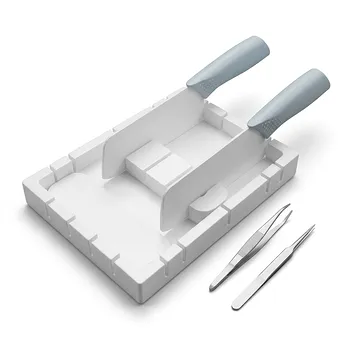
- High Purity PTFE Square Membrane Cutter Equipartition Device for Trace Analysis and Disease Control Centers Clean Non Stick No Leaching
People Also Ask
- How does the inherent hydrophobicity of PTFE filter membranes affect liquid and gas separation? Optimize Performance
- What are the structural characteristics and manufacturing principles of Polytetrafluoroethylene (PTFE) filter membranes?
- What is the thermal stability range for PTFE filter membranes? Master Extremes from -200°C to +260°C
- What is the chemical composition and temperature resistance of PTFE filter membranes? Essential Specs for Labs
- What are the performance advantages of PTFE filter membranes vs depth filters? Boosting Lab Purity and Efficiency