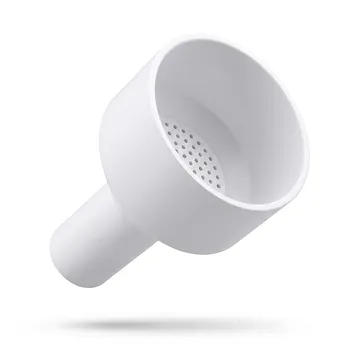
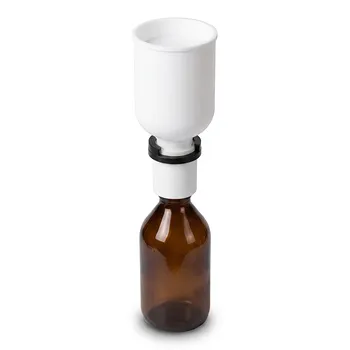
PTFE filter membranes are defined by their extreme chemical inertness and wide thermal operating range. These membranes are composed of a linear fluoropolymer with repeating –CF2–CF2– units, held together by exceptionally strong carbon-fluorine bonds. They typically operate within a continuous service temperature range of –200 °C to +260 °C, with the ability to withstand short-term exposures up to 300 °C before decomposition begins.
The central takeaway for PTFE membranes is their status as a "universal" filter material. Their unique molecular structure provides near-total resistance to aggressive chemicals and extreme temperatures, making them the gold standard for high-purity and corrosive applications.
The Molecular Architecture of PTFE
The Repeating –CF2– Unit
PTFE, or Polytetrafluoroethylene, is a linear fluoropolymer. Its structure consists of a long chain of carbon atoms, where every available bond is saturated by fluorine atoms.
The Strength of Carbon-Fluorine Bonds
The carbon-fluorine bond is one of the strongest in organic chemistry. This creates a low surface energy and high molecular stability, which prevents other chemicals from reacting with or adhering to the membrane surface.
Purity and Non-Contamination
Because of its chemical inertness, PTFE does not leach contaminants into the filtrate. Its non-porous surface minimizes absorption, ensuring that residues are not retained and cross-contamination is avoided in sensitive laboratory settings.
Thermal Limits and Stability
Continuous Service Range
PTFE maintains its physical properties across a massive temperature gradient, specifically from –200 °C to +260 °C (approximately 500 °F). This stability allows it to be used in cryogenic applications as well as high-heat industrial processes.
Short-Term Excursion and Sterilization
The material can handle short-term exposure up to 300 °C. Because it is autoclavable, it is frequently used in medical and biological applications where repeated steam sterilization is required.
Structural Integrity at Extremes
Unlike many plastics that become brittle in the cold or soft in the heat, PTFE remains functional. It is unaffected by lubricants, hydraulic fluids, and even rocket fuel, ensuring performance in the most demanding environments.
Chemical Performance and Compatibility
Resistance to Aggressive Media
PTFE is virtually unaffected by most corrosive liquids, vapors, and gases. It shows outstanding performance against sulfuric acid, nitric acid, aqua regia, and strong oxidants.
Solvent Compatibility
The membrane is stable in a wide array of organic solvents, including acetone and chloroform. This makes it the preferred choice for HPLC (High-Performance Liquid Chromatography) solvent filtration.
Understanding the Trade-offs
Specific Chemical Incompatibilities
Despite its "universal" reputation, PTFE is not invincible. It is not resistant to molten alkali metals (such as sodium or potassium) or elemental fluorine gas, especially at elevated temperatures and pressures.
Reaction with Specific Compounds
Certain aromatic categories and extremely potent oxidizers can cause mild reactions or degradation. While rare, these exceptions must be considered when filtering highly specialized chemical compounds.
Physical Limitations
PTFE is naturally hydrophobic, meaning it repels water. While this is an advantage for gas filtration, it requires "pre-wetting" with an organic solvent (like ethanol) before it can be used to filter aqueous solutions.
How to Apply This to Your Project
Choosing the Right Membrane
To ensure the longevity of your filtration system, align the membrane choice with your specific environmental stressors.
- If your primary focus is High-Temperature Sterilization: Utilize PTFE's ability to withstand 260°C and its autoclavable nature to ensure repeated use without structural failure.
- If your primary focus is Corrosive Chemical Filtration: Rely on the carbon-fluorine bond stability to filter strong acids like Aqua Regia or sulfuric acid without risk of membrane dissolution.
- If your primary focus is Maintaining Sample Purity: Leverage the non-leaching and non-absorptive properties of the PTFE surface to prevent cross-contamination between batches.
By understanding these thermal and chemical boundaries, you can maximize the reliability of your filtration processes in even the most hostile environments.
Summary Table:
| Feature | Specification / Detail |
|---|---|
| Chemical Composition | Linear fluoropolymer with repeating –CF2–CF2– units |
| Operating Temperature | –200 °C to +260 °C (Continuous service) |
| Maximum Peak Temp | Up to 300 °C (Short-term exposure) |
| Chemical Resistance | Acids (Aqua Regia, Sulfuric), Solvents, Oxidants |
| Surface Property | Naturally hydrophobic, low surface energy (non-stick) |
| Compatibility Limits | Molten alkali metals, elemental fluorine gas |
Elevate Your Lab Precision with KINTEK’s Fluoropolymer Expertise
Maximize the reliability of your most demanding processes with KINTEK. As specialists in high-performance fluoropolymers, we provide an exhaustive range of laboratory solutions crafted exclusively from PTFE and PFA.
Whether you require:
- Everyday Basic Labware: Beakers, measuring cylinders, crucibles, reagent/wash bottles, and digestion tubes.
- Fluid Transfer & Sample Prep: High-purity tubing, fittings, valves, filters, pipettes, and filtration tools.
- General Consumables: Stirring bars, O-rings, gaskets, and seal tapes.
- Advanced Apparatus: Custom electrochemical cells, battery testing fixtures, and hydrothermal synthesis liners.
From high-volume orders of standard consumables to bespoke CNC-fabricated components designed for complex, non-standard setups, KINTEK delivers end-to-end excellence. Ensure total chemical inertness and thermal stability in your facility today.
Contact KINTEK for a Custom Quote
Related Products
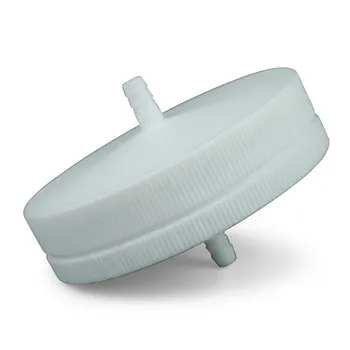
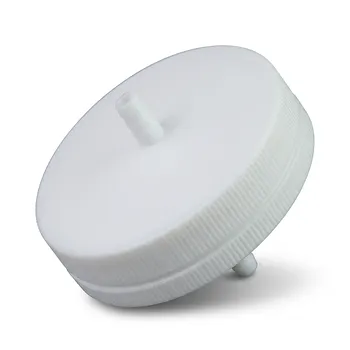
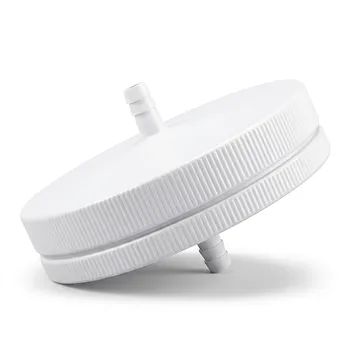
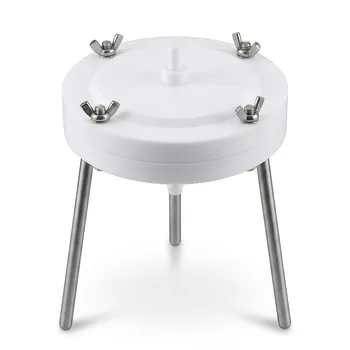
- PTFE Membrane Filter Holder for Aerosol Environmental Monitoring and Low Concentration Particulate Matter Sampling Chemical Resistant Air Quality Analysis Component
- PTFE Filter Membrane Holder 47mm Leak Proof Corrosion Resistant Environmental Sampling Unit Customizable
- PTFE Filter Membrane Holder for Hydrogen Chloride and Water Filtration 90mm Environmental Sampling Clamp Customizable
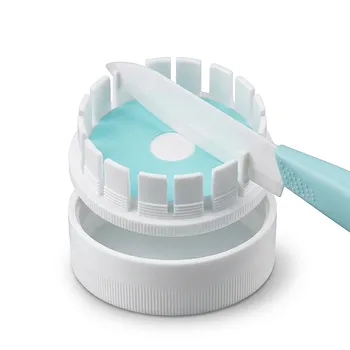
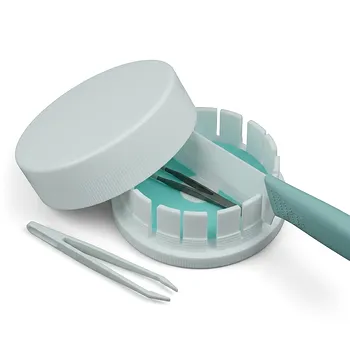
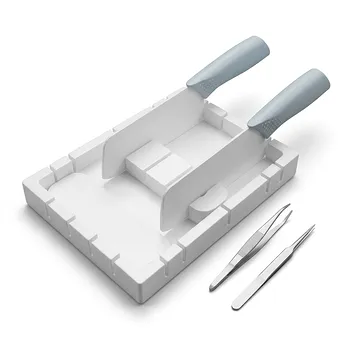
- High Purity PTFE Filter Membrane Cutter with Ceramic Blade for PM2.5 Analysis and Customizable Laboratory Filter Paper Splitter
- High Purity PTFE Circular Filter Membrane Cutter with Ceramic Blade for Trace Analysis and CDC Laboratory Sample Preparation
People Also Ask
- How does the inherent hydrophobicity of PTFE filter membranes affect liquid and gas separation? Optimize Performance
- What are the structural characteristics and manufacturing principles of Polytetrafluoroethylene (PTFE) filter membranes?
- What is the thermal stability range for PTFE filter membranes? Master Extremes from -200°C to +260°C
- What are the performance advantages of PTFE filter membranes vs depth filters? Boosting Lab Purity and Efficiency
- Why are PTFE filter membranes preferred for applications involving aggressive chemicals or high-temperature gases? Expert Guide