The efficiency of a Dye-Sensitized Solar Cell (DSSC) depends heavily on the counter electrode's ability to facilitate rapid electron transfer and catalyze the reduction of the electrolyte. To achieve high performance, the counter electrode must possess exceptional catalytic activity, high electrical conductivity, and structural compatibility with transparent conductive oxide (TCO) substrates to minimize energy losses.
The counter electrode serves as the engine for electrolyte regeneration; its effectiveness is determined by its ability to balance high-surface-area catalytic sites with low internal resistance. Utilizing advanced composites like Transition Metal Oxides on carbon nanotubes is the current gold standard for maximizing current density and fill factor.
Material Requirements for High Efficiency
Catalytic Activity for Electrolyte Regeneration
The primary role of the counter electrode (CE) is to catalyze the reduction of the oxidized species in the redox electrolyte (typically triiodide to iodide). High catalytic activity ensures that the regeneration of the dye occurs rapidly, preventing charge recombination and maintaining a high short-circuit current density ($J_{sc}$). Materials must provide a high density of active sites to lower the overpotential required for these chemical reactions to proceed.
Electrical Conductivity and Charge Transport
Excellent electrical conductivity is required to move electrons from the external circuit to the catalytic surface with minimal resistance. Low internal resistance directly improves the Fill Factor (FF) of the solar cell by reducing ohmic losses during operation. High-performance electrodes often incorporate conductive frameworks to ensure that charge transport does not become a bottleneck for the system.
Integration of Advanced Composite Materials
Modern DSSC designs favor high-performance composite materials, such as Transition Metal Oxides (TMOs) supported on multi-walled carbon nanotubes (MWCNTs). These composites combine the high catalytic performance of the oxides with the superior electrical pathways and high surface area provided by the nanotubes. This synergy significantly boosts the overall photoelectric conversion efficiency by optimizing both the chemical and electrical aspects of the electrode.
Structural and Mechanical Integrity
Compatibility with TCO Substrates
The counter electrode must be capable of being securely integrated with Transparent Conductive Oxide (TCO) substrates without damaging the underlying structure. Structural stability is critical for ensuring long-term durability, as any delamination between the catalytic material and the substrate will lead to a catastrophic drop in efficiency. Secure mechanical contact is also necessary for accurate impedance measurements, which are vital for diagnosing the cell's internal resistances.
Porosity and Effective Surface Area
The structure of the electrode material should be porous to maximize the "effective" surface area available to the electrolyte. Increased surface area allows for a greater number of reaction sites, which facilitates a faster redox cycle even when using non-precious metal catalysts. However, this porosity must be balanced with mechanical density to ensure the electrode remains robust under operational stress.
Low Impedance Requirements
The physical connection between the electrode and the measurement or load circuit must maintain very low impedance. High impedance at the connection points can cause significant voltage drops, especially when the cell is producing high current under intense illumination. Proper structural design allows the system to accurately reflect core performance indicators like series resistance and electrolyte diffusion impedance.
Understanding the Trade-offs
Cost versus Performance
While Platinum is the traditional benchmark for catalytic activity, its high cost and scarcity make it less viable for large-scale commercial applications. Carbon-based composites offer a lower-cost alternative but may require thicker layers or more complex fabrication processes to match Platinum's performance.
Stability and Chemical Corrosion
Some high-activity catalysts may be susceptible to corrosion by the electrolyte, particularly those containing aggressive iodine-based redox couples. Ensuring the material is chemically inert while remaining catalytically active is a primary challenge in material selection.
Mechanical Stress and Adhesion
Applying thick layers of composite materials to a rigid TCO substrate can lead to internal stresses that cause cracking or peeling. Thicker films provide more catalytic sites but increase the risk of mechanical failure and light shadowing if the cell architecture is not optimized.
How to Apply This to Your Project
When selecting or fabricating a counter electrode, your choice should align with the specific performance metrics you aim to optimize.
- If your primary focus is Maximum Conversion Efficiency: Utilize Transition Metal Oxide/Carbon Nanotube composites to maximize both catalytic surface area and charge transport.
- If your primary focus is Accurate Performance Characterization: Ensure low-impedance connections and secure TCO mounting to prevent voltage drops from masking the cell's true series resistance.
- If your primary focus is Commercial Scalability: Prioritize carbon-based materials or transition metal sulfides over noble metals to reduce material costs while maintaining acceptable fill factors.
By mastering the balance between catalytic kinetics and electrical resistance, you can unlock the full potential of dye-sensitized solar technology.
Summary Table:
| Requirement Type | Key Feature | Impact on Performance |
|---|---|---|
| Catalytic Activity | Rapid redox reduction (Triiodide to Iodide) | Increases Short-Circuit Current ($J_{sc}$) |
| Electrical Conductivity | Low internal ohmic resistance | Improves Fill Factor (FF) and efficiency |
| Structural Integrity | Strong TCO adhesion and high porosity | Ensures durability and maximizes reaction sites |
| Material Choice | TMO/Carbon Nanotube composites | Optimizes surface area and charge transport kinetics |
Precision Labware for Next-Generation Solar Research
Advancing Dye-Sensitized Solar Cell (DSSC) technology requires high-purity materials and precision-engineered setups. KINTEK manufactures a comprehensive range of laboratory supplies crafted from high-performance PTFE and PFA, specifically designed to withstand the demanding chemical environments of solar research.
From hydrothermal synthesis liners and microwave digestion vessels for catalyst preparation to custom electrochemical cells and battery testing fixtures, our end-to-end CNC fabrication ensures your experimental apparatus meets exact specifications. Whether you need standard labware like beakers and tubes or bespoke reaction components, KINTEK delivers the durability and purity required for high-performance fluoropolymer applications.
Empower your research with custom-engineered solutions—contact us today to explore how KINTEK can support your laboratory needs!
References
- Viraj Pasindu, Imalka Munaweera. Multifunctional transition metal oxide/graphene oxide nanocomposites for catalytic dye degradation, renewable energy, and energy storage applications. DOI: 10.1039/d5ra04806k
This article is also based on technical information from Kintek Knowledge Base .
Related Products
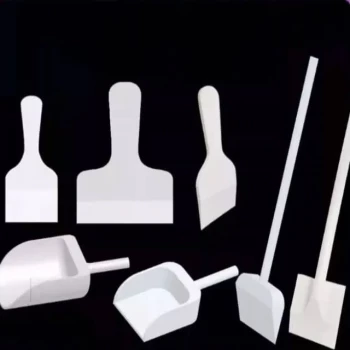
- Customizable PTFE Scrapers and Shovels for Demanding Applications
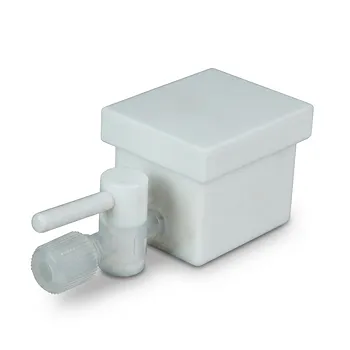
- Custom PTFE Corrosion Resistant Insulating Electrophoresis Reaction Cell with Septum and Valves for Low Background Trace Analysis
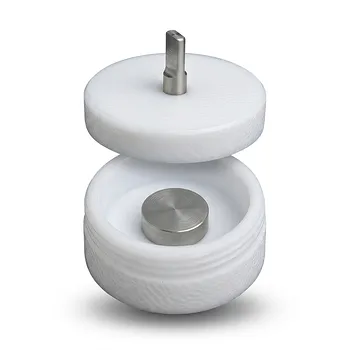
- Acid Resistant PTFE Button Cell Battery Test Fixture Customizable Machining High Purity Electrochemical Testing Clamp
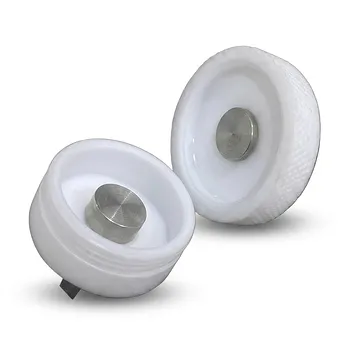
- Corrosion Resistant PTFE Coin Cell Battery Testing Clamps and Acid Proof Custom Fluoropolymer Battery Fixtures
- Custom PTFE Electrolytic Cell Corrosion Resistant Low Background Reaction Vessel with Inlet Outlet Ports
People Also Ask
- Why are PTFE shovels considered cost-effective? Maximize ROI with Superior Durability
- What are the key properties that make PTFE shovels ideal for laboratory use? Ensure Sample Integrity with Chemically Inert Tools
- What are some specific applications of PTFE shovels in the laboratory? Ensure Sample Purity and Safety
- What are the advantages of PTFE shovels in terms of chemical resistance? Unmatched Inertness for Handling Corrosives
- How does the durability of PTFE shovels compare to plastic shovels? Discover the Superior Choice for Harsh Conditions