Polytetrafluoroethylene (PTFE) offers a unique combination of low surface energy and a minimal coefficient of friction, typically ranging between 0.05 and 0.10. In a laboratory context, these properties ensure that fluids do not adhere to surfaces, enabling total sample recovery and effortless cleaning. Furthermore, for moving parts like stirrer bars and stopcocks, PTFE facilitates smooth, low-torque operation without the need for external lubricants.
PTFE’s surface properties eliminate sample loss due to adhesion and ensure the mechanical longevity of moving parts through extremely low friction. This results in higher experimental precision and reduced maintenance in demanding laboratory environments.
Enhancing Sample Integrity and Recovery
Total Liquid Transfer and Hydrophobicity
The low surface energy of PTFE creates a pronounced hydrophobic effect, meaning liquids bead up rather than spreading out. This ensures that substances do not adhere to the walls of beakers, bottles, or vials during pouring.
Because the material is inherently non-stick, researchers can achieve near-complete sample recovery. This is critical when working with expensive reagents or micro-scale volumes where every drop impacts the accuracy of the results.
Simplified Decontamination and Cleaning
The lack of surface adhesion makes PTFE tools exceptionally easy to clean. Residual chemicals or biological agents cannot easily "grip" the surface, preventing cross-contamination between experiments.
This property reduces the need for aggressive scrubbing or harsh cleaning agents. Over time, this preserves the integrity of the tool's surface, as it is less likely to develop the microscopic scratches where contaminants usually hide.
Mechanical Efficiency in Dynamic Components
Smooth Rotation and Low Torque
In dynamic laboratory components like magnetic stirrer bars, the low coefficient of friction is vital. It allows for consistent rotation and prevents the "stick-slip" behavior that can disrupt sensitive mixing processes.
For valves and stopcocks, these properties ensure leak-free operation with minimal physical effort. Users can achieve a tight seal that remains easy to turn, even under vacuum or pressure, without the risk of the joint "freezing" or seizing.
Reduced Wear and Operational Longevity
PTFE's ability to glide with minimal resistance significantly reduces mechanical wear on moving parts. In components like valve seats and seals, this protection prevents the degradation of mating surfaces.
By minimizing friction-induced heat and physical abrasion, PTFE components maintain their performance over longer periods. This leads to lower maintenance costs and a reduced risk of mechanical failure during critical, long-term procedures.
Understanding the Trade-offs
Mechanical Deformation and Cold Flow
While PTFE is prized for its "slipperiness," it is a relatively soft polymer. Under constant pressure, it can experience "cold flow" or creep, meaning the material may slowly deform over time.
This can be a drawback in high-pressure sealing applications where a rigid, unchanging shape is required. Engineers often must use reinforced PTFE or specific housing designs to counteract this physical limitation.
Thermal Expansion and Softness
PTFE has a high coefficient of thermal expansion compared to metals. In environments with extreme temperature fluctuations, a PTFE seal may expand or contract significantly, potentially affecting the tightness of the seal.
Additionally, because the material is soft, it can be easily gouged by sharp metal tools or abrasive particles. Once the surface is physically damaged, the non-stick and low-friction benefits may be locally compromised.
How to Apply This to Your Laboratory
When selecting PTFE tools, consider the specific mechanical and chemical requirements of your application to maximize the material's benefits.
- If your primary focus is analytical precision: Prioritize PTFE containers and pipettes to ensure maximum sample recovery and minimal residue carryover.
- If your primary focus is mechanical longevity: Utilize PTFE-coated stirrers and valve components to reduce energy consumption and prevent mechanical seizing.
- If your primary focus is high-throughput cleaning: Leverage PTFE’s non-stick properties to reduce turnaround time between experimental runs and simplify sterilization protocols.
By understanding these surface properties, you can significantly enhance the reliability and efficiency of your laboratory operations.
Summary Table:
| Key PTFE Property | Laboratory Benefit | Practical Impact |
|---|---|---|
| Low Surface Energy | Hydrophobic & Non-stick | Ensures total liquid transfer and near-complete sample recovery. |
| Low Friction (0.05-0.10) | Smooth, low-torque operation | Prevents 'stick-slip' in stirrer bars and seizing in stopcocks/valves. |
| Surface Inertness | Anti-adhesion | Simplifies decontamination and prevents cross-experiment contamination. |
| High Lubricity | Reduced mechanical wear | Extends the operational lifespan of moving parts and seals. |
Elevate Your Laboratory Precision with KINTEK’s High-Performance Fluoropolymer Solutions
Are you looking to eliminate sample loss and minimize maintenance in your lab? KINTEK specializes in manufacturing an exhaustive range of laboratory supplies crafted exclusively from high-performance PTFE and PFA.
Our expertise covers everything your lab needs for superior chemical resistance and purity:
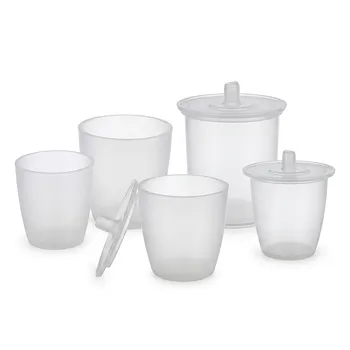
- Everyday Essentials: Beakers, measuring cylinders, crucibles, reagent bottles, and centrifuge tubes.
- Fluid Handling & Prep: Tubing, fittings, valves, separatory funnels, filters, and high-purity pipettes.
- Advanced Apparatus: Custom electrochemical cells, battery testing fixtures, microwave digestion vessels, and microchannel reactors.
- General Consumables: Magnetic stirring bars, O-rings, and specialized seals.
Whether you require high-volume standard orders or bespoke, non-standard parts delivered via our end-to-end custom CNC fabrication, KINTEK is your dedicated partner for fluoropolymer excellence.
Ready to upgrade your experimental reliability? Contact KINTEK today to discuss your custom requirements!
Related Products
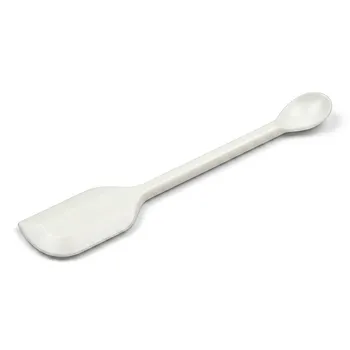
- Custom PTFE Double Head Lab Spatula Scraper Non Stick Corrosion Resistant Chemical Handling Tool
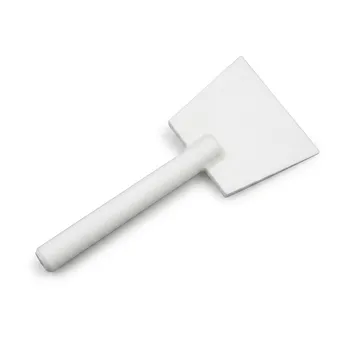
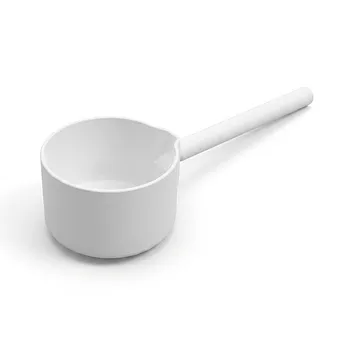
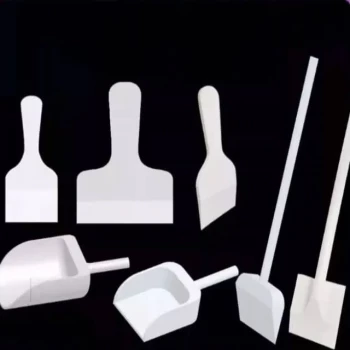
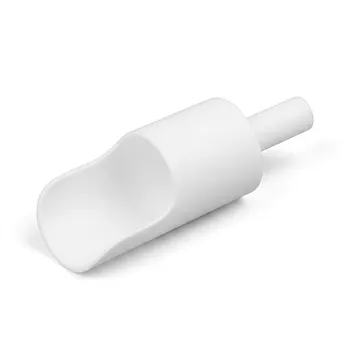
- Corrosion Resistant PTFE Laboratory Material Scoop for Biopharmaceutical Use Non Stick Easy Clean Fluoropolymer Shovel
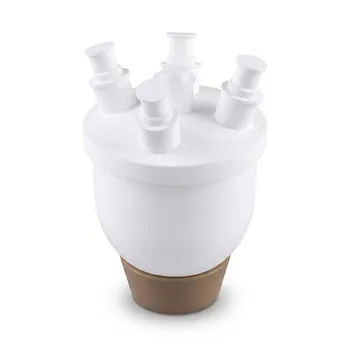
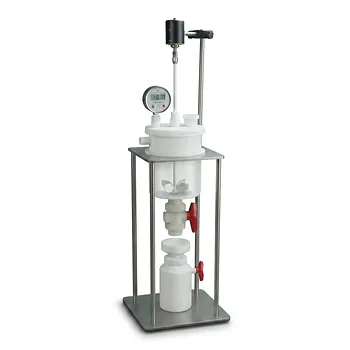
- High Performance Customizable PTFE Reaction Vessel and Corrosion Resistant Polytetrafluoroethylene Flask for Chemical Laboratory Use
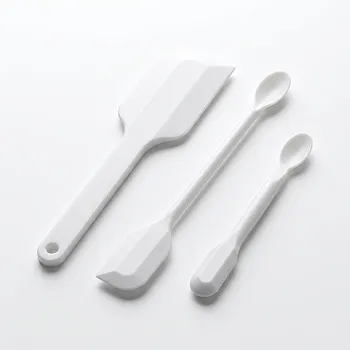
- Custom PTFE Double Headed Lab Spatula Chemical Resistant Non Stick Pharmaceutical Grade Fluoropolymer Sampling Tool
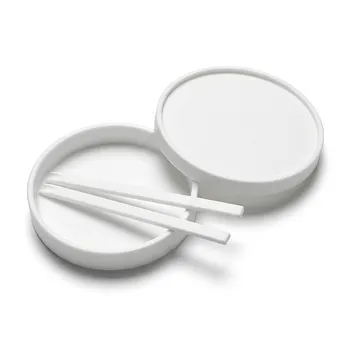
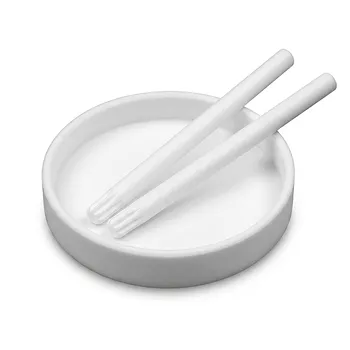
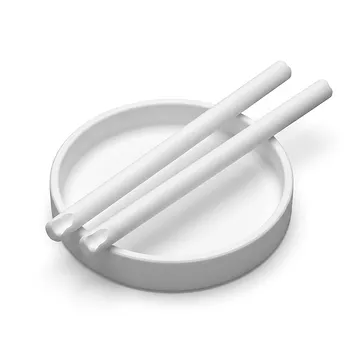
- Custom Polytetrafluoroethylene PTFE Petri Dishes 60mm Corrosion Resistant Low Background Labware
People Also Ask
- What molecular characteristics provide PTFE laboratory tools with ultra-low surface energy and anti-stick properties for fluid transfer? Discover the science behind PTFE's non-stick performance.
- How is PTFE used in laboratory settings? Essential for Chemical Resistance and Sample Purity
- What chemical reactivity properties must be considered when utilizing PTFE labware and custom fluoropolymer components in contact with reactive metal powders? Key safety insights for high-purity applications.
- What are the key properties of PTFE that make it suitable for labware applications? Ensure Lab Integrity with Superior Material
- What are the advantages of PTFE in terms of shelf life and service intervals? Maximize Reliability and Minimize Downtime