PTFE’s extreme hydrophobicity is a cornerstone of precise electrochemical analysis. By maintaining a water contact angle exceeding 100 degrees, PTFE prevents electrolyte creep, minimizes bubble interference, and regulates the local chemical environment at the electrode surface. These characteristics ensure that measurements remain stable, reproducible, and highly selective toward desired reactions.
Core Takeaway: PTFE functions as both a mechanical safeguard and a chemical regulator. Its ability to repel water prevents physical measurement errors like electrolyte leakage while simultaneously creating a stable microenvironment that suppresses unwanted side reactions.
Preventing Physical Interference and Electrolyte Creep
Eliminating Electrolyte Creep
The low surface energy of PTFE prevents the electrolyte from "climbing" or creeping along the electrode jacket shaft or clamp rods. This ensures that the liquid remains contained within the intended reaction zone, protecting the internal components of the probe from corrosion or electrical shorts.
Minimizing Bubble Adhesion and Fouling
Bubbles generated during electrochemical reactions can stick to the electrode surface, blocking active sites and causing "noise" in the data. PTFE’s non-stick properties and low coefficient of friction (0.05–0.10) allow bubbles to detach easily, maintaining a clean and stable electrode-electrolyte interface.
Maintaining Interface Reproducibility
Because PTFE repels water and contaminants, the surface of the electrode jacket remains consistent over multiple experiments. This stability is critical for long-term measurements where fouling or surface degradation would otherwise compromise the integrity of the results.
Enhancing Chemical Selectivity and Gas Transport
Suppressing the Hydrogen Evolution Reaction (HER)
In aqueous electrochemical systems, the hydrogen evolution reaction often competes with the target reaction, reducing efficiency. PTFE acts as a hydrophobic barrier that blocks water molecules and hydrated protons from reaching the catalytic sites, effectively suppressing HER.
Creating Stable Three-Phase Interfaces
PTFE is essential for creating a solid-liquid-gas interface, particularly in gas-diffusion electrodes. By repelling the liquid electrolyte, PTFE ensures that gas channels remain open, allowing reactants like carbon dioxide to diffuse smoothly to the active sites.
Fine-Tuning the Local Microenvironment
By adjusting the PTFE content (typically between 10% and 30%), researchers can balance the wetting properties of an electrode. This prevents "flooding"—where the electrolyte fills all pores—ensuring that the reaction does not stall due to a lack of gas-phase reactants.
Understanding the Trade-offs
Volume Loss in Microfluidics
While PTFE's hydrophobicity is beneficial for repelling water, it can lead to the formation of a thin wetting film when using organic solvents in tubing. This film must be accounted for in precise calculations, as it can cause significant volume loss during fluid transmission.
Material Non-Conductivity
PTFE is an excellent insulator, which means it cannot serve as the active electrode material itself. It must be used strategically as a coating or a structural jacket to ensure it provides protection without interrupting the necessary flow of electrons through the circuit.
How to Leverage PTFE in Your Electrochemical Setup
Applying PTFE to Your Research Goals
- If your primary focus is CO2 reduction or gas-phase reactions: Use PTFE-treated gas diffusion layers to maintain open gas channels and prevent electrode flooding.
- If your primary focus is high-precision analytical measurements: Opt for PTFE-jacketed electrodes to eliminate electrolyte creep and minimize signal noise caused by bubble adhesion.
- If your primary focus is suppressing side reactions in aqueous media: Incorporate a hydrophobic PTFE coating on the catalyst surface to limit water flux and improve selectivity.
By strategically utilizing the hydrophobic properties of PTFE, you can transform a volatile electrochemical environment into a stable, highly controlled analytical system.
Summary Table:
| Key Benefit | Physical/Chemical Mechanism | Impact on Analytical Results |
|---|---|---|
| Prevents Creep | Low surface energy (Contact angle >100°) | Eliminates electrolyte leakage and probe corrosion |
| Bubble Management | Non-stick surface (Low friction coefficient) | Reduces signal noise and maintains active surface area |
| Reaction Selectivity | Hydrophobic barrier to water molecules | Suppresses Hydrogen Evolution Reaction (HER) |
| Interface Stability | Open gas-diffusion channels | Prevents electrode flooding and ensures gas transport |
Elevate Your Research with KINTEK’s Precision Fluoropolymer Solutions
Don't let electrolyte creep or bubble interference compromise your data. KINTEK specializes in high-performance fluoropolymer manufacturing, offering everything from everyday basic labware (beakers, crucibles, and centrifuge tubes) to advanced electrochemical cells and battery testing fixtures.
Our end-to-end custom CNC fabrication allows us to deliver bespoke laboratory setups, high-purity trace analysis instruments, and complex non-standard machined parts tailored to your specific research needs. Whether you require standard PFA/PTFE consumables like stirring bars and O-rings or sophisticated microchannel reactors and reflux devices, we ensure absolute focus on material performance and precision.
Ready to optimize your electrochemical environment? Contact us today to discuss how our custom PTFE and PFA solutions can bring unparalleled stability to your laboratory!
Related Products
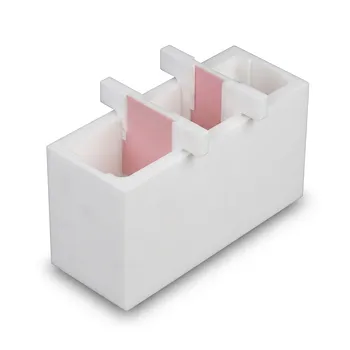
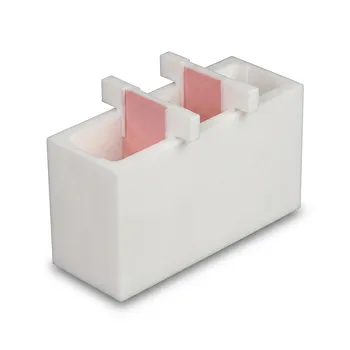
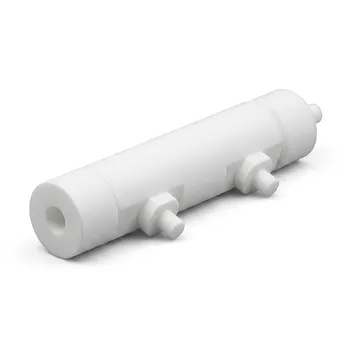
- Corrosion Resistant PTFE Electrochemical Cell for New Energy Research Inert Insulating Customizable Lab Reaction Vessel
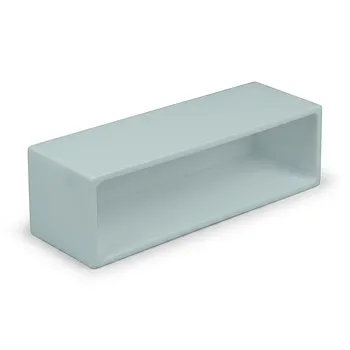
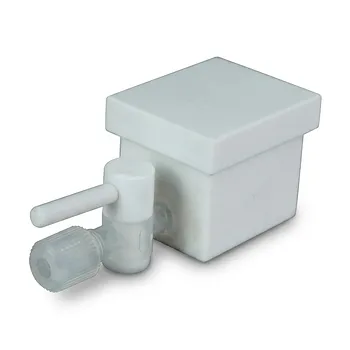
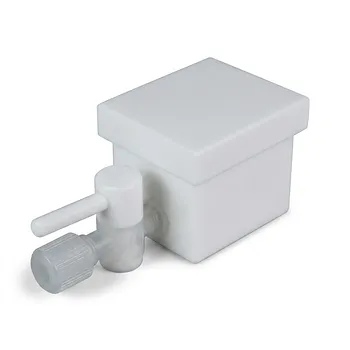
- Square PTFE Electrochemical Cell for Silicon Wafer Processing and Hydrofluoric Acid Resistance in Semiconductor and New Energy Research
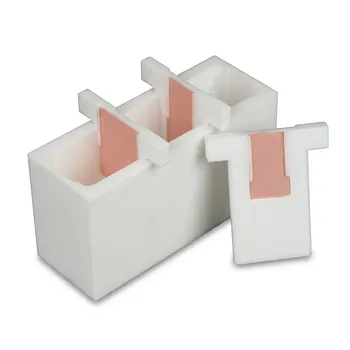
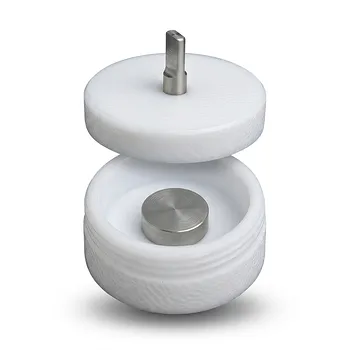
- White PTFE Electrolytic Cell with Movable Slider and Insulated Lid for Fluorine Corrosion Resistance
- High Purity Custom PTFE Reaction Cell Electrolytic Tank for Semiconductor and Polysilicon Industrial Applications
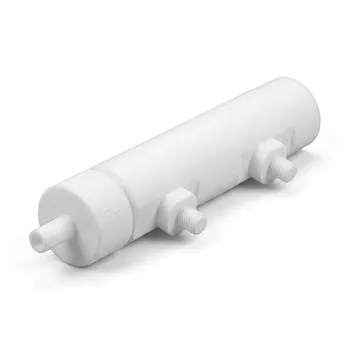
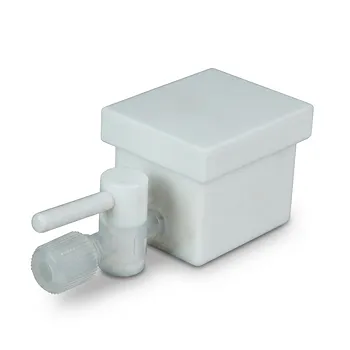
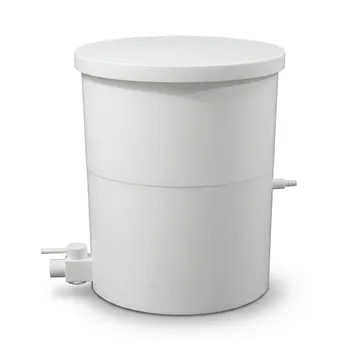
- Custom PTFE Electrolytic Cell Corrosion Resistant Low Background Reaction Vessel with Inlet Outlet Ports
People Also Ask
- How do custom PTFE electrochemical cells improve the accuracy of stability testing for alkaline catalysts compared to glass cells?
- What makes PTFE an ideal construction material for custom electrochemical cells and electronic analytical instrumentation housings? Discover superior chemical resistance and electrical insulation
- Why must seawater electrolysis test cells have high corrosion resistance? Protect catalyst stability & data accuracy.
- What are the key steps for structural integrity in molded PTFE lab reaction vessels? Master fine powder processing.
- How do hydrogen-containing and halogenated solvents differ in their ability to cause swelling in PTFE laboratory vessels? Key Differences Explained