The integrity of electrochemical data depends heavily on the chemical compatibility of the test environment. 6 M KOH is an aggressively alkaline electrolyte that causes standard plastics to swell, soften, or decompose. Using high-performance fluoroplastics like PTFE or PFA is mandatory because these materials remain chemically inert in high-pH environments, ensuring that the test fixture maintains a perfect seal and that the electrolyte remains uncontaminated during cycling.
Core Takeaway: High-performance fluoroplastics provide the essential chemical resistance and physical stability required to withstand the corrosive nature of 6 M KOH. This selection prevents mechanical seal failure, electrolyte leakage, and the introduction of impurities that would otherwise invalidate electrochemical measurements.
The Corrosive Nature of 6 M Potassium Hydroxide
Aggressive Alkaline Attack
6 M KOH is a highly concentrated alkaline solution, equivalent to the 20% to 40% concentrations used in industrial alkaline electrolysis. This environment is chemically aggressive, capable of breaking down the molecular chains of common engineering plastics.
Failure Modes of Standard Polymers
Standard sealing materials often suffer from swelling or physical degradation when exposed to strong bases. This leads to a loss of mechanical tension in seals, resulting in electrolyte leakage and the potential for "creeping" salts to damage the test equipment.
Risk of Air Contamination
Once a seal is compromised by alkaline degradation, the sample is no longer protected from atmospheric carbon dioxide and oxygen. This contamination can alter the electrolyte's pH or cause unwanted side reactions, directly skewing the electrochemical data.
Why Fluoroplastics are the Technical Standard
Universal Chemical Inertness
High-performance fluoropolymers like PTFE (Polytetrafluoroethylene) and PFA (Perfluoroalkoxy) are inert across the entire pH range (0 to 14). Their carbon-fluorine bonds are among the strongest in organic chemistry, making them immune to the caustic effects of 6 M KOH.
Wide Electrochemical Window
Fluoroplastics offer a wide electrochemical window, meaning they do not participate in redox reactions within the voltage ranges typically used for testing. This ensures that all measured current is derived exclusively from the active materials under study.
Physical Stability Under Pressure
In many test fixtures, seals must maintain integrity under varying temperatures and pressures. PTFE and PFA provide physical stability and do not leach organic molecules or trace metal impurities into the electrolyte, which is critical for high-sensitivity microanalysis.
Understanding the Trade-offs
Mechanical Cold Flow
While PTFE is chemically superior, it is susceptible to "cold flow" or creep under sustained mechanical pressure. If a seal is over-tightened or subjected to high stress without proper housing, it may deform permanently over time.
Higher Material Costs
Fluoroplastics are significantly more expensive and harder to machine than standard plastics like polypropylene or PVC. However, the cost of invalidated data or damaged laboratory equipment far outweighs the initial investment in high-performance materials.
Sealing Complexity
Because PTFE is a "harder" and more "slippery" material than traditional rubber O-rings, achieving a gas-tight seal requires precise tolerances in the fixture design. Engineers must account for the material's specific torque requirements to ensure a reliable interface.
Selecting Materials for Alkaline Electrochemical Testing
The choice of sealing material should be dictated by the duration of your test and the sensitivity of your measurements.
- If your primary focus is long-term cycling stability: Utilize PTFE or PFA components to ensure the seal does not degrade over hundreds of hours of exposure to KOH.
- If your primary focus is detecting trace reaction products: Select high-purity fluoroplastics to prevent the leaching of organic contaminants that could interfere with chromatography or mass spectrometry.
- If your primary focus is high-temperature electrolysis: Use ePTFE (expanded PTFE) gaskets, which provide enhanced resistance to thermal expansion and better seal integrity at elevated temperatures and pressures.
By prioritizing material compatibility with fluoroplastics, you ensure that your experimental results are a true reflection of your active chemistry rather than a byproduct of fixture failure.
Summary Table:
| Feature | High-Performance Fluoroplastics (PTFE/PFA) | Standard Engineering Plastics (PP/PVC) |
|---|---|---|
| Chemical Resistance | Inert (pH 0-14); immune to 6 M KOH | Swells, softens, and degrades in alkaline |
| Sealing Integrity | High stability; prevents electrolyte leakage | Loss of mechanical tension; risk of salt creep |
| Purity & Leaching | Zero leaching of organic/metal impurities | High risk of leaching contaminants into electrolyte |
| Electrochemical Window | Wide window; no participation in redox | Potential interference with measured current |
| Atmospheric Protection | Maintains gas-tight seal against CO2/O2 | High failure rate leading to atmospheric contamination |
Secure Your Research with KINTEK’s Precision Fluoropolymer Solutions
Don’t let material failure compromise your electrochemical data. KINTEK provides an exhaustive range of laboratory supplies specifically engineered to withstand aggressive environments like 6 M KOH. From everyday basic labware (beakers, crucibles, and reagent bottles) to complex fluid transfer components (tubing, fittings, valves) and advanced reaction apparatus like custom electrochemical cells, battery testing fixtures, and microwave digestion vessels, we deliver the chemical inertness your research demands.
Our expertise in end-to-end custom CNC fabrication allows us to manufacture everything from high-volume consumables (O-rings, gaskets, and stirring bars) to bespoke, non-standard machined parts crafted exclusively from high-performance PTFE and PFA.
Ready to upgrade your lab setup? Contact KINTEK today for expert consultation and custom-engineered supplies!
References
- Yong Zhang, Shan Fan. N/O co-enriched graphene hydrogels as high-performance electrodes for aqueous symmetric supercapacitors. DOI: 10.1039/d1ra01863a
This article is also based on technical information from Kintek Knowledge Base .
Related Products
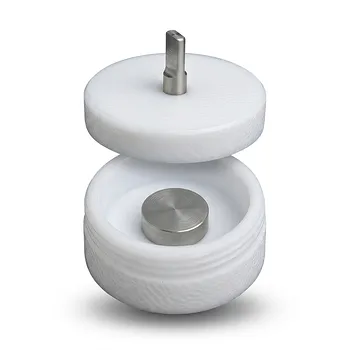
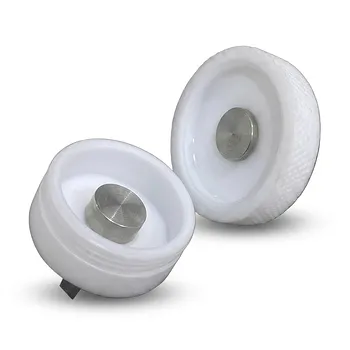
- Acid Resistant PTFE Button Cell Battery Test Fixture Customizable Machining High Purity Electrochemical Testing Clamp
- Corrosion Resistant PTFE Coin Cell Battery Testing Clamps and Acid Proof Custom Fluoropolymer Battery Fixtures
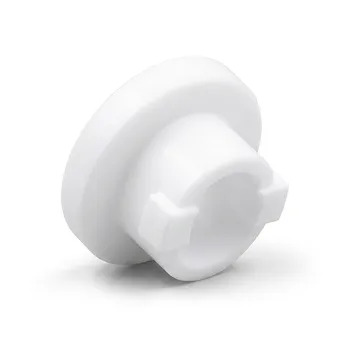
- Custom PTFE Insulating Gaskets Corrosion Resistant Teflon Seals Tailored Engineering Plastic Components
- Custom PTFE Insulating Gaskets and Corrosion Resistant Fluoropolymer Seals for Industrial Electrical Applications
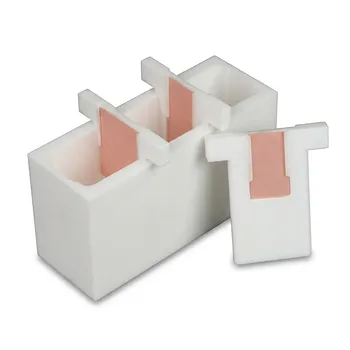
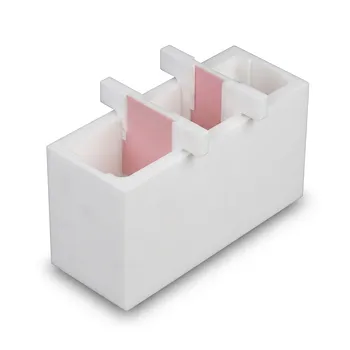
- White PTFE Electrolytic Cell with Movable Slider and Insulated Lid for Fluorine Corrosion Resistance
People Also Ask
- In what ways do PTFE battery testing fixtures enhance laboratory throughput and reliability? Maximize Research Efficiency
- How does the chemical inertness of PTFE benefit laboratory-scale battery testing? Ensure high-purity research results.
- Why are customized PTFE testing fixtures required for electrochemical testing and battery research? Boost Data Accuracy
- In what industrial manufacturing contexts are PTFE battery clamps or fixtures utilized? Optimize Battery Production.
- What is the thermal operating range for PTFE battery clamps in electrochemical research? Stability from -200°C to +260°C