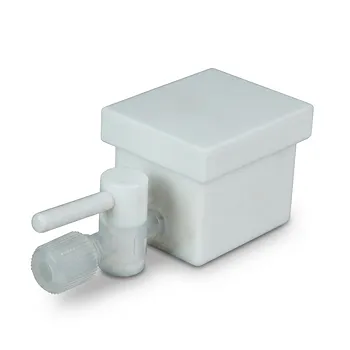
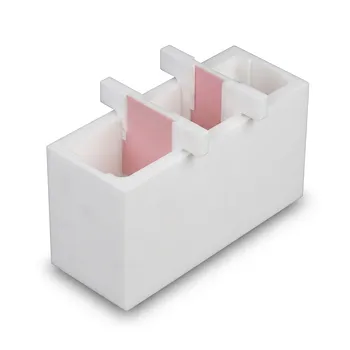
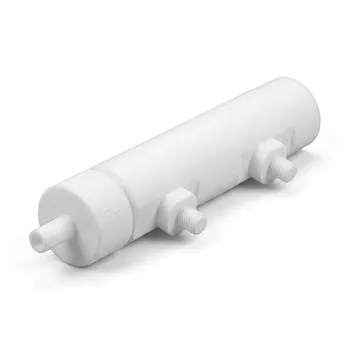
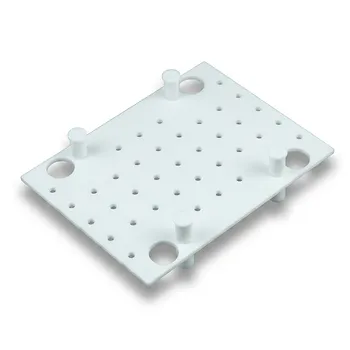
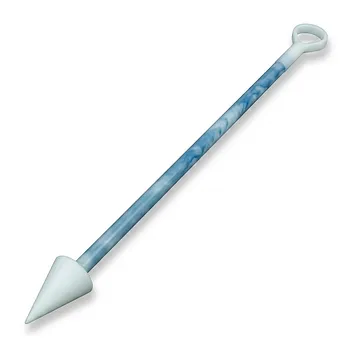
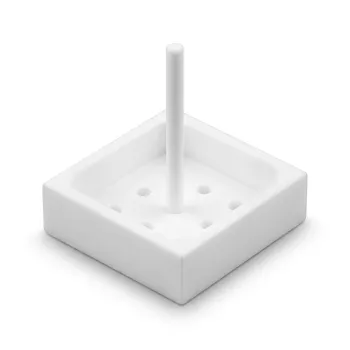
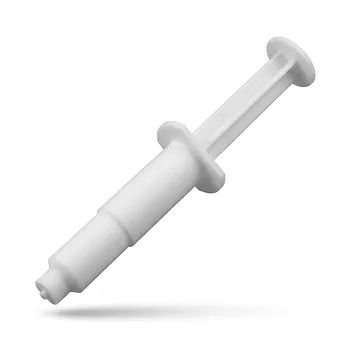
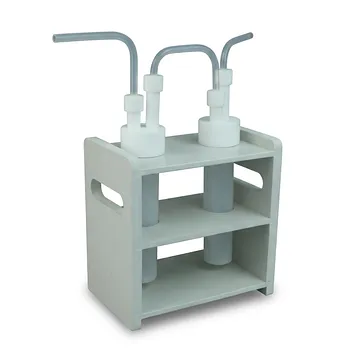
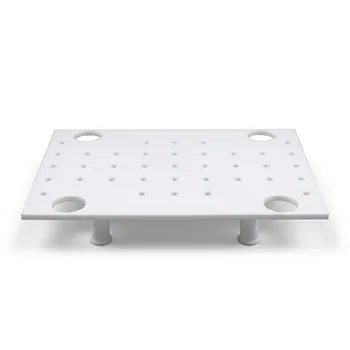
PTFE (Polytetrafluoroethylene) is the preferred material for electrode fixturing because of its near-universal chemical inertness and wide electrochemical stability window. Its unique carbon-fluorine backbone allows it to withstand aggressive battery electrolytes, including organic solvents and acidic/basic additives, without leaching contaminants or degrading. This ensures that the resulting electrochemical data is a true reflection of the battery chemistry rather than a side reaction with the testing fixture.
Core Takeaway: PTFE provides a chemically "invisible" support structure that prevents parasitic reactions and electrical interference. By combining extreme corrosion resistance with high electrical insulation, it ensures long-term structural integrity and high-fidelity data in harsh battery environments.
The Foundation of Chemical and Thermal Inertness
Universal Resistance via Carbon-Fluorine Bonds
The primary reason for PTFE’s dominance is its carbon-fluorine (C-F) backbone, which is one of the strongest bonds in organic chemistry. This structure makes the polymer resistant to virtually all solvents, acids, bases, and oxidizers used in modern battery research, such as lithium hexafluorophosphate in carbonate solvents. Unlike other polymers that may swell or dissolve within hours, PTFE maintains its purity and structural integrity.
Preventing Electrolyte Contamination
In sensitive electrochemical experiments, even trace amounts of leached plasticizers can ruin data. PTFE is highly pure and does not leach contaminants into the electrolyte, which eliminates parasitic reactions. This characteristic is vital for maintaining the chemical purity of the system during long-term cycle testing.
Thermal Insulation and Heat Resistance
Electrochemical reactions often generate localized heat that can compromise less stable materials. PTFE acts as an effective thermal insulator, protecting the external assembly and ensuring that heat does not lead to a mechanical failure of the fixture.
Electrical and Electrochemical Performance
High Electrical Insulation and Signal Integrity
PTFE is an exceptional electrical insulator, which is critical for preventing short circuits between the current collector and the cell body. This insulation ensures a high signal-to-noise ratio, allowing researchers to capture precise data even under complex reaction conditions.
Broad Electrochemical Stability Window
PTFE remains stable across a wide potential range, typically from –2 V to +2 V vs. SHE. This broad window means the fixture itself will not undergo oxidation or reduction during the test. By avoiding these electrochemical side reactions, researchers can be certain that the measured current is solely due to the electrode material under study.
Protection Against Galvanic Corrosion
When used in reference electrode jackets, PTFE protects internal leads from galvanic corrosion. It can also incorporate porous junctions that allow for ionic contact while blocking the bulk mixing of electrolytes.
Precision Machining and Physical Advantages
Customization for Specialized Geometries
PTFE can be easily machined into custom geometries to accommodate various electrode formats, such as thin foils, meshes, or cylindrical rods. This allows for the creation of high-precision testing units that ensure tight electrolyte sealing and precise electrode spacing.
Low Friction and Mechanical Correction
In specialized tests where mechanical stress is applied to electrodes, PTFE’s low friction coefficient is a significant advantage. It reduces the interference of the fixture's own rigidity on the applied stress, ensuring that voltage shifts are the result of electrochemical potential changes rather than mechanical friction.
Long-Term Dimensional Stability
While some polymers deform under the constant pressure of a sealed battery cell, PTFE maintains sufficient dimensional stability for reliable testing. This ensures that the internal geometry of the cell—and thus the electrolyte path length—remains constant throughout the experiment.
Understanding the Trade-offs
Mechanical Cold Flow
The most significant limitation of PTFE is its tendency toward "cold flow" or creep. Under sustained pressure, PTFE will slowly deform, which can lead to a loss of seal integrity over very long periods if not accounted for in the fixture design.
Limited Temperature Range
While PTFE is stable at common battery testing temperatures, it cannot match the extreme temperature resistance of technical ceramics. If a test requires temperatures exceeding 260°C, PTFE will begin to soften and lose its mechanical advantages.
Surface Wetting Challenges
Because PTFE is naturally hydrophobic, it can be difficult to "wet" with certain aqueous electrolytes. Researchers must sometimes use surfactants or vacuum-filling techniques to ensure the electrolyte makes full contact with the electrodes within a PTFE fixture.
How to Apply This to Your Research
PTFE is an excellent general-purpose choice, but your specific research goals should dictate how you implement it.
- If your primary focus is high-voltage cathode testing: Use high-purity PTFE or PFA to ensure the fixture does not oxidize at potentials above 4.5V.
- If your primary focus is mechanical strain and stress-sensing: Leverage PTFE's low friction coefficient to ensure that external loads are transferred directly to the electrode without fixture interference.
- If your primary focus is long-term cycling (months): Design your fixture with mechanical supports or "stops" to prevent PTFE cold flow from compromising the electrolyte seal over time.
By understanding both the chemical invulnerability and the mechanical limitations of PTFE, you can design battery testing protocols that deliver consistent, uncompromised data.
Summary Table:
| Feature | Key Benefit | Impact on Research |
|---|---|---|
| Chemical Bond | Strong C-F Backbone | Prevents electrolyte contamination and leaching. |
| Electrochemical Window | Stable from -2V to +2V vs SHE | Eliminates parasitic oxidation or reduction reactions. |
| Electrical Properties | High Insulation | Prevents short circuits; ensures high signal-to-noise ratio. |
| Mechanical Properties | Low Friction & CNC Machinable | Allows for custom geometries and precise electrode spacing. |
| Thermal Stability | Effective Insulator | Protects external assemblies from localized reaction heat. |
Optimize Your Battery Testing with KINTEK’s Precision Fluoropolymer Solutions
High-fidelity data starts with chemically inert materials. KINTEK specializes in manufacturing a comprehensive range of laboratory supplies crafted exclusively from PTFE and PFA. From everyday basic labware like beakers, crucibles, and reagent bottles to advanced battery testing fixtures and custom electrochemical cells, we provide the chemically "invisible" support your research demands.
Our end-to-end custom CNC fabrication allows us to deliver everything from complex non-standard machined parts to high-volume orders for fluid transfer components, sample prep tools, and reaction apparatus. Whether you need hydrothermal synthesis liners or bespoke electrode accessories, KINTEK ensures your setups are free from contamination and built for performance.
Ready to upgrade your laboratory setup? Contact us today at KINTEK to discuss your custom project and secure the precision your research deserves!
Related Products
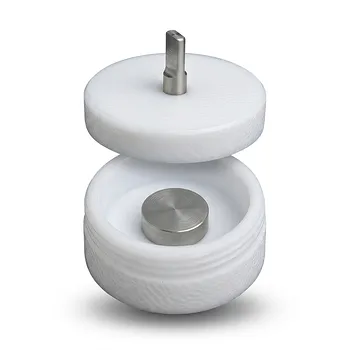
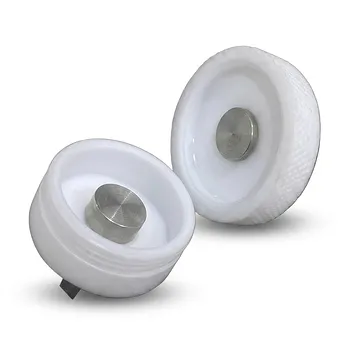
- Acid Resistant PTFE Button Cell Battery Test Fixture Customizable Machining High Purity Electrochemical Testing Clamp
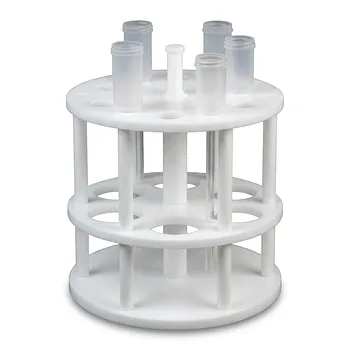
- Custom PFA Microcolumn Racks and PTFE Machined Low Background Corrosion Resistant Laboratory Fixtures
- Corrosion Resistant PTFE Coin Cell Battery Testing Clamps and Acid Proof Custom Fluoropolymer Battery Fixtures
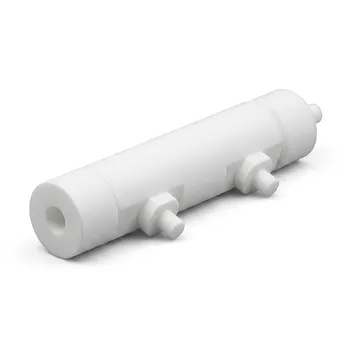
- Custom PTFE Electrolytic Cell Corrosion Resistant Low Background Reaction Vessel with Inlet Outlet Ports
- White PTFE Electrolytic Cell with Movable Slider and Insulated Lid for Fluorine Corrosion Resistance
People Also Ask
- How does the chemical inertness of PTFE benefit laboratory-scale battery testing? Ensure high-purity research results.
- In what ways do PTFE battery testing fixtures enhance laboratory throughput and reliability? Maximize Research Efficiency
- In what industrial manufacturing contexts are PTFE battery clamps or fixtures utilized? Optimize Battery Production.
- What is the thermal operating range for PTFE battery clamps in electrochemical research? Stability from -200°C to +260°C
- What are the primary functions and material compositions of PTFE battery clamps? Ensure Precision & Chemical Resistance