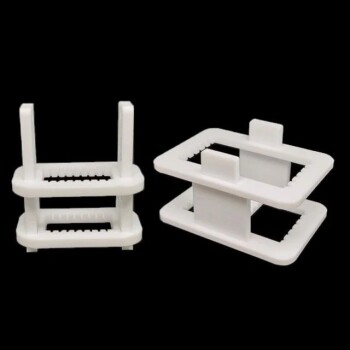
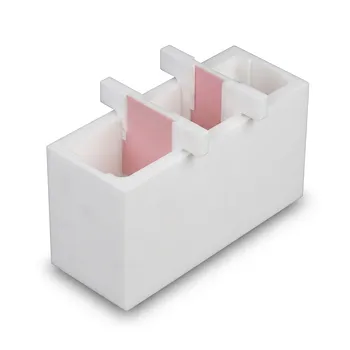
PTFE (Polytetrafluoroethylene) serves as a near-perfect electrical barrier in battery clamps, characterized by a massive volume resistivity exceeding 10^18 Ω·cm. This material features a dielectric strength of approximately 60 MV/m and a low dielectric constant of 2.1. These specifications allow the clamp body to isolate stray currents and prevent surface leakage, ensuring that electrochemical measurements are precise and unaffected by the testing hardware itself.
PTFE is the industry standard for battery clamp insulation because it effectively eliminates parasitic noise and short-circuiting. By providing an extreme resistance to current flow, it ensures that only the intended conductive contact between the electrode and the terminal is captured during analysis.
Key Electrical Specifications of PTFE
Extreme Volume Resistivity
PTFE possesses a volume resistivity of 10^18 Ω·cm, which is among the highest of any known solid material.
This specification is critical in battery clamps because it prevents "stray currents" from migrating through the body of the clamp to the electrolyte or counter electrodes.
By blocking these currents, the material ensures that the electrical signals recorded during testing are a true reflection of the battery's performance.
High Dielectric Strength
The dielectric strength of PTFE is approximately 60 MV/m, which can also be understood as roughly 500 volts per thousandth of an inch.
This high threshold allows the material to withstand significant voltage loads without experiencing electrical breakdown or allowing current to "punch through" the insulator.
Because of this strength, PTFE is a preferred choice for high-voltage battery applications where safety and isolation are paramount.
Low Dielectric Constant and Capacitance
PTFE features a very low dielectric constant of 2.1, which remains stable across a wide range of frequencies.
This property results in low parasitic capacitance, meaning the clamp itself does not store a charge that could distort sensitive high-frequency signals.
In applications like Electrochemical Impedance Spectroscopy (EIS), this low capacitance is vital for obtaining "clean" data with minimal background noise.
Performance in Testing Environments
Stability Across Frequencies and Temperatures
Unlike many plastics that degrade or change properties when heated, PTFE maintains its insulation integrity under varying thermal conditions.
It remains non-conductive and stable even when subjected to the high frequencies common in modern electronic diagnostic testing.
This reliability ensures that the battery clamp provides consistent results whether the test is performed at room temperature or in a heated environmental chamber.
Prevention of Galvanic Potentials
Because PTFE is chemically inert and highly resistive, it prevents the formation of galvanic potentials between the clamp and the battery terminals.
This isolation is necessary to avoid "ghost" voltages that could lead to inaccurate state-of-charge or state-of-health readings.
The non-conductive nature of the material ensures that the clamp body does not participate in the electrochemical reaction being measured.
Understanding the Trade-offs
Mechanical "Cold Flow" or Creep
While PTFE is an excellent electrical insulator, it is a relatively soft polymer that is subject to mechanical creep.
Under constant pressure—such as the spring tension of a battery clamp—the material can slowly deform over time.
Users must monitor the physical integrity of the PTFE insulation to ensure that deformation hasn't brought conductive parts into contact.
Surface Contamination Risks
PTFE is naturally non-stick, but the presence of conductive electrolytes or metallic dust on the surface can create a "bridge" for current.
Even though the material itself won't conduct, a dirty surface can lead to surface leakage that bypasses the insulator's internal resistance.
Regular cleaning of the PTFE surfaces is required to maintain the high insulation specifications listed by the manufacturer.
How to Apply This to Your Battery Testing
Making the Right Choice for Your Goal
- If your primary focus is high-precision impedance spectroscopy: Ensure your clamps use high-purity PTFE to take advantage of its low dielectric constant and minimal signal distortion.
- If your primary focus is high-voltage safety: Verify that the PTFE insulation thickness is sufficient for your specific voltage range, utilizing the 500V per mil guideline as a safety baseline.
- If your primary focus is long-term testing durability: Periodically inspect the PTFE contact points for signs of mechanical deformation or "creep" that could compromise the insulation gap.
Utilizing PTFE-insulated clamps provides the high-fidelity electrical isolation required to turn raw electrochemical data into actionable battery insights.
Summary Table:
| Property | Specification | Key Benefit for Testing |
|---|---|---|
| Volume Resistivity | > 10^18 Ω·cm | Blocks stray currents from affecting data |
| Dielectric Strength | ~60 MV/m (500 V/mil) | Resists high-voltage breakdown |
| Dielectric Constant | 2.1 (Stable) | Minimizes parasitic noise in EIS testing |
| Chemical Reactivity | Inert | Prevents galvanic potentials and ghost voltages |
| Thermal Stability | High | Maintains insulation across temperature ranges |
Maximize Precision in Your Electrochemical Research with KINTEK
Ensure the integrity of your sensitive measurements with high-performance fluoropolymer solutions. KINTEK provides an exhaustive range of laboratory supplies, from basic PTFE labware (beakers, crucibles, and reagent bottles) and fluid transfer components (valves, fittings, and tubing) to advanced battery testing fixtures and custom electrochemical cells.
Our end-to-end CNC fabrication allows us to deliver everything from high-volume general consumables like stirring bars and gaskets to complex, bespoke reaction apparatus such as microwave digestion vessels and microchannel reactors. By focusing exclusively on high-performance materials like PTFE and PFA, we eliminate parasitic noise and contamination risks in your most critical applications.
Ready to upgrade your lab setup with superior insulation? Contact our experts today to discuss your custom project or bulk supply needs!
Related Products
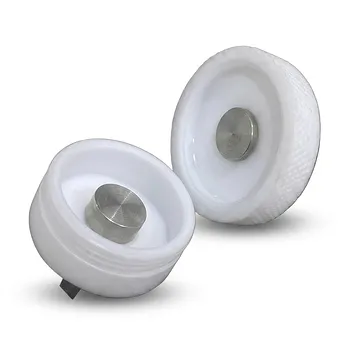
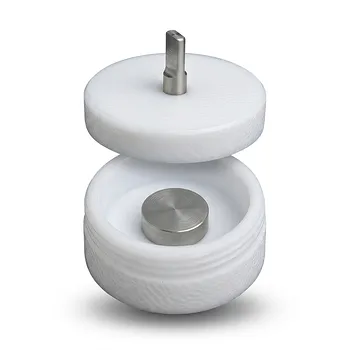
- Corrosion Resistant PTFE Coin Cell Battery Testing Clamps and Acid Proof Custom Fluoropolymer Battery Fixtures
- Acid Resistant PTFE Button Cell Battery Test Fixture Customizable Machining High Purity Electrochemical Testing Clamp
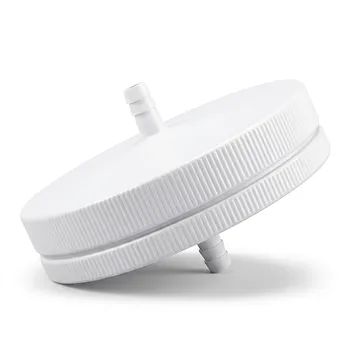
- PTFE Filter Membrane Holder for Hydrogen Chloride and Water Filtration 90mm Environmental Sampling Clamp Customizable
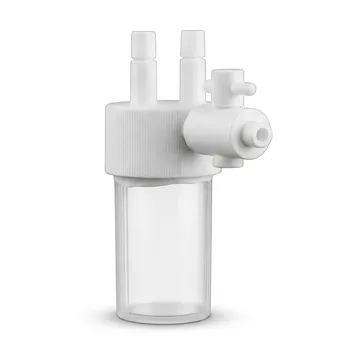
- Custom PTFE Reaction Lid with Integrated Valve and Fitting Corrosion Resistant No Leaching PFA FEP Bottle Cap System
- Custom PTFE Gas Washing Bottle Cap Multi Port Reaction Lid Corrosion Resistant High Sealing Laboratory Fluoropolymer Closure
People Also Ask
- What is the thermal operating range for PTFE battery clamps in electrochemical research? Stability from -200°C to +260°C
- What are the primary functions and material compositions of PTFE battery clamps? Ensure Precision & Chemical Resistance
- How do coin cell testing fixtures evaluate ZIF-derived LCO cycling stability? Ensure Battery Research Precision
- What are the electrical insulation and signal integrity advantages of using PTFE battery clamps? Ensure Data Accuracy
- How does the chemical inertness of PTFE benefit laboratory-scale battery testing? Ensure high-purity research results.