The platinum wire counter electrode acts as the essential electrical bridge that completes the circuit in a three-electrode electrochemical cell. It facilitates the flow of current necessary to drive reactions at the working electrode without interfering with the sensitive measurements required for heavy metal analysis. In the context of heavy metal detection, its primary role is to ensure that the current signals recorded during oxidative stripping are a pure reflection of the target metal ions rather than background chemical noise or electrode degradation.
Core Takeaway: The platinum wire counter electrode provides a chemically stable, highly conductive path to complete the electrical circuit, ensuring that the measured current originates solely from the redox reactions of target heavy metals at the working electrode.
Completing the Electrochemical Circuit
Facilitating Charge Balance
In a three-electrode system, the counter electrode (also known as the auxiliary electrode) serves as a sink or source for electrons. This allows the electrochemical workstation to maintain a potential difference between the working electrode and the reference electrode without drawing current through the reference itself.
Ensuring High Conductivity
Platinum is selected for its exceptional electrical conductivity, which minimizes internal resistance within the cell. This high conductivity ensures that the electronic control system can respond rapidly to potential changes, which is vital for the precision required in voltammetric heavy metal detection.
Maintaining Analytical Integrity
Preventing Redox Interference
The primary role of the platinum wire is to remain chemically inert throughout the detection process. Because it does not participate in the redox reactions being studied, it prevents the introduction of "stray" current signals that would otherwise skew the quantitative data of the heavy metals being measured.
Managing Gas Evolution
For heavy metal detection, the overpotential for hydrogen and oxygen evolution is a critical factor. Platinum’s properties ensure that the counter electrode does not promote interfering gas evolution reactions during the application of stripping voltages, thereby maintaining a clear window for the observation of metal ion oxidation.
Corrosion Resistance in Electrolytes
Heavy metal detection often occurs in aggressive chemical environments, including strong acids or alkaline solutions. Platinum's superior corrosion resistance prevents the electrode from dissolving and releasing metal impurities into the electrolyte, which would contaminate the sample and lead to false-positive results.
Understanding the Trade-offs
The Challenge of Material Cost
Platinum is a precious metal, making these electrodes significantly more expensive than carbon-based or stainless steel alternatives. While it offers superior performance, the high initial investment can be a barrier for high-volume, disposable sensor applications.
Surface Area Requirements
To ensure the reaction rate is not limited by the counter electrode, its surface area should ideally be larger than that of the working electrode. If a platinum wire is too thin or short, it may cause current limitations, potentially distorting the peaks observed during heavy metal stripping analysis.
Potential for Surface Contamination
Although platinum is inert, its surface can become "poisoned" or coated with adsorbed species over time. This requires regular cleaning and maintenance (such as flame treatment or acid washing) to ensure the electrode maintains its high catalytic activity and stable performance.
How to Apply This to Your Project
Choosing the Right Configuration
- If your primary focus is maximum quantitative accuracy: Use a high-purity platinum wire or plate to ensure zero redox interference and stable current loops during stripping voltammetry.
- If your primary focus is cost-sensitive field testing: Consider whether a less expensive inert material, like high-density graphite, can meet your needs, though you must verify it does not introduce background noise.
- If your primary focus is high-current applications: Ensure the surface area of your platinum counter electrode is at least several times larger than your working electrode to prevent it from becoming the rate-limiting step.
By serving as a stable and inert auxiliary component, the platinum wire counter electrode ensures that your electrochemical data truthfully represents the intrinsic properties of the heavy metals under investigation.
Summary Table:
| Feature | Role in 3-Electrode System | Benefit for Heavy Metal Detection |
|---|---|---|
| Circuit Completion | Acts as an electron sink/source | Enables precise potential control at the working electrode |
| High Conductivity | Minimizes internal resistance | Ensures rapid response for accurate voltammetric signals |
| Chemical Inertness | Prevents unwanted redox reactions | Eliminates background noise and interference with metal ions |
| Corrosion Resistance | Resists aggressive electrolytes | Prevents sample contamination and ensures long-term stability |
| Charge Balance | Facilitates charge transfer | Prevents the reference electrode from drawing current |
Elevate Your Electrochemical Research with KINTEK
Precision in heavy metal detection requires more than just high-quality electrodes; it demands a complete ecosystem of high-performance laboratory equipment. At KINTEK, we specialize in providing the critical components needed for sensitive analytical environments.
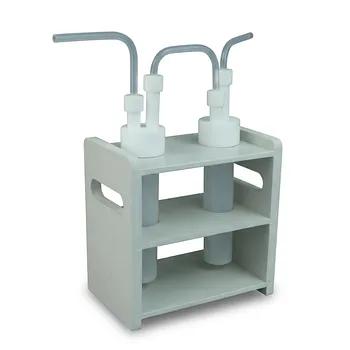
From everyday basic labware like beakers, measuring cylinders, crucibles, dishes, and reagent/wash bottles to advanced sample prep tools, filtration kits, and high-purity trace analysis instruments, we ensure every piece of equipment maintains the highest standards of integrity. Our expertise extends to comprehensive fluid transfer components (tubing, fittings, valves) and essential consumables like stirring bars, O-rings, gaskets, and seal tapes.
For specialized electrochemical setups, we manufacture standard and custom electrochemical cells, battery testing fixtures, electrode accessories, hydrothermal synthesis liners, and microwave digestion vessels. Whether you need complex custom CNC-fabricated non-standard parts or high-volume orders, KINTEK maintains an exclusive focus on high-performance PTFE and PFA materials to deliver absolutely everything your lab requires.
Ready to optimize your lab's performance? Contact us today to discuss how our bespoke laboratory setups and expert fabrication can support your next breakthrough.
References
- Md Humayun Kabir, Meser M. Ali. Simultaneous Electrochemical Sensing of Ultra-Trace Multiple Heavy Metals Using Metal–Organic Frameworks-Graphene Oxide Nanocomposite-Modified Electrodes. DOI: 10.1021/acsomega.5c07592
This article is also based on technical information from Kintek Knowledge Base .
Related Products
- Customizable PTFE Scrapers and Shovels for Demanding Applications
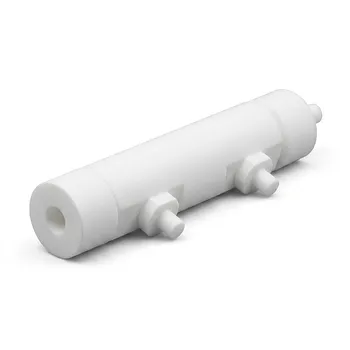
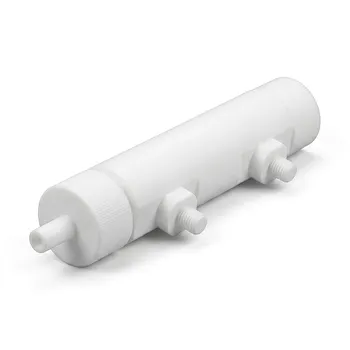
- Custom PTFE Electrolytic Cell Corrosion Resistant Low Background Reaction Vessel with Inlet Outlet Ports
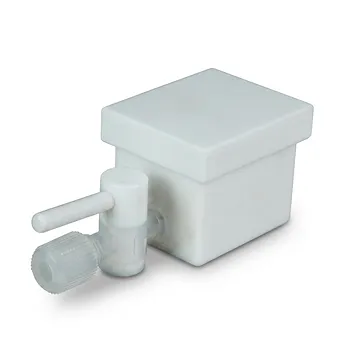
- Custom PTFE Corrosion Resistant Insulating Electrophoresis Reaction Cell with Septum and Valves for Low Background Trace Analysis
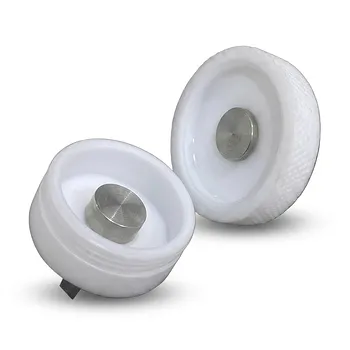
- Corrosion Resistant PTFE Coin Cell Battery Testing Clamps and Acid Proof Custom Fluoropolymer Battery Fixtures
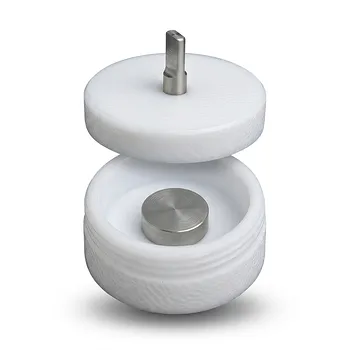
- White PTFE Electrolytic Cell with Movable Slider and Insulated Lid for Fluorine Corrosion Resistance
People Also Ask
- Why are PTFE shovels considered cost-effective? Maximize ROI with Superior Durability
- How does the durability of PTFE shovels compare to plastic shovels? Discover the Superior Choice for Harsh Conditions
- What are the advantages of PTFE shovels in terms of chemical resistance? Unmatched Inertness for Handling Corrosives
- What are some specific applications of PTFE shovels in the laboratory? Ensure Sample Purity and Safety
- What are the key properties that make PTFE shovels ideal for laboratory use? Ensure Sample Integrity with Chemically Inert Tools