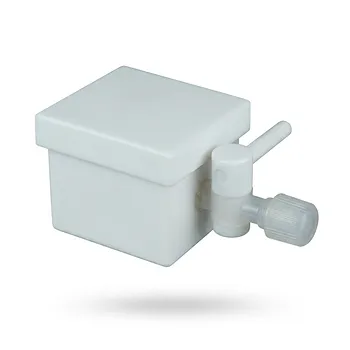
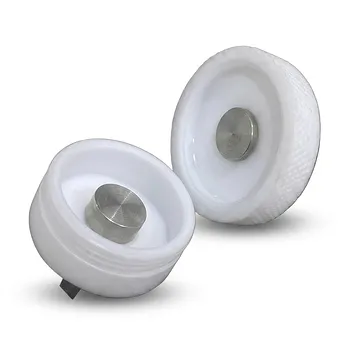
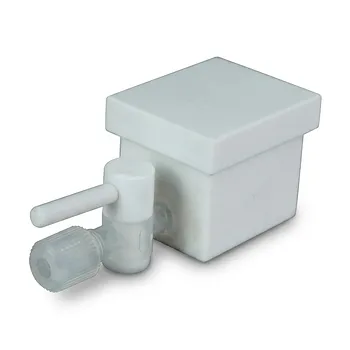
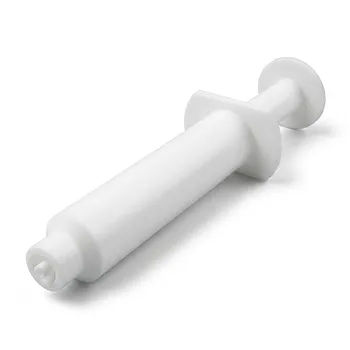
The role of a high-precision electrochemical cell in MXene co-deposition is to provide a meticulously controlled environment for structural engineering. By offering a stable three-electrode configuration and precise regulation of the electric field, these cells allow researchers to dictate the current density and deposition time. This level of control is essential for transforming MXenes and conductive polymers or metals into uniform composite films with optimized 3D morphologies, such as starfruit-like structures, which are critical for high-performance energy storage.
Core Takeaway: A high-precision electrochemical cell acts as the "master controller" for material synthesis, ensuring that MXene composites achieve the specific structural uniformity and electrochemical stability required for advanced technical applications.
Establishing a Controlled Reaction Environment
The Stability of the Three-Electrode System
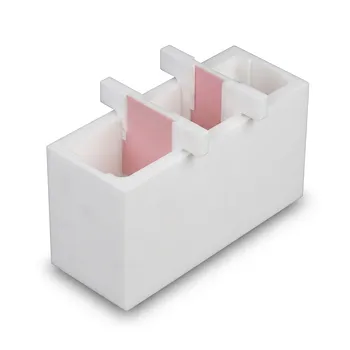
A high-precision cell maintains a fixed geometry between the working electrode, counter electrode, and reference electrode. This structural rigidity is vital because even minor shifts in electrode spacing can lead to fluctuations in the electric field, compromising the uniformity of the MXene deposit.
Uniform Current Distribution
The cell is designed to ensure that the current density is distributed evenly across the conductive substrate, such as ITO glass or nickel foam. This uniform distribution prevents "hot spots" of deposition, which would otherwise result in clumping or inconsistent film thickness.
Environmental Isolation and Chemical Resistance
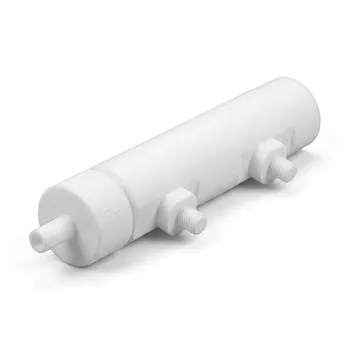
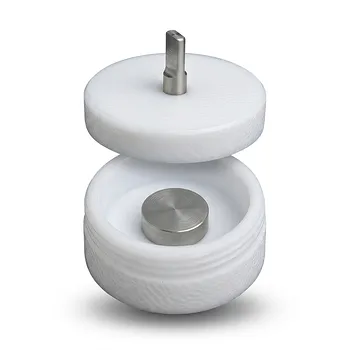
High-quality cells are often fabricated from fluoropolymer materials like PTFE or PFA, which resist corrosion from aggressive electrolytes. These materials also support airtight sealing, protecting the MXene—which can be sensitive to oxidation—from atmospheric interference during the deposition process.
Morphological Engineering and Structural Control
Precision Regulation of Deposition Parameters
By enabling the exact adjustment of current intensity and deposition duration, the cell allows for the fine-tuning of the composite’s physical characteristics. This precision is what enables the regulation of particle size and the specific arrangement of MXene sheets within a polymer or metal matrix.
Creation of Advanced 3D Architectures
The controlled environment facilitates the growth of specialized morphologies, such as 3D starfruit-like structures. These complex architectures increase the surface area of the material, providing more active sites for electrochemical reactions.
Enhancing Charge Transport Paths
An optimized cell environment ensures that the MXene and its guest material (like a conductive polymer) interlock effectively. This structural integrity creates shortened charge transport paths, which significantly improves the rate capability and stability of the resulting energy storage device.
Understanding the Trade-offs
Setup Complexity vs. Material Quality
While high-precision cells yield superior materials, they require rigorous calibration and maintenance. Improper assembly or failure to clean the high-performance seals can lead to electrolyte leakage or signal noise, negating the benefits of the high-precision hardware.
Cost and Scalability Constraints
The specialized materials used in these cells, such as high-purity PTFE and customized electrode holders, increase initial laboratory costs. Furthermore, while these cells are perfect for creating high-quality "proof-of-concept" thin films, transitioning these precise conditions to large-scale industrial manufacturing remains a significant engineering challenge.
Sensitivity to Experimental Geometry
High-precision cells are highly sensitive to the relative positioning of the electrodes. A minor misalignment can distort the electric field lines, leading to a loss of the specific 3D morphology (like the starfruit structure) that the researcher intended to create.
How to Apply This to Your Project
When utilizing a high-precision electrochemical cell for MXene co-deposition, your approach should vary based on your primary research objective:
- If your primary focus is maximizing energy density: Prioritize the use of a three-electrode setup to precisely control the formation of 3D morphologies that increase the active surface area.
- If your primary focus is long-term material stability: Ensure the cell features high-performance PTFE sealing to isolate the reaction from oxygen and moisture, preventing the degradation of the MXene flakes.
- If your primary focus is data reproducibility: Use customized cell holders that fix the electrode spacing at a constant distance to ensure consistent current distribution across multiple experimental runs.
Mastering the controlled environment of an electrochemical cell is the most effective way to unlock the full potential of MXene-based composite materials for the next generation of energy storage.
Summary Table:
| Role | Key Mechanism | Benefit for MXene Composites |
|---|---|---|
| Structural Control | Three-electrode stability | Maintains consistent electric field and film uniformity. |
| Morphology Engineering | Uniform current distribution | Facilitates 3D architectures like starfruit-like structures. |
| Chemical Protection | PTFE/PFA Fluoropolymer sealing | Prevents MXene oxidation and resists aggressive electrolytes. |
| Performance Optimization | Precision parameter regulation | Shortens charge transport paths and improves rate capability. |
Unlock Precision in Your Research with KINTEK
Elevate your electrochemical synthesis with KINTEK’s high-performance laboratory solutions. We specialize in crafting the precision tools necessary for advanced material engineering, from everyday basic labware (beakers, crucibles, reagent bottles) to advanced reaction apparatus like custom electrochemical cells, battery testing fixtures, and microwave digestion vessels.
Our exclusive focus on high-performance fluoropolymers (PTFE and PFA) ensures your MXene research is protected from oxidation and chemical corrosion. Whether you require standard consumables like stirring bars and O-rings or complex, non-standard machined parts via our end-to-end custom CNC fabrication, KINTEK delivers the structural integrity your experiments demand.
Ready to optimize your 3D morphology control? Contact our experts today to discuss your bespoke laboratory setup.
References
- Umme Kalsoom, Malik Maaza. MXene-based hybrid composites for lithium-ion batteries: advances in synthesis strategies and electrochemical performance. DOI: 10.1007/s11581-025-06628-z
This article is also based on technical information from Kintek Knowledge Base .
Related Products
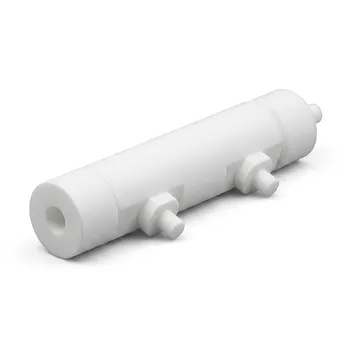
- High Purity Custom PTFE Reaction Cell Electrolytic Tank for Semiconductor and Polysilicon Industrial Applications
- Corrosion Resistant PTFE Electrochemical Cell for New Energy Research Inert Insulating Customizable Lab Reaction Vessel
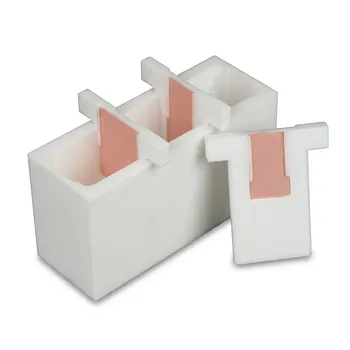
- Acid Resistant PTFE Button Cell Battery Test Fixture Customizable Machining High Purity Electrochemical Testing Clamp
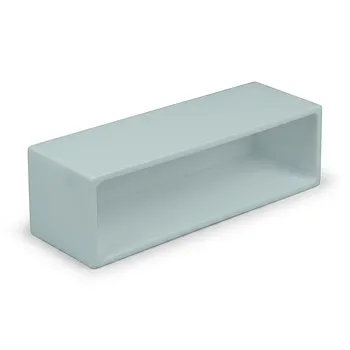
- Square PTFE Electrochemical Cell for Silicon Wafer Processing and Hydrofluoric Acid Resistance in Semiconductor and New Energy Research
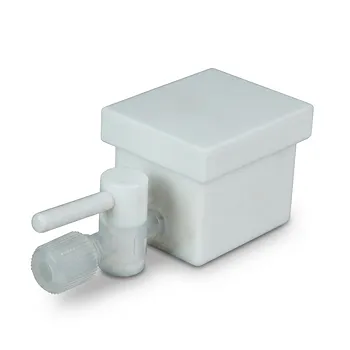
- Custom PTFE Electrolytic Cell Corrosion Resistant Low Background Reaction Vessel with Inlet Outlet Ports
People Also Ask
- Why is PTFE ideal for high-purity applications? Ensuring Absolute Chemical and Biological Inertness
- What functional advantages do PTFE reactors provide over glass? Achieve Superior Purity and Safety in Synthesis
- What are the primary fabrication methods for capillary-based and monolithic PTFE reactors? Expert Production Insights
- How does the hydrophobicity of PTFE benefit electrochemical measurements? Enhance Stability and Precision in Your Lab
- What makes PTFE an ideal construction material for custom electrochemical cells and electronic analytical instrumentation housings? Discover superior chemical resistance and electrical insulation