The integrity of platinum dissolution analysis hinges on the purity of the electrochemical environment. While traditional liquid-junction electrodes are standard in many laboratories, high-sensitivity platinum studies require a customized hydrogen reference electrode (HRE) to prevent metal ion leakage. This specialized hardware is essential for avoiding catalyst contamination and ensuring that downstream detection methods, such as ICP-MS, yield accurate, ultra-trace data.
The primary necessity for using a customized hydrogen reference electrode is the total elimination of metal ion contamination. By bypassing the leakage inherent in traditional porous-junction electrodes, researchers can maintain the chemical integrity of the catalyst and the precision of ultra-trace dissolution measurements.
The Problem with Traditional Liquid-Junction Electrodes
Metal Ion Leakage and Surface Contamination
Traditional reference electrodes, such as Saturated Calomel (SCE) or Silver/Silver Chloride (Ag/AgCl), utilize a porous junction to maintain electrical contact. This junction inevitably allows metal ions—specifically mercury or silver—to diffuse into the electrolyte solution.
Interference with Catalyst Activity
Once leaked, these foreign metal ions can adsorb onto the platinum catalyst layer. This alters the surface chemistry of the catalyst, potentially masking or accelerating the very dissolution processes you are trying to measure.
Maximizing Detection Sensitivity and Accuracy
Protecting ICP-MS Signal Integrity
Inductively Coupled Plasma Mass Spectrometry (ICP-MS) is the gold standard for detecting "ultra-trace" levels of dissolved platinum. Foreign ions introduced by traditional electrodes can create significant spectral interference or increase background noise, making it impossible to isolate the platinum signal at low concentrations.
Potential Stability in Acidic Media
A customized HRE provides an extremely stable potential reference, particularly in the acidic environments typically used for platinum studies. This stability allows researchers to correlate specific electrochemical triggers with precise dissolution events without the drift associated with contaminated junctions.
Understanding the Trade-offs
Operational Complexity
Unlike the "plug-and-play" nature of traditional electrodes, a customized HRE requires a constant supply of high-purity hydrogen gas. This increases the complexity of the experimental setup and necessitates precise pressure and flow control.
Safety and Maintenance Requirements
Managing hydrogen gas introduces specific safety protocols that must be strictly followed within the laboratory. Furthermore, the platinum black or specialized catalyst within the HRE must be maintained to ensure the electrode does not become "poisoned" or lose its Nernstian response.
Implementing the Optimal Reference Strategy
Choosing the correct electrode is a balance between the required detection limits and the complexity of the experimental design.
- If your primary focus is high-sensitivity dissolution (ICP-MS): Use a customized hydrogen reference electrode to eliminate background metal ions and ensure absolute signal purity.
- If your primary focus is routine electrochemical screening: Traditional liquid-junction electrodes may be acceptable if the concentration of the analyte is high enough that trace metal contamination does not skew the results.
Selecting a customized hydrogen reference electrode is a fundamental step in ensuring the scientific validity of ultra-trace platinum degradation studies.
Summary Table:
| Feature | Traditional Liquid-Junction (Ag/AgCl/SCE) | Customized Hydrogen Reference Electrode (HRE) |
|---|---|---|
| Contamination Risk | High (Metal ions like Ag+ or Hg2+ leak) | Zero (No foreign metal ions used) |
| ICP-MS Integrity | Poor (Spectral interference/noise) | High (Maintains ultra-trace signal purity) |
| Potential Stability | Variable in extreme pH | Highly stable in acidic media |
| Complexity | Low (Plug-and-play) | High (Requires H2 gas & flow control) |
Elevate Your Electrochemical Precision with KINTEK
Maintaining a contamination-free environment is critical for high-sensitivity studies like platinum dissolution. KINTEK specializes in high-performance fluoropolymer solutions designed for the most demanding laboratory environments.
From custom-machined electrochemical cells and battery testing fixtures to a comprehensive range of PTFE and PFA labware (including beakers, high-purity trace analysis tools, and fluid transfer components), we provide the hardware necessary to ensure your data's integrity. Whether you require standard consumables like O-rings and stirring bars or complex, bespoke reaction apparatus via our end-to-end custom CNC fabrication, KINTEK delivers absolute material purity.
Ready to eliminate contamination from your workflow? Contact us today to discuss your custom lab requirements!
References
- Ina Reichmann, Serhiy Cherevko. Scanning Gas Diffusion Electrode Setup for Real-Time Analysis of Catalyst Layers. DOI: 10.1021/acsmeasuresciau.4c00018
This article is also based on technical information from Kintek Knowledge Base .
Related Products
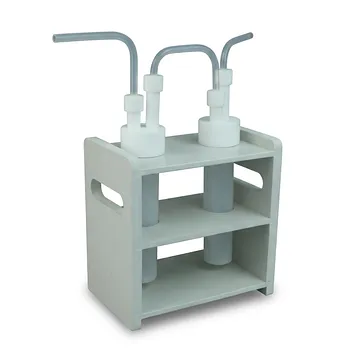
- Custom PTFE Acid Resistant Support Rack Multi Hole PFA Hydrogen Absorption System Bracket
- Customizable PTFE Scrapers and Shovels for Demanding Applications
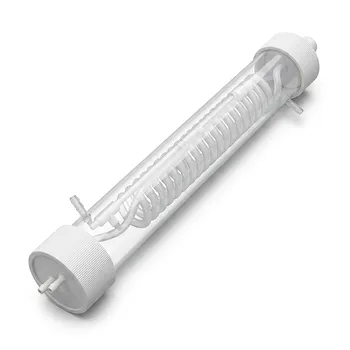
- High Purity PFA Condenser Serpentine Straight HF Resistant Reaction Apparatus Custom Circulation Column
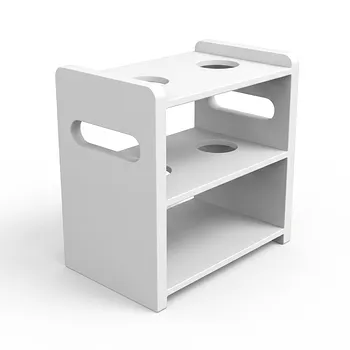
- Custom PTFE Acid Resistant Support Rack for PFA Hydrogen Absorption Systems Multi Hole Configurations
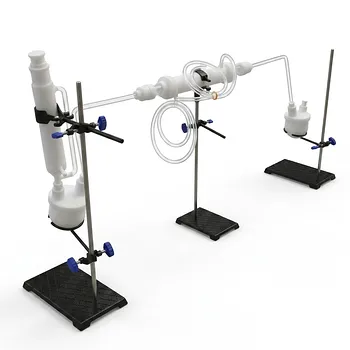
- Custom PTFE Condenser Tube Hydrofluoric Acid Resistant Reflux Device Constant Pressure Separatory Funnel
People Also Ask
- What are the benefits of integrating PTFE into piping support systems? Reduce Friction, Corrosion & Maintenance
- PTFE vs PFA: High-Temperature & Mechanical Comparison
- PTFE vs PFA: What are the key thermal and processing differences for lab apparatus?
- Why is tool selection important in the CNC machining of PTFE parts? Achieve Precision and Quality
- What post-processing techniques are used for PTFE parts? Achieve Peak Performance & Reliability