The precision of Hydrogen Evolution Reaction (HER) measurements depends entirely on isolating the working electrode's behavior from the rest of the system. In a three-electrode setup, the reference electrode acts as a stable voltage benchmark, while the counter electrode completes the electrical circuit. This configuration ensures that the measured overpotential and kinetic data accurately reflect the catalyst's performance rather than system-wide resistance.
The three-electrode system decouples current flow from potential measurement, using the reference electrode to maintain a constant voltage baseline and the counter electrode to handle the current required to balance the reaction at the working electrode.
The Reference Electrode: Establishing the Voltage Benchmark
Maintaining a Stable Potential Baseline
The primary function of the reference electrode (RE) is to provide a known, constant potential against which the working electrode (WE) is measured. In HER testing, common references include the Saturated Calomel Electrode (SCE) or Silver/Silver Chloride (Ag/AgCl) electrodes, which provide the "zero point" needed to calculate overpotential.
Preventing Measurement Polarization
To maintain its stability, the RE is designed to draw negligible current. By ensuring almost no current flows through the reference circuit, the electrode avoids polarization, which would otherwise cause the reference potential to drift and invalidate the experimental data.
Enabling Precise Control of the Working Electrode
Because the RE provides a fixed reference point, researchers can precisely control or measure the redox potential changes occurring specifically at the catalyst surface. This isolation is critical for identifying the exact moment the hydrogen evolution reaction begins and for calculating the Tafel slope and exchange current density.
The Counter Electrode: Closing the Electrical Loop
Completing the Current Circuit
The counter electrode (CE), also known as the auxiliary electrode, serves as the other half of the electrical circuit. It conducts the current generated by the electrochemical reactions at the working electrode, ensuring that the total charge in the system remains balanced.
Facilitating Opposing Redox Reactions
In HER testing, while reduction (hydrogen gas production) occurs at the working electrode, a corresponding oxidation reaction must occur at the counter electrode. Materials like high-purity graphite rods or platinum (Pt) sheets are used because they can facilitate these opposing reactions efficiently without limiting the system's overall current.
Eliminating Counter Electrode Interference
By using a separate CE, the system prevents electrode polarization at the counter electrode from affecting the measured potential of the working electrode. This allows the testing equipment to focus entirely on the intrinsic parameters of the catalyst, such as specific capacitance and impedance, without interference from the power-supplying side of the circuit.
Understanding the Trade-offs and Pitfalls
Material Selection and Contamination
While platinum is a popular CE material due to its high conductivity and catalytic activity, it can sometimes dissolve in acidic electrolytes and redeposit onto the working electrode. This "Pt-poisoning" can lead to artificially high HER performance readings, which is why graphite rods are often preferred in sensitive kinetic studies to ensure chemical inertness.
Managing Ohmic Resistance (IR Drop)
Even with a three-electrode system, the physical distance between the RE and the WE can introduce ohmic resistance, known as IR drop. If the electrodes are positioned too far apart in a low-conductivity electrolyte, the measured potential will be higher than the actual potential at the catalyst surface, leading to an overestimation of the overpotential.
How to Optimize Your HER Testing Setup
To ensure the highest accuracy in your electrochemical performance evaluations, consider the following goals:
- If your primary focus is high-current stability: Use a platinum plate counter electrode to ensure low overpotential at the auxiliary site and high current-carrying capacity.
- If your primary focus is avoiding catalyst contamination: Use a high-purity graphite rod as the counter electrode to prevent metallic ions from migrating to your working electrode.
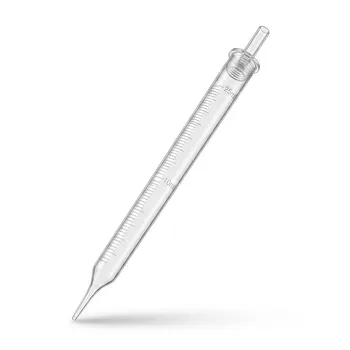
- If your primary focus is precise kinetic measurement: Position the reference electrode as close to the working electrode as possible (often using a Luggin capillary) to minimize measurement errors caused by electrolyte resistance.
Selecting the appropriate electrode materials and positioning is the definitive factor in transforming raw electrochemical data into reliable insights for catalyst development.
Summary Table:
| Electrode Type | Primary Function | Key Advantage | Recommended Materials |
|---|---|---|---|
| Reference (RE) | Potential Benchmark | Ensures stable, drift-free voltage measurements | SCE, Ag/AgCl |
| Counter (CE) | Circuit Completion | Handles current flow to prevent WE interference | Graphite Rods, Pt Sheets |
| Working (WE) | Reaction Site | Where the HER catalyst performance is tested | Catalyst-coated substrates |
Elevate Your Electrochemical Research with KINTEK
Precision in HER testing starts with the right environment. KINTEK specializes in manufacturing high-performance laboratory supplies crafted exclusively from PTFE and PFA to ensure zero contamination and maximum chemical resistance.
Whether you need everyday essentials like beakers, reagent bottles, and centrifuge tubes, or specialized tools like high-purity trace analysis instruments and filtration components, we provide the durability your lab demands. For advanced electrochemical studies, we offer standard and custom electrochemical cells, battery testing fixtures, and electrode accessories, all supported by our end-to-end custom CNC fabrication capabilities.
From complex, non-standard machined parts to high-volume consumables, KINTEK is equipped to deliver absolutely everything for your fluoropolymer-based research needs.
Ready to optimize your lab setup? Contact us today to discuss your custom requirements!
References
- Peng Du, Xilong Wang. MoS <sub>2</sub> Nanosheets/3D Graphene on a Porous Nickel Tube as an Efficient Electrocatalyst for Hydrogen Evolution. DOI: 10.1002/cbh2.70041
This article is also based on technical information from Kintek Knowledge Base .
Related Products
- Customizable PTFE Scrapers and Shovels for Demanding Applications
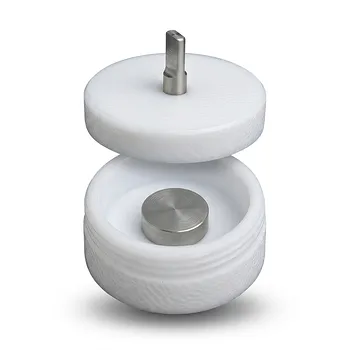
- Acid Resistant PTFE Button Cell Battery Test Fixture Customizable Machining High Purity Electrochemical Testing Clamp
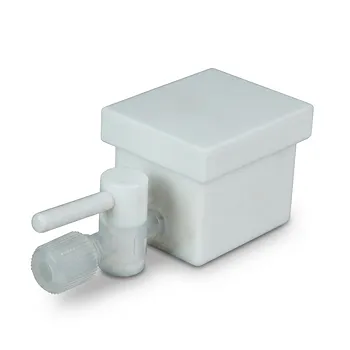
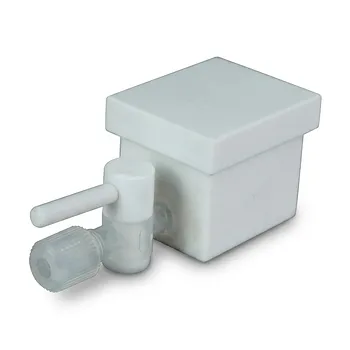
- Custom PTFE Corrosion Resistant Insulating Electrophoresis Reaction Cell with Septum and Valves for Low Background Trace Analysis
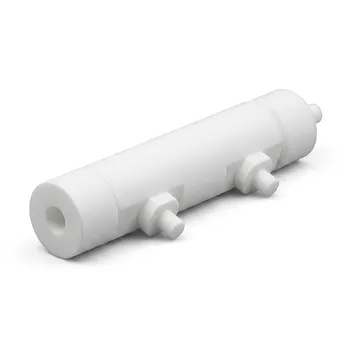
- Custom PTFE Electrolytic Cell Corrosion Resistant Low Background Reaction Vessel with Inlet Outlet Ports
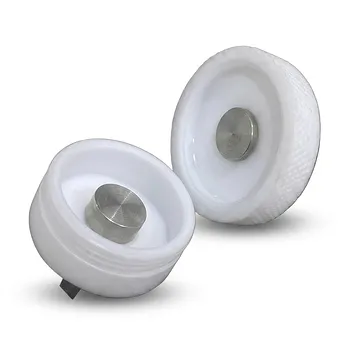
- Corrosion Resistant PTFE Coin Cell Battery Testing Clamps and Acid Proof Custom Fluoropolymer Battery Fixtures
People Also Ask
- Why are PTFE shovels considered cost-effective? Maximize ROI with Superior Durability
- What are the key properties that make PTFE shovels ideal for laboratory use? Ensure Sample Integrity with Chemically Inert Tools
- What are some specific applications of PTFE shovels in the laboratory? Ensure Sample Purity and Safety
- How does the durability of PTFE shovels compare to plastic shovels? Discover the Superior Choice for Harsh Conditions
- What are the advantages of PTFE shovels in terms of chemical resistance? Unmatched Inertness for Handling Corrosives