Choosing the correct counter electrode is critical to ensuring the electrochemical data for CuCo2S4@Co–V–O–F catalysts is accurate and untainted by external contaminants. For Hydrogen Evolution Reaction (HER) testing, platinum electrodes are the standard due to their exceptional conductivity and low overpotential. However, for Oxygen Evolution Reaction (OER) in alkaline media, graphite rods are preferred to prevent dissolved metal ions from the counter electrode from migrating to and "poisoning" the working electrode.
The selection between platinum and graphite is a strategic decision to eliminate experimental artifacts, ensuring that the observed catalytic activity is an intrinsic property of the CuCo2S4@Co–V–O–F material rather than a result of cross-electrode contamination.
The Role of Platinum in HER Testing
High Conductivity and Current Stability
Platinum is chosen for HER because it provides an exceptionally stable current loop within the three-electrode system. Its high electrical conductivity ensures that the counter electrode does not become a bottleneck for electron transfer during high-current density tests.
Low Overpotential Requirements
In HER applications, platinum’s own high catalytic activity for hydrogen evolution is an asset. It allows the counter reaction to proceed with minimal resistance, focusing the electrochemical stress on the working electrode where the CuCo2S4@Co–V–O–F catalyst is being evaluated.
Corrosion Resistance in Alkaline Media
Platinum wire maintains high corrosion resistance in common electrolytes like 1 M KOH. This stability is vital for maintaining a clean testing environment during the relatively shorter durations of standard HER polarization curves.
The Necessity of Graphite Rods in OER Environments
Mitigating Metal Dissolution
During OER testing, the counter electrode is subjected to strong alkaline and oxidizing conditions. Under these potentials, platinum can undergo anodic dissolution, releasing trace amounts of platinum ions into the electrolyte.
Preventing Working Electrode Poisoning
If platinum ions are present in the solution, they can migrate and deposit onto the CuCo2S4@Co–V–O–F working electrode. Even trace amounts of deposited platinum can significantly inflate the perceived activity of the catalyst, leading to false-positive results.
Ensuring Intrinsic Activity Measurements
High-purity graphite rods are chemically inert in these specific oxidizing environments. By using graphite, researchers ensure that the measured performance is derived solely from the catalyst material, maintaining the integrity of the structure-activity relationship studies.
Understanding the Trade-offs and Pitfalls
The Risk of Graphite Shedding
While graphite prevents metal contamination, it is not without flaws. In high-current or long-term OER tests, graphite can undergo mechanical degradation or surface oxidation, leading to "shedding" of carbon particles that may cloud the electrolyte.
Platinum’s "False Positive" Effect
The most significant pitfall in this field is the use of platinum counter electrodes for long-term OER stability tests. The resulting Pt-deposition on the working electrode can make a mediocre catalyst appear world-class, effectively ruining the validity of the research.
Electrolyte Volume and Purity
Regardless of the electrode choice, the purity of the graphite and the volume of the electrolyte play secondary roles. Low-purity graphite can introduce heavy metal impurities, which defeats the purpose of avoiding platinum.
How to Apply This to Your Research
Before beginning your electrochemical characterization of CuCo2S4@Co–V–O–F, match your electrode choice to your specific testing protocol.
- If your primary focus is Hydrogen Evolution Reaction (HER): Use a high-purity platinum wire or mesh to ensure maximum conductivity and a stable electrical loop.
- If your primary focus is Oxygen Evolution Reaction (OER): Use a high-purity graphite rod to eliminate the risk of platinum dissolution and subsequent deposition on your catalyst.
- If your primary focus is Long-term Durability (Stability) Tests: Always opt for graphite in alkaline OER settings to ensure the decay or maintenance of activity is not masked by migrating metal ions.
Selecting the appropriate counter electrode transforms your data from a mere measurement into a definitive proof of catalytic performance.
Summary Table:
| Feature | Platinum (Pt) Electrode | High-Purity Graphite Rod |
|---|---|---|
| Recommended Use | HER (Hydrogen Evolution) | OER (Oxygen Evolution) |
| Key Advantage | High conductivity & low overpotential | Chemically inert in oxidizing media |
| Primary Risk | Pt dissolution & working electrode poisoning | Mechanical shedding in long-term tests |
| Data Impact | Can create "false positive" activity | Ensures intrinsic activity measurement |
| Electrolyte Compatibility | Stable in 1 M KOH for HER | Ideal for alkaline OER stability tests |
Elevate Your Electrochemical Research with KINTEK
Precise catalyst characterization requires a contamination-free environment and high-performance materials. KINTEK specializes in the manufacture of high-performance fluoropolymer laboratory supplies, ensuring your research is never compromised by external impurities.
From everyday basic labware like beakers, measuring cylinders, and reagent bottles to high-purity trace analysis instruments and comprehensive fluid transfer components (tubing, fittings, valves), we provide everything necessary for a sterile and efficient workflow. We also offer specialized tools such as separatory funnels, filters, and pipettes, alongside advanced apparatus including standard or custom electrochemical cells, battery testing fixtures, and microwave digestion vessels.
Whether you need complex non-standard machined parts via our end-to-end custom CNC fabrication or high-volume orders of PTFE and PFA consumables, KINTEK is your dedicated partner for high-performance fluoropolymer solutions.
Ensure your data integrity today. Contact our specialists to discuss your custom laboratory setup!
References
- Boyao Zhang, Fu‐Fa Wu. Rapidly reconstructed CuCo<sub>2</sub>S<sub>4</sub>@Co–V–O–F nanocatalysts for efficient and stable overall water splitting in alkaline and seawater electrolysis. DOI: 10.1039/d5ra03052h
This article is also based on technical information from Kintek Knowledge Base .
Related Products
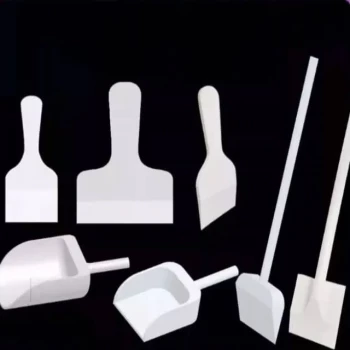
- Customizable PTFE Scrapers and Shovels for Demanding Applications
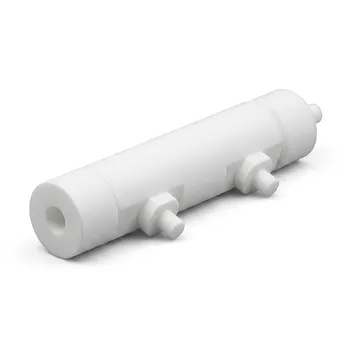
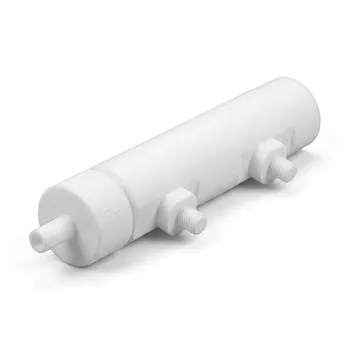
- Custom PTFE Electrolytic Cell Corrosion Resistant Low Background Reaction Vessel with Inlet Outlet Ports
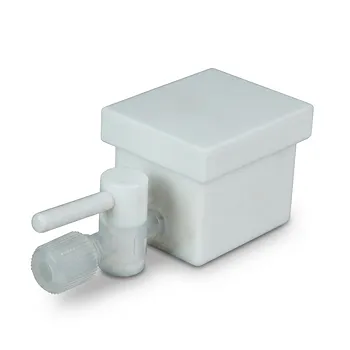
- Custom PTFE Corrosion Resistant Insulating Electrophoresis Reaction Cell with Septum and Valves for Low Background Trace Analysis
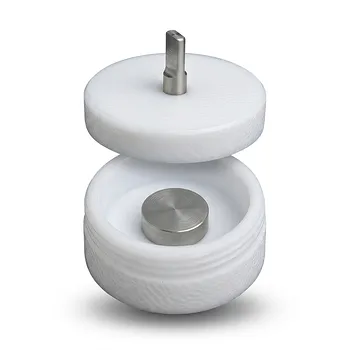
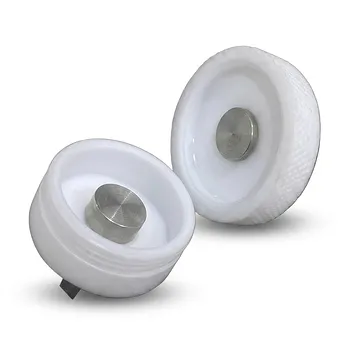
- Acid Resistant PTFE Button Cell Battery Test Fixture Customizable Machining High Purity Electrochemical Testing Clamp
- Corrosion Resistant PTFE Electrochemical Cell for New Energy Research Inert Insulating Customizable Lab Reaction Vessel
People Also Ask
- Why are PTFE shovels considered cost-effective? Maximize ROI with Superior Durability
- What are the key properties that make PTFE shovels ideal for laboratory use? Ensure Sample Integrity with Chemically Inert Tools
- How does the durability of PTFE shovels compare to plastic shovels? Discover the Superior Choice for Harsh Conditions
- What are the advantages of PTFE shovels in terms of chemical resistance? Unmatched Inertness for Handling Corrosives
- What are some specific applications of PTFE shovels in the laboratory? Ensure Sample Purity and Safety