The use of nickel foam as a current collector for Bi2MoO6 supercapacitors provides a high-performance three-dimensional scaffold that fundamentally improves charge storage and transport. This material offers a massive specific surface area for increased active material loading while creating a continuous metallic skeleton for rapid electron conduction. By facilitating deep electrolyte penetration into its open-pore structure, nickel foam significantly reduces internal resistance and enables stable performance during high-current cycling.
Core Takeaway: Nickel foam transforms the electrode from a flat interface into a 3D conductive network, maximizing the electrochemical utility of Bi2MoO6 by ensuring every part of the active material is accessible to both electrons and electrolyte ions.
Maximizing Active Material Loading
The Role of the 3D Porous Network
Unlike traditional flat foils, nickel foam possesses a three-dimensional interconnected architecture that dramatically increases the available surface area. This structure allows for a much higher mass loading of the active Bi2MoO6 slurry or nanostructures within the same footprint.
Mechanical Stability and Support
The metallic skeleton of nickel foam acts as a robust mechanical support for the active material. This ensures that the Bi2MoO6 remains in firm electrical contact with the collector, preventing delamination during the physical expansion and contraction that occurs during rapid charge-discharge cycles.
Enhancing Kinetic Efficiency
Efficient Electron Conduction Pathways
Nickel foam is highly conductive, providing a seamless 3D electron conduction network throughout the entire thickness of the electrode. This minimizes contact resistance and ensures that electrons generated during redox reactions are collected and transported with minimal energy loss.
Rapid Electrolyte Ion Migration
The open microporous structure of the foam allows electrolytes, such as 6 M KOH, to penetrate deep into the electrode layer. This "open-cell" design reduces ion diffusion resistance, allowing for high-rate performance because the ions do not have to travel through long, tortuous paths to reach the active Bi2MoO6 sites.
Understanding the Trade-offs
Volumetric Energy Density Constraints
While the high porosity of nickel foam is excellent for ion transport, it inherently occupies more space than a thin metal foil. This can lead to a lower volumetric energy density, meaning the battery or supercapacitor may be physically larger for the amount of energy it stores.
Parasitic Mass and Potential Side Reactions
The mass of the nickel foam itself adds "dead weight" to the device, which can lower the overall gravimetric energy density if the loading of Bi2MoO6 is not optimized. Additionally, in certain voltage windows or electrolyte conditions, the nickel surface itself might participate in side reactions that could affect long-term stability.
How to Apply This to Your Project
When selecting nickel foam for Bi2MoO6 electrodes, your choice should align with your specific performance targets.
- If your primary focus is High Power Density: Prioritize nickel foam with higher porosity and larger pore sizes to ensure the fastest possible electrolyte infiltration and ion movement.
- If your primary focus is High Energy Capacity: Focus on maximizing the loading of Bi2MoO6 within the foam pores and ensuring the material is evenly distributed to utilize the entire 3D surface.
- If your primary focus is Long Cycle Life: Ensure the Bi2MoO6 is synthesized or deposited in a way that creates a strong chemical bond with the nickel skeleton to prevent material shedding over time.
By leveraging the 3D architecture of nickel foam, you can effectively overcome the kinetic bottlenecks of bismuth molybdate and create a highly responsive energy storage device.
Summary Table:
| Benefit | Impact on Performance | Mechanism |
|---|---|---|
| 3D Porous Network | High Active Material Loading | Increases surface area for Bi2MoO6 integration |
| Metallic Skeleton | Rapid Electron Conduction | Seamless pathways minimize internal resistance |
| Open-cell Design | High-rate Performance | Facilitates deep electrolyte ion penetration |
| Mechanical Support | Long Cycle Life | Prevents delamination during charge-discharge cycles |
Elevate Your Energy Storage Research with KINTEK
Maximize your laboratory efficiency and precision with KINTEK. We specialize in high-performance fluoropolymer solutions and advanced laboratory components designed for rigorous material analysis.
Whether you need standard labware (beakers, crucibles, centrifuge tubes), high-purity trace analysis instruments, or specialized battery testing fixtures and electrode accessories, our end-to-end custom CNC fabrication ensures a perfect fit for your research. From hydrothermal synthesis liners and microwave digestion vessels to complex fluid transfer components, we deliver everything you need in high-performance PTFE and PFA.
Ready to scale your project from basic consumables to custom-machined reactors? Contact us today to discuss how our bespoke laboratory setups can support your next scientific breakthrough!
References
- Anu ., Kamlesh Yadav. Microwave-synthesized Bi <sub>2</sub> MoO <sub>6</sub> nanoplates for high performance symmetric and asymmetric supercapattery devices. DOI: 10.1039/d5ma00647c
This article is also based on technical information from Kintek Knowledge Base .
Related Products
- Customizable PTFE Scrapers and Shovels for Demanding Applications
- Corrosion Resistant PTFE Sampling Cup Custom Fabricated PTFE Sampling Scoop Laboratory Fluoropolymer Sampling Tools
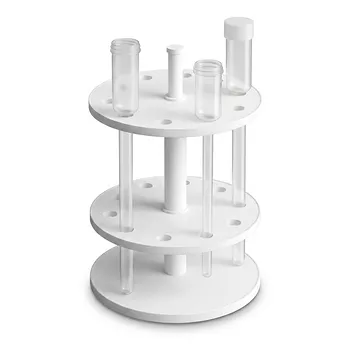
- Custom PFA Micro Column Rack and PTFE Machined Storage Solutions for Trace Analysis
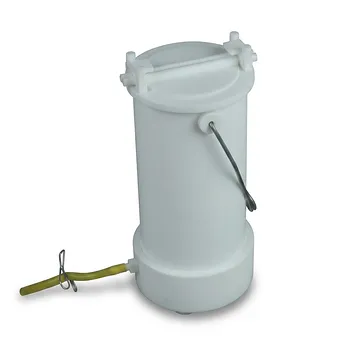
- Custom PTFE Deep Water Sampler Corrosion Resistant Low Background Teflon Sampling Bucket
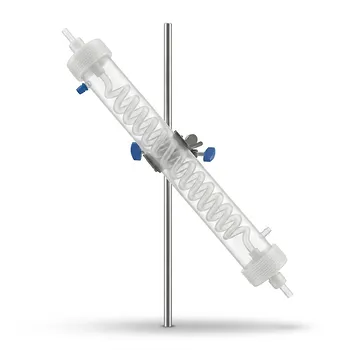
- Custom PFA Serpentine Straight Condenser HF Resistant Reaction Device Laboratory Cooling Column
People Also Ask
- Why are PTFE shovels considered cost-effective? Maximize ROI with Superior Durability
- What are the advantages of PTFE shovels in terms of chemical resistance? Unmatched Inertness for Handling Corrosives
- What are the key properties that make PTFE shovels ideal for laboratory use? Ensure Sample Integrity with Chemically Inert Tools
- What are some specific applications of PTFE shovels in the laboratory? Ensure Sample Purity and Safety
- How does the durability of PTFE shovels compare to plastic shovels? Discover the Superior Choice for Harsh Conditions