Polytetrafluoroethylene (PTFE) membranes maximize industrial dust collection efficiency by creating a high-performance non-stick surface that facilitates superior "cake release." This property ensures that dust particles do not become permanently embedded in the filter media, allowing the system to shed accumulated waste effortlessly during cleaning cycles. As a result, industrial operations experience sustained airflow, reduced energy consumption, and a significantly longer lifespan for filtration components.
PTFE’s exceptionally low coefficient of friction transforms the filtration process from depth-loading to surface-loading. This fundamental shift minimizes airflow resistance and maintenance requirements, directly translating to lower operational costs and higher process uptime.
Optimizing Flow Through Superior Cake Release
The Mechanics of Surface Filtration
Unlike standard porous materials that allow dust to penetrate deep into the fibers, PTFE membranes act as a surface-loading barrier. The non-stick nature of the membrane ensures that dust collects only on the outermost layer, forming a "cake" that does not bond to the filter.
Facilitating Effortless Cleaning Cycles
Because the PTFE surface is inherently "slick," the dust cake releases cleanly when the system undergoes a pulse-jet or mechanical cleaning cycle. This efficient release prevents the gradual buildup of residual dust, which is the primary cause of filter clogging and performance degradation.
Maintaining Optimal Pressure Drops
A clean release ensures the system maintains a sustained low pressure drop across the filter media. When pressure drop is kept to a minimum, the industrial fans required to move air through the system can operate at lower power levels, directly reducing energy consumption.
Long-Term Durability and Material Resilience
Extending Component Service Life
In abrasive or sticky environments, standard filter bags often fail prematurely due to material fatigue or irreversible clogging. PTFE membranes can extend the service life of filter bags by 2 to 8 times, offering a much higher return on investment despite higher initial material costs.
Resistance to Chemical Degradation
Industrial environments often involve exposure to aggressive substances that can weaken traditional filters. PTFE is chemically inert to nearly all acids, bases, and organic solvents, preventing the membrane from degrading or becoming brittle when exposed to corrosive gases or hydrofluoric acid.
Minimizing Mechanical Wear and Tear
The low-friction properties of PTFE reduce the physical stress on the filter media during cleaning pulses. By minimizing wear and tear, the membrane maintains its structural integrity longer, preventing the leaks or tears that lead to environmental compliance issues.
Understanding the Trade-offs
Initial Capital Investment
The primary trade-off when adopting PTFE membranes is the higher upfront cost compared to standard polyester or acrylic media. While the total cost of ownership is lower due to energy savings and longevity, the initial procurement requires a larger budget allocation.
Sensitivity to Installation and Handling
High-performance membranes are thin and can be sensitive to improper installation. If the membrane is scratched or creased during setup, the non-stick surface may be compromised, leading to localized "blinding" where dust begins to adhere to the damaged area.
Temperature and Application Limits
While PTFE is highly resilient, its performance must be matched to the specific temperature and moisture profile of the dust stream. In certain extreme conditions, the mechanical support material (the fabric the PTFE is bonded to) may fail before the PTFE membrane itself, necessitating a holistic approach to filter selection.
How to Apply This to Your Project
When integrating PTFE membranes into your dust collection strategy, align your choice with your facility's specific operational challenges.
- If your primary focus is reducing energy costs: Prioritize PTFE membranes to maintain the lowest possible pressure drop, allowing you to tune fan speeds for maximum electrical efficiency.
- If your primary focus is high-volume production: Use PTFE's non-stick properties to minimize downtime for filter changes and cleaning, ensuring continuous throughput in sticky or viscous environments.
- If your primary focus is harsh chemical processing: Leverage the chemical inertness of PTFE to prevent frequent filter failures caused by corrosive gases or aggressive solvents.
By prioritizing surface-loading technology, facilities can transform dust collection from a maintenance-heavy bottleneck into a streamlined, energy-efficient component of the production cycle.
Summary Table:
| Feature | Benefit | Operational Impact |
|---|---|---|
| Non-Stick Surface | Superior Cake Release | Prevents clogging and reduces cleaning downtime |
| Surface Loading | High Airflow Retention | Maintains low pressure drops and cuts energy costs |
| Chemical Inertness | Corrosion Resistance | Extends filter life by 2-8x in aggressive environments |
| Low Friction | Reduced Mechanical Wear | Minimizes material fatigue and prevents environmental leaks |
Elevate Your Efficiency with KINTEK's High-Performance Fluoropolymers
Maximize your operational uptime and material longevity with KINTEK. From everyday basic labware like beakers, crucibles, and centrifuge tubes to advanced reaction apparatus such as electrochemical cells and microwave digestion vessels, we specialize in high-performance PTFE and PFA solutions.
Whether you require high-purity trace analysis instruments, comprehensive fluid transfer components (tubing, valves, fittings), or bespoke laboratory setups, our end-to-end custom CNC fabrication is equipped to deliver precision-engineered parts and high-volume orders tailored to your exact specifications.
Ready to optimize your industrial or laboratory processes? Contact us today to see how our absolute focus on high-performance fluoropolymers can bring superior value to your facility.
Related Products
- PTFE Membrane Filter Holder for Aerosol Environmental Monitoring and Low Concentration Particulate Matter Sampling Chemical Resistant Air Quality Analysis Component
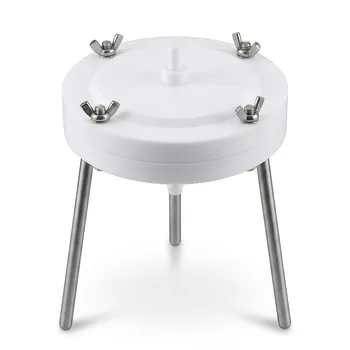
- PTFE Filter Membrane Holder 47mm Leak Proof Corrosion Resistant Environmental Sampling Unit Customizable
- PTFE Filter Membrane Holder for Hydrogen Chloride and Water Filtration 90mm Environmental Sampling Clamp Customizable
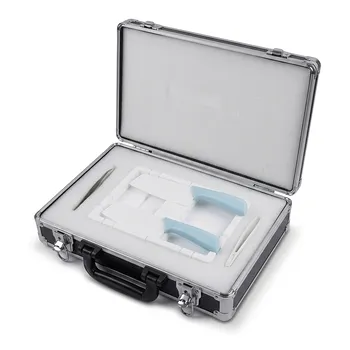
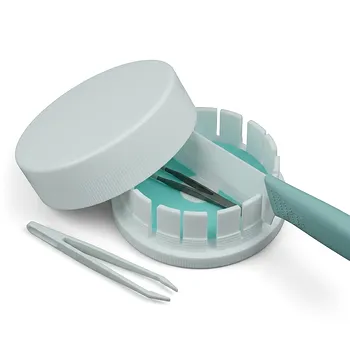
- High Purity PTFE Filter Membrane Cutter with Ceramic Blade for PM2.5 Analysis and Customizable Laboratory Filter Paper Splitter
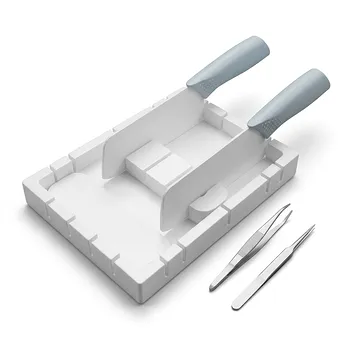
- High Purity PTFE Square Membrane Cutter Equipartition Device for Trace Analysis and Disease Control Centers Clean Non Stick No Leaching
People Also Ask
- How does the inherent hydrophobicity of PTFE filter membranes affect liquid and gas separation? Optimize Performance
- What are the structural characteristics and manufacturing principles of Polytetrafluoroethylene (PTFE) filter membranes?
- What is the thermal stability range for PTFE filter membranes? Master Extremes from -200°C to +260°C
- What is the chemical composition and temperature resistance of PTFE filter membranes? Essential Specs for Labs
- What are the performance advantages of PTFE filter membranes vs depth filters? Boosting Lab Purity and Efficiency