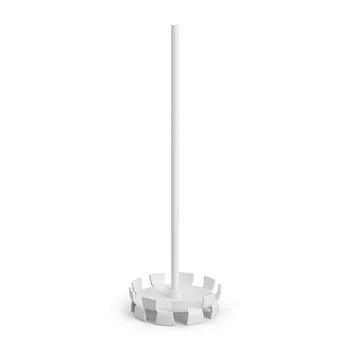
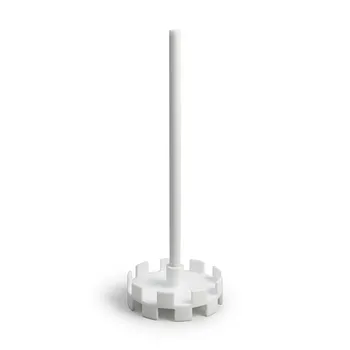
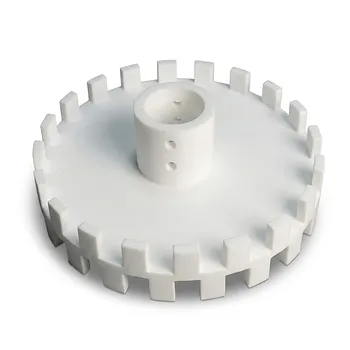
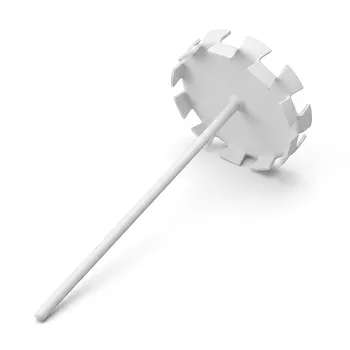
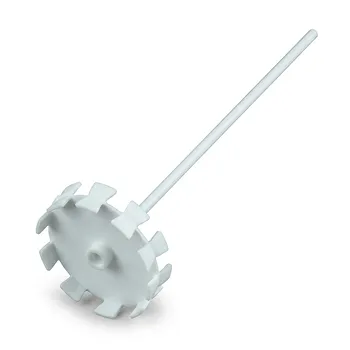
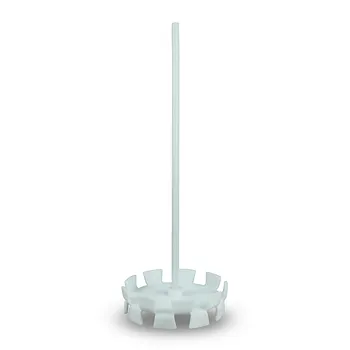
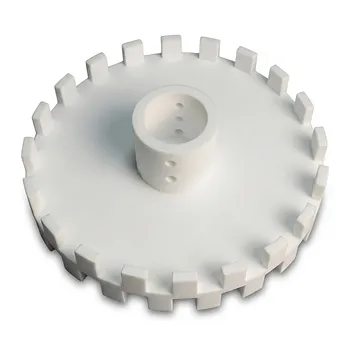
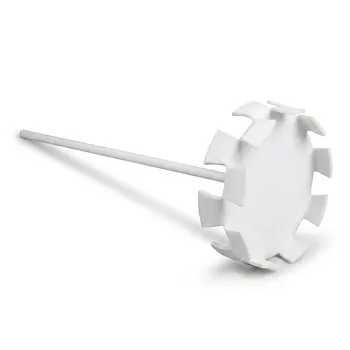
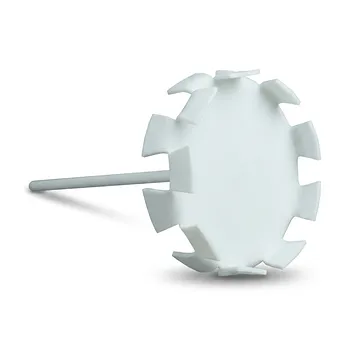
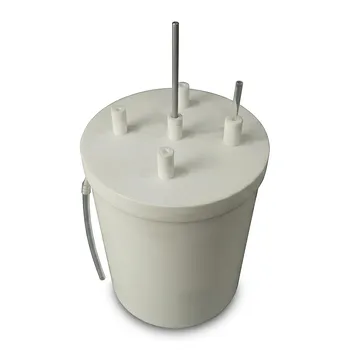
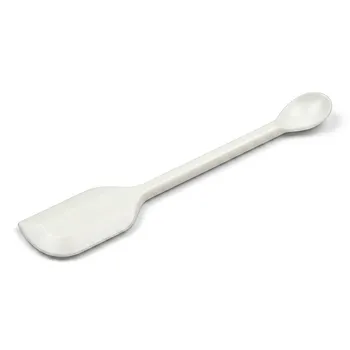
The function of a PTFE rotor in an overhead laboratory stirrer is to transform rotational energy into fluid motion through an inert mechanical interface. Specifically, a PTFE-encapsulated impeller—fused to a central shaft—spins within a liquid to generate axial or radial flow via viscous drag and shear forces. This design ensures that the stirring mechanism can operate in aggressive chemical environments without degrading or contaminating the sample.
Core Takeaway: A PTFE rotor serves as a chemically shielded impeller that provides the mechanical force necessary for mixing while maintaining absolute material integrity in corrosive or reactive reaction systems.
The Mechanics of Fluid Displacement
Generation of Flow Patterns
The PTFE rotor acts as a propeller or paddle that displaces liquid as it rotates. Depending on the blade geometry, it creates axial motion (up and down) or radial motion (side to side) within the vessel.
Viscous Drag and Shear
As the rotor spins, it relies on viscous drag to pull the surrounding fluid into motion. This process creates shear forces that are essential for breaking up droplets or dispersing solids into a solvent.
Energy Transfer Efficiency
By being fused directly to a PTFE-encapsulated shaft, the rotor ensures a stable transfer of kinetic energy from the motor to the medium. This rigid connection prevents the mechanical "slipping" often associated with magnetic stirring methods in high-viscosity fluids.
Material Advantages in Laboratory Synthesis
Total Chemical Inertness
The primary reason for using Polytetrafluoroethylene (PTFE) is its near-universal chemical resistance. It does not react with strong acids, bases, or organic solvents, which preserves the chemical integrity of the synthesis.
Prevention of Contamination
Unlike metal rotors which might leach ions into a solution, PTFE is chemically inert. This ensures that no impurities are introduced into the reaction, a critical requirement for high-purity pharmaceutical or analytical work.
Low Friction and Anti-Stick Properties
PTFE possesses an extremely low friction coefficient. This prevents materials from sticking to the rotor blades and reduces the mechanical load on the stirrer motor, even when handling "sticky" or highly cohesive substances.
Understanding the Trade-offs
Structural Limitations
PTFE is a relatively soft fluoropolymer compared to stainless steel or specialized alloys. Under extreme speeds or when mixing highly abrasive slurries, the rotor blades can experience physical wear or deformation over time.
Temperature Constraints
While PTFE is stable at high temperatures, it has a lower thermal distortion point than metal. In very high-temperature reactors, the rotor may lose some structural rigidity, potentially affecting the consistency of the mixing pattern.
Torque Handling
For extremely high-viscosity "thick" materials, a pure PTFE rotor may flex. In these specific cases, a metal-cored, PTFE-jacketed design is often required to provide the necessary stiffness while maintaining chemical protection.
Selecting the Right Rotor for Your Application
How to Apply This to Your Project
Choosing the correct rotor configuration depends on your specific volume, viscosity, and chemical reactivity requirements.
- If your primary focus is aggressive acid/base reactions: Utilize a fully encapsulated PTFE rotor to ensure the internal shaft material is never exposed to corrosive vapors.
- If your primary focus is high-viscosity mixing: Opt for a PTFE rotor with a reinforced internal core to prevent blade "flexing" and ensure consistent torque delivery.
- If your primary focus is ultra-pure analytical chemistry: Prioritize a high-grade PTFE finish to minimize surface porosity and prevent cross-contamination between batches.
By matching the rotor's geometry and material properties to your specific chemical environment, you ensure both the longevity of your equipment and the accuracy of your results.
Summary Table:
| Key Function | Technical Advantage | Ideal Application |
|---|---|---|
| Fluid Displacement | Creates axial or radial flow patterns for uniform mixing. | Large volume or heterogeneous mixtures. |
| Chemical Inertness | Prevents sample contamination and resists aggressive acids/bases. | Pharmaceutical synthesis and trace analysis. |
| Low Friction | Anti-stick properties reduce motor load and prevent residue buildup. | Highly cohesive or "sticky" substances. |
| Energy Transfer | Direct shaft fusion prevents the "slipping" seen in magnetic stirrers. | High-viscosity fluid processing. |
Optimize Your Lab Processes with KINTEK’s Fluoropolymer Expertise
Ensure absolute material integrity in your most aggressive chemical environments with KINTEK. From everyday basic labware like beakers, crucibles, and reagent bottles to specialized components like PTFE-encapsulated rotors, high-purity filtration tools, and fluid transfer valves, we provide the high-performance solutions your research demands.
Whether you require standard consumables—such as stirring bars, O-rings, and septa—or advanced reaction apparatus like custom electrochemical cells and microwave digestion vessels, our end-to-end CNC fabrication ensures precision for every part. We specialize exclusively in high-performance PTFE and PFA materials, delivering everything from high-volume orders to bespoke, non-standard machined setups.
Ready to upgrade your laboratory setup? Contact us today to discuss your custom requirements and experience the KINTEK difference in purity and performance.
Related Products
- Custom PTFE Dispersing Disc and Stirring Rod for Chemical Processing and Laboratory Mixing
- Corrosion Resistant PTFE Stirring Impeller and Customizable Polytetrafluoroethylene Dispersion Disk
- Corrosion Resistant PTFE Turbine Stirring Disk and High Performance Fluoropolymer Dispersion Impeller for Industrial Chemical Mixing
- High Purity Corrosion Resistant PTFE Dispersion Disk and Inert Stirring Paddle for Food Pharmaceutical and Cosmetic Mixing
- Corrosion Resistant PTFE Stirring Paddle and Customizable Toothed Dispersion Disk for Chemical Pharmaceutical Mixing
People Also Ask
- How do PTFE rods contribute to energy efficiency in industrial applications? Reduce Friction & Power Consumption
- What are PTFE rods and how are they manufactured? A Guide to Their Properties and Production
- What are the different types of PTFE rods available based on manufacturing technology? Choose the Right Type for Your Project
- How are PTFE rods utilized in electronic and electrical applications? Unlock Superior Performance & Reliability
- How are Teflon rods applied in the automotive and aerospace industries? Solve Friction, Heat, and Chemical Challenges