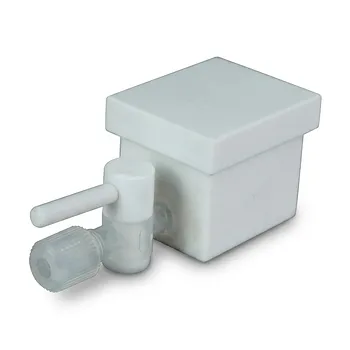
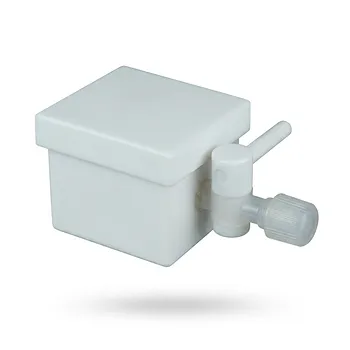
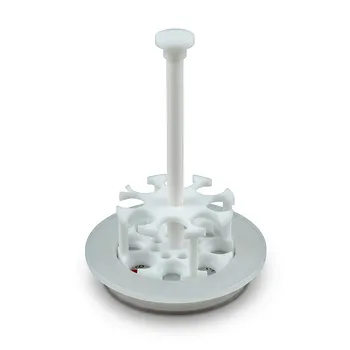
Temperature-controlled electrochemical test cells are the primary diagnostic tools used to validate the thermal stability and safety of energy systems operating in high-stress conditions. By simulating extreme thermal ranges—from -233 °C to +114 °C—these cells allow engineers to verify performance limits for aerospace and remote applications where standard batteries or fuel cells would otherwise fail.
Temperature-controlled cells provide the high-fidelity environment necessary to bridge the gap between theoretical performance and real-world reliability in extreme environments. They ensure that energy systems can survive and operate under the combined stressors of vacuum, radiation, and cryogenic temperatures.
Validating Performance in High-Stress Environments
Defining Thermal Stability and Safety Limits
The most significant benefit of these cells is the ability to map the safe operating window of an energy system. Testing across a wide temperature spectrum helps identify the exact point where chemical reactions become unstable or lose efficiency.
This is critical for preventing thermal runaway or catastrophic failure in environments where replacement is impossible.
Addressing Aerospace and Remote Requirements
In aerospace, systems must endure the vacuum of space and intense radiation while maintaining consistent power output. Temperature-controlled cells recreate these cryogenic conditions, ensuring that electrolyte fluids do not freeze or undergo detrimental phase changes.
For remote terrestrial applications, such as arctic sensors, these cells confirm that the energy system can self-start and sustain power despite sub-zero ambient temperatures.
Enhancing Measurement Accuracy Through Design
Minimizing Concentration Polarization
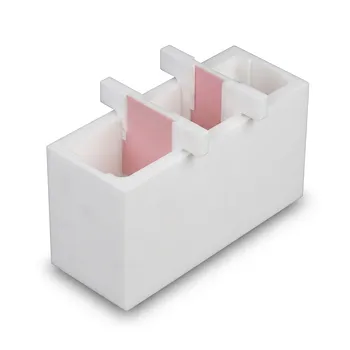
Advanced test cells often utilize a dual-chamber design to physically isolate high and low-concentration electrolyte solutions. This configuration forces ion flow through a central composite membrane, which is essential for isolating specific electrochemical behaviors.
Precision-engineered volumes within these chambers minimize concentration polarization, a phenomenon that can skew data by creating artificial resistance at the electrode surface.
Quantifying Core Electrochemical Metrics
These cells serve as the definitive platform for measuring membrane resistance, diffusion potential ($E_{diff}$), and short-circuit current ($I_{sc}$). By stabilizing the salinity gradient via a robust sealing structure, researchers can obtain repeatable, high-accuracy data.
Without this level of environmental and structural control, the internal resistance of the system might be masked by external noise or temperature-induced fluctuations.
Understanding the Trade-offs and Limitations
Mechanical Stress and Material Expansion
Operating at a range of -233 °C to +114 °C introduces significant mechanical stress on the test cell itself. Different materials expand and contract at different rates, which can lead to seal failures or micro-cracks in the composite membranes.
Maintaining a hermetic seal across a 300-degree temperature delta requires specialized gaskets and materials that may be significantly more expensive than standard components.
Thermal Lag and Gradient Issues
A common pitfall is failing to account for thermal lag, where the internal electrolyte temperature differs from the cell's external sensor reading. If the cell volume is too large, internal temperature gradients can form, leading to inconsistent ion flow and unreliable data.
Applying These Insights to Your Project
When selecting or designing a temperature-controlled electrochemical cell, your choice should be dictated by the specific "extreme" your system will face.
- If your primary focus is aerospace deployment: Prioritize cells capable of maintaining structural integrity at cryogenic temperatures (-233 °C) and those compatible with vacuum-chamber integration.
- If your primary focus is membrane efficiency and ion transport: Invest in dual-chamber designs that emphasize the stability of salinity gradients and the minimization of concentration polarization.
- If your primary focus is safety and thermal runaway prevention: Focus on cells with high-speed data logging and precise thermal ramp controls to identify the exact threshold of chemical instability.
Mastering the environment within the test cell is the only way to guarantee the reliability of the energy system outside of it.
Summary Table:
| Feature | Key Benefit for Extreme Environments |
|---|---|
| Temperature Range | Simulates environments from -233 °C to +114 °C |
| Safety Validation | Identifies thermal runaway limits and chemical instability thresholds |
| Dual-Chamber Design | Minimizes concentration polarization for high-accuracy metrics |
| Measurement Capability | Quantifies membrane resistance, diffusion potential ($E_{diff}$), and $I_{sc}$ |
| Application Focus | Validates aerospace, cryogenic, and remote terrestrial energy systems |
Elevate Your Electrochemical Testing with KINTEK
Precision in extreme environments demands high-performance materials. KINTEK specializes in manufacturing a comprehensive range of laboratory supplies crafted from high-purity PTFE and PFA to ensure chemical inertness and thermal stability for your most rigorous tests.
From advanced electrochemical cells, battery testing fixtures, and electrode accessories to essential fluid transfer components (tubing, valves, fittings) and general labware (beakers, crucibles, reagent bottles), we provide everything needed for high-fidelity research. Whether you require standard consumables or bespoke, custom CNC-fabricated non-standard parts and reaction apparatus like hydrothermal synthesis liners or microwave digestion vessels, KINTEK is your dedicated partner for fluoropolymer excellence.
Ready to build a more reliable energy system? Contact us today to discuss your custom laboratory requirements.
Related Products
- Corrosion Resistant PTFE Electrochemical Cell for New Energy Research Inert Insulating Customizable Lab Reaction Vessel
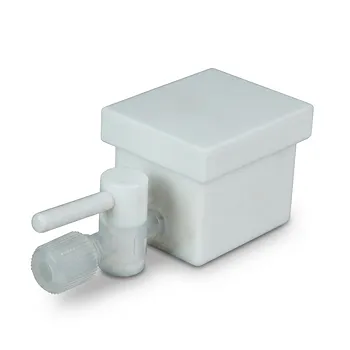
- Custom PTFE Reaction Box Opaque White Square Electrochemical Cell Tank
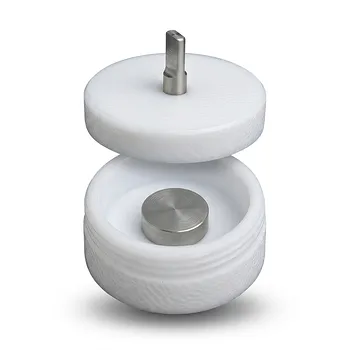
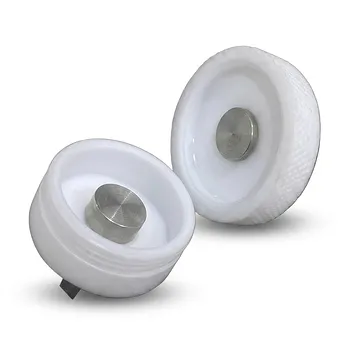
- Acid Resistant PTFE Button Cell Battery Test Fixture Customizable Machining High Purity Electrochemical Testing Clamp
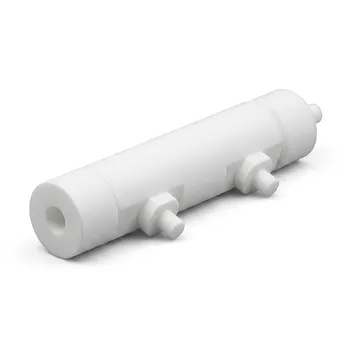
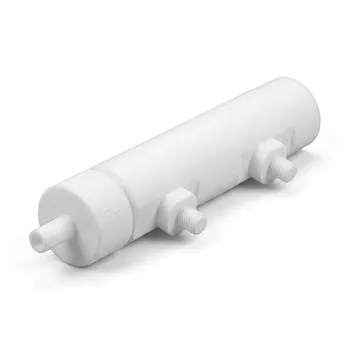
- Custom PTFE Electrolytic Cell Corrosion Resistant Low Background Reaction Vessel with Inlet Outlet Ports
- White PTFE Electrolytic Cell with Movable Slider and Insulated Lid for Fluorine Corrosion Resistance
People Also Ask
- How do custom PTFE electrochemical cells improve the accuracy of stability testing for alkaline catalysts compared to glass cells?
- How does the hydrophobicity of PTFE benefit electrochemical measurements? Enhance Stability and Precision in Your Lab
- What makes PTFE an ideal construction material for custom electrochemical cells and electronic analytical instrumentation housings? Discover superior chemical resistance and electrical insulation
- Why must seawater electrolysis test cells have high corrosion resistance? Protect catalyst stability & data accuracy.
- What are the key steps for structural integrity in molded PTFE lab reaction vessels? Master fine powder processing.