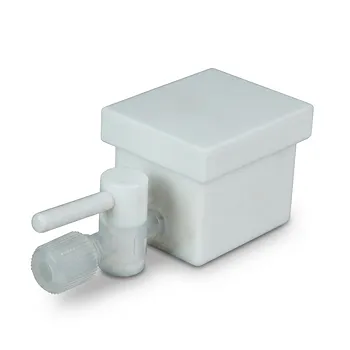
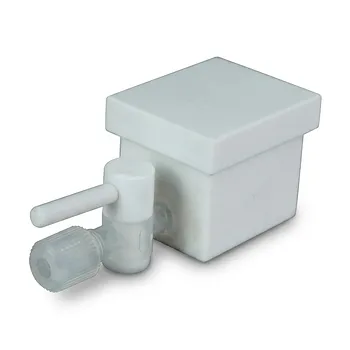
The primary reason for using inert materials like PTFE and glass is to ensure chemical and electrochemical data integrity. These materials prevent the leaching of impurity ions into the electrolyte and resist degradation when exposed to aggressive chemical environments. By remaining non-reactive, they ensure that the resulting data reflects the inherent properties of the sample rather than artifacts from the test container.
Choosing inert materials is about isolating the electrochemical reaction. By eliminating container-driven contamination and secondary redox reactions, researchers can achieve the high signal-to-noise ratios required for precise material characterization.
Ensuring Chemical Purity and Preventing Contamination
Preventing Ion Leaching
High-purity materials like PTFE (Polytetrafluoroethylene) and PFA (Perfluoroalkoxy) are essential because they do not release impurity ions into the solution. In sensitive experiments, such as collecting trace corrosion products or assessing catalyst activity, even microscopic levels of leached metal can lead to significant experimental errors.
Maintaining Electrolyte Integrity
Inert containers ensure that the electrolyte chemistry remains constant throughout the duration of the test. This is particularly vital for long-term immersion tests in 3.5 wt.% NaCl or other standardized corrosive media where the goal is to study the sample's inherent resistance.
Protecting Catalyst Activity
When testing new catalysts, the presence of external metal ions can interfere with the assessment of the true catalytic activity. Using fluoropolymer cells prevents these external ions from masking or enhancing the reaction, providing a clean baseline for measurement.
Resistance to Aggressive Media and High Temperatures
Durability in Strong Acids and Bases
Electrochemical testing often involves harsh environments, such as 1 M KOH or concentrated acidic solutions. Materials like PTFE and PEEK possess exceptional resistance to these strong alkalis and acids, ensuring the cell does not undergo structural degradation during the experiment.
Stability at Elevated Temperatures
Many electrochemical processes are temperature-dependent and require heated electrolytes. Inert materials are selected for their ability to maintain physical and chemical stability at high temperatures, preventing the cell from warping or reacting with the sample as thermal energy increases.
Resistance to Chloride Attack
Chlorides are notoriously aggressive toward many laboratory materials, causing pitting or stress corrosion. Glass and high-grade polymers are preferred because they are immune to chloride-induced degradation, making them ideal for seawater simulations.
Electrical Insulation and Electrochemical Stability
The Importance of a Wide Electrochemical Window
PTFE is prized for having a very wide electrochemical window, meaning it does not participate in redox reactions over a broad range of voltages. This ensures that the current measured during cyclic voltammetry or charge-discharge cycles comes exclusively from the electrodes.
Eliminating Leakage Currents
Inert polymers provide superior electrical insulation, which is critical for isolating the electrical path between the working, counter, and reference electrodes. This insulation effectively eliminates interference from leakage currents, which can otherwise distort high-precision data.
Precision Machining for Sealing
Customized PTFE cells allow for high-precision machining to ensure tight fluid sealing and exact electrode spacing. This prevents electrolyte evaporation and maintains a stable geometry, which is necessary for reproducible electrochemical impedance spectroscopy (EIS) results.
Understanding the Trade-offs
Material Limitations and Vulnerabilities
While highly inert, glass is susceptible to etching by hydrofluoric acid (HF) and can be slowly attacked by hot, concentrated phosphoric acid or strong alkalis. In these specific cases, fluoropolymers like PTFE must be used instead to avoid silica contamination.
Mechanical vs. Chemical Properties
PTFE is chemically nearly universal but is a "soft" plastic that can undergo cold flow or deformation under high mechanical pressure. Conversely, PEEK offers much higher mechanical strength and rigidity but may have slightly lower chemical resistance in certain specialized organic solvents compared to fluoropolymers.
Transparency and Observation
A significant trade-off involves visibility. Glass allows for the visual monitoring of bubble formation or color changes at the electrode surface, whereas PTFE is opaque, requiring researchers to rely entirely on electronic data unless specialized viewing ports are integrated.
How to Apply This to Your Project
Choosing the Right Material for Your Goal
To select the optimal construction material, evaluate the specific chemical and mechanical demands of your electrochemical application.
- If your primary focus is testing in strong alkaline media (e.g., 1 M KOH): Use PTFE or PFA cells, as glass will eventually etch and introduce silicates into your reaction.
- If your primary focus is visual observation of gas evolution: Use a borosilicate glass cell to allow for clear optical monitoring of the electrode surface.
- If your primary focus is high-pressure or high-flow environments: Use PEEK for its superior mechanical strength and ability to maintain tight seals under stress.
- If your primary focus is trace metal analysis or ultra-pure corrosion studies: Stick exclusively to high-purity PTFE or PFA to eliminate the risk of ion leaching.
Selecting the correct inert material is the foundational step in guaranteeing that your electrochemical results are both accurate and reproducible.
Summary Table:
| Material | Key Benefits | Ideal Applications |
|---|---|---|
| PTFE / PFA | Universal chemical resistance, zero ion leaching, wide voltage window | Trace analysis, strong acids/bases, high-purity research |
| Borosilicate Glass | Excellent transparency, thermal shock resistance, structural rigidity | Visual monitoring of gas evolution, general electrochemical tests |
| PEEK | High mechanical strength, maintains seals under pressure | High-pressure cells, flow battery testing, mechanical stress |
| Quartz | High temperature stability, UV transparency | Photo-electrochemical studies, high-heat applications |
Elevate Your Research with Precision-Engineered Fluoropolymer Solutions
Don't let container-driven contamination compromise your electrochemical data. KINTEK specializes in manufacturing high-performance laboratory supplies crafted exclusively from PTFE and PFA to ensure absolute chemical purity and data integrity.
From everyday consumables like beakers, stirring bars, and centrifuge tubes to advanced standard or custom electrochemical cells, battery testing fixtures, and microwave digestion vessels, we offer a comprehensive range of tools tailored for your most sensitive applications. Leveraging our end-to-end custom CNC fabrication, we can deliver everything from complex non-standard machined parts to high-volume orders of high-purity fluid transfer components and sample prep tools.
Ready to upgrade your lab setup? Contact KINTEK today to discuss your bespoke project requirements and discover how our expertise in fluoropolymer materials can provide the reliability your research demands.
Related Products
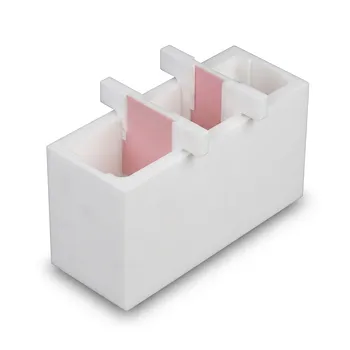
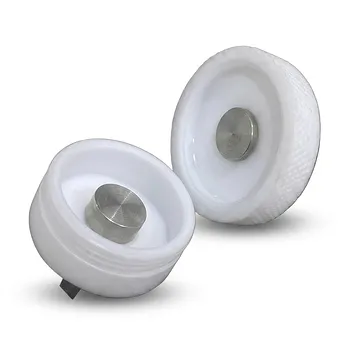
- Corrosion Resistant PTFE Electrochemical Cell for New Energy Research Inert Insulating Customizable Lab Reaction Vessel
- Square PTFE Electrochemical Cell for Silicon Wafer Processing and Hydrofluoric Acid Resistance in Semiconductor and New Energy Research
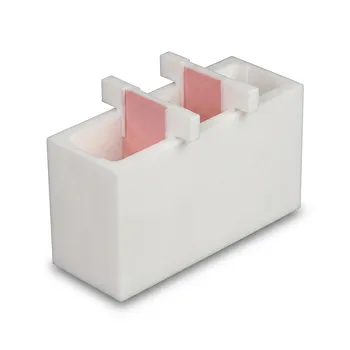
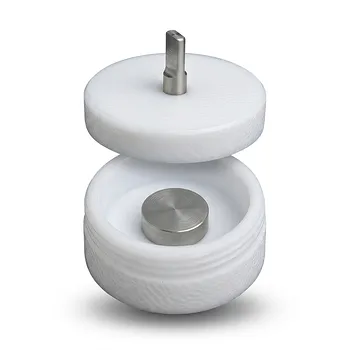
- White PTFE Electrolytic Cell with Movable Slider and Insulated Lid for Fluorine Corrosion Resistance
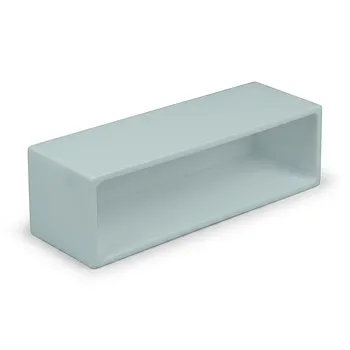
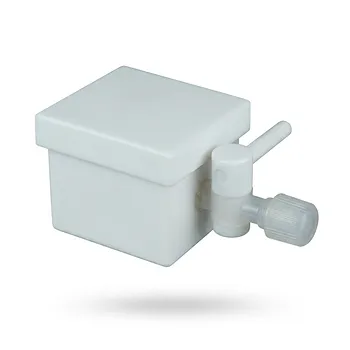
- Custom PTFE Reaction Box Opaque White Square Electrochemical Cell Tank
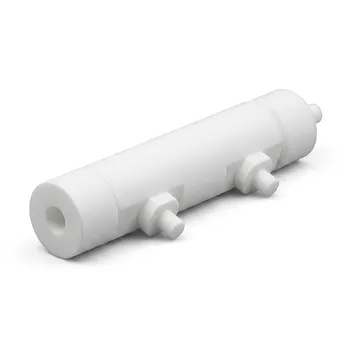
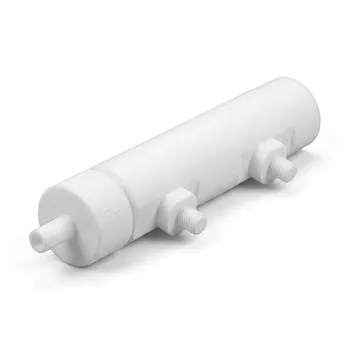
- Custom PTFE Electrolytic Cell Corrosion Resistant Low Background Reaction Vessel with Inlet Outlet Ports
People Also Ask
- How do custom PTFE electrochemical cells improve the accuracy of stability testing for alkaline catalysts compared to glass cells?
- How does the hydrophobicity of PTFE benefit electrochemical measurements? Enhance Stability and Precision in Your Lab
- Why must seawater electrolysis test cells have high corrosion resistance? Protect catalyst stability & data accuracy.
- What are the key steps for structural integrity in molded PTFE lab reaction vessels? Master fine powder processing.
- Why pretreat an electrochemical cell with nitrogen for HER? Eliminate Oxygen to Ensure Precise Kinetic Data