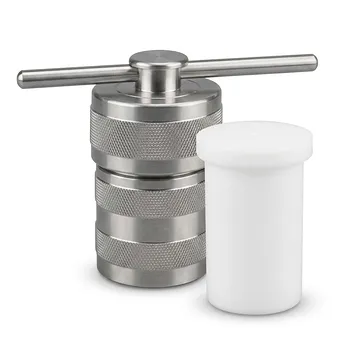
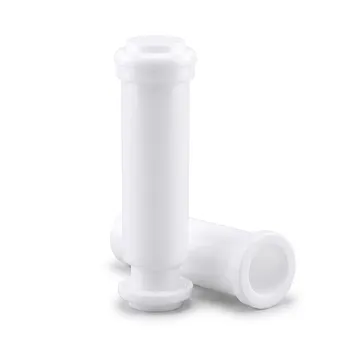
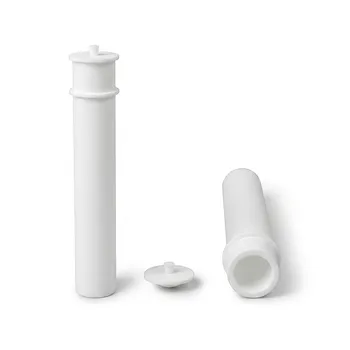
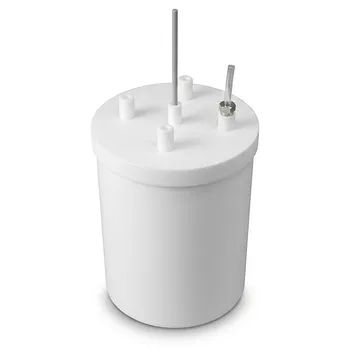
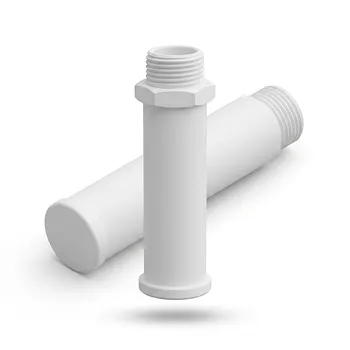
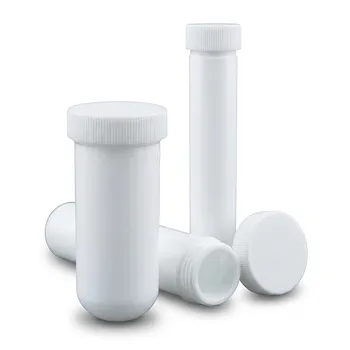
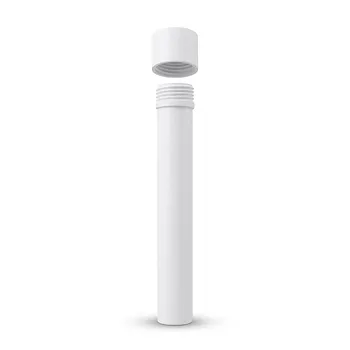
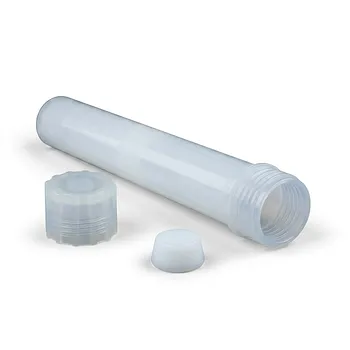
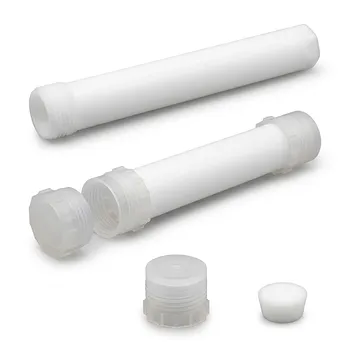
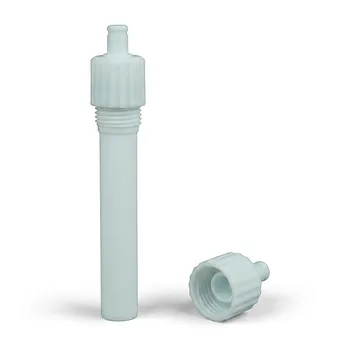
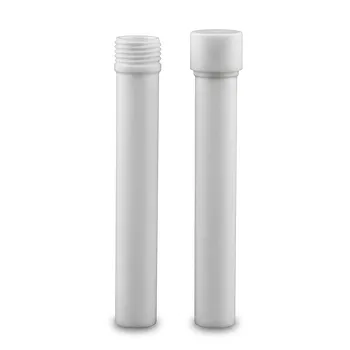
Analyzing silicon in rice stems requires high-pressure digestion systems because these biological tissues contain dense, silicified cells that are exceptionally resistant to standard dissolution. High-pressure vessels, constructed from specialized fluoropolymers, enable the use of extreme temperatures and aggressive acids—including hydrofluoric acid—to fully mineralize the organic matrix. This process is the only way to ensure silicon is completely released and converted into a detectable ionic state for accurate quantification.
To achieve accurate silicon analysis in rice, you must overcome the extreme chemical resistance of silicified tissues. High-pressure fluoropolymer systems provide the necessary thermal and chemical environment to fully mineralize these samples while preventing contamination and sample loss.
The Challenge of Silicified Biological Matrices
The Structural Resistance of Rice Stems
Rice stems are unique in their high density of silicified cells, which function as a structural defense mechanism for the plant. These cells create a rigid, "stony" matrix that is effectively shielded from most mild chemical reagents.
The Need for Total Mineralization
To measure the total silicon content, the entire organic and mineral structure must be completely broken down. Without full mineralization, silicon remains trapped within the cellular fragments, leading to significant underreporting of the actual concentration.
The Role of High-Pressure and Temperature
Overcoming Chemical Inertness
Standard boiling points of acids at atmospheric pressure are often insufficient to dissolve silicified tissues. High-pressure vessels allow the digestion chemistry to reach temperatures far exceeding their normal boiling points, dramatically increasing the kinetic energy and "attacking" power of the acids.
Compatibility with Aggressive Reagents
Analyzing silicon often requires hydrofluoric acid (HF) to break the strong silicate bonds, often used alongside nitric or perchloric acids. Only high-pressure systems designed for these reagents can safely contain the resulting volatile reactions and ensure the silicon is converted into a detectable ionic state.
Material Integrity: Why Fluoropolymers Matter
Chemical Inertness of PFA and PTFE
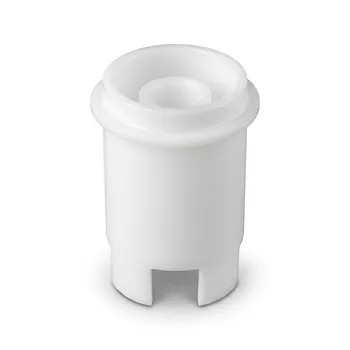
Digestion vessels must be crafted from high-performance fluoropolymers like PTFE, TFM, or PFA. These materials are chosen for their exceptional resistance to strong oxidizing acids and their ability to remain stable under intense heat and pressure.
Preventing Leaching and Adsorption
High-purity fluoropolymers minimize the adsorption of trace elements onto the container walls. They also prevent the leaching of impurities from the vessel itself into the sample, which is critical for maintaining the low background levels required for trace analysis.
Ensuring Analytical Precision and Safety
Preventing Volatile Loss
Many target elements can become volatile during high-temperature digestion. A sealed, high-pressure system prevents the loss of these volatile components, ensuring that the final sample reflects the true concentration of the original tissue.
Eliminating External Contamination
Because these systems are closed, they protect the sample from environmental contaminants found in the laboratory air. This is vital for high-precision techniques like ICP-OES, where even microscopic amounts of dust can skew results.
Understanding the Trade-offs and Risks
Safety Hazards of High-Pressure Systems
Operating at extreme pressures carries inherent risks of vessel failure or explosive decompression if not monitored correctly. Users must strictly adhere to the manufacturer’s pressure limits and ensure that pressure-relief mechanisms are fully functional.
The Complexity of Hydrofluoric Acid
While HF is necessary for silicon dissolution, it is highly toxic and requires specialized safety protocols and calcium-based first aid kits. Furthermore, HF can damage glass components in downstream analytical instruments, necessitating the use of HF-resistant sample introduction systems.
How to Apply This to Your Project
When selecting a digestion strategy for silicon analysis in rice tissues, consider your primary analytical goal:
- If your primary focus is absolute accuracy for silicon: You must use high-pressure vessels with a dedicated HF-acid digestion protocol to ensure total dissolution of silicified cells.
- If your primary focus is high-throughput trace metal analysis: Utilize microwave-assisted digestion systems with PTFE/TFM liners to achieve rapid mineralization while maintaining a sealed, contamination-free environment.
- If your primary focus is preventing sample loss of volatile elements: Ensure your digestion system is a completely closed-vessel design to prevent the escape of gaseous ions during the high-temperature phase.
Selecting the correct high-pressure instrumentation is not merely a preference, but a technical necessity for overcoming the structural defenses of rice stems.
Summary Table:
| Key Requirement | Role in Silicon Analysis | Recommended Solution |
|---|---|---|
| Structural Breakdown | Overcomes dense, stony silicified cells in rice stems | High-pressure digestion vessels |
| Chemical Resistance | Withstands aggressive HF and nitric acid mixtures | High-purity PFA or PTFE liners |
| Thermal Energy | Enables temperatures above atmospheric boiling points | Sealed digestion instruments |
| Analytical Purity | Prevents trace element leaching and sample adsorption | Trace-metal grade fluoropolymers |
| Sample Integrity | Prevents loss of volatile silicon compounds | Completely closed-vessel systems |
Optimize Your Trace Analysis with KINTEK Fluoropolymer Expertise
Achieving precise silicon quantification in complex biological matrices like rice stems requires more than just standard equipment—it demands materials that can withstand the most aggressive chemical environments. At KINTEK, we specialize exclusively in high-performance fluoropolymers, providing the reliability you need for high-pressure mineralization.
From high-purity PFA and PTFE digestion vessels, beakers, and centrifuge tubes to comprehensive fluid transfer components (tubing, fittings, valves) and sample prep tools, KINTEK manufactures virtually every laboratory supply you can imagine. Our capabilities extend to advanced reaction apparatus, including custom microwave digestion vessels and hydrothermal synthesis liners, all backed by end-to-end custom CNC fabrication for bespoke laboratory setups.
Whether you need high-volume consumables or a complex non-standard machined part, our focus on high-performance materials ensures your lab maintains the lowest background levels and highest safety standards.
Ready to elevate your lab's analytical precision? Contact us today to discuss your specific requirements and see how our fluoropolymer solutions can streamline your workflow.
References
- Hao Jiang, Zhihai Wu. Silicon Nutrition Improves Lodging Resistance of Rice Under Dry Cultivation. DOI: 10.3390/plants14030361
This article is also based on technical information from Kintek Knowledge Base .
Related Products
- PTFE Lined High Pressure Digestion Vessel 50ml High Temperature Hydrothermal Synthesis Tank
- 5ml High Pressure PTFE Digestion Vessel for Geological Mineral Analysis Corrosion Resistant Polytetrafluoroethylene TFM Digestion Inner Liner
- High Pressure PTFE Digestion Vessel Inner Cup Holder Custom Corrosion Resistant Low Background Teflon
- High Purity TFM Microwave Digestion Vessels for Trace Analysis and Custom Sample Preparation Systems
- High Performance TFM Microwave Digestion Vessel Rack 15 Position Customizable Sample Preparation Support
People Also Ask
- What are the benefits of using a PTFE-lined vessel for carbon-sulfur cathode treatment? Maximize Purity & Performance
- Why are PTFE-lined pressure digestion vessels required for the preparation of Ag/CeO2 catalysts? Purity & Performance
- What is the function of high-pressure PTFE digestion vessels in mineral analysis? Optimize Sample Mineralization
- What safety features are typically incorporated into high-pressure PTFE digestion vessel designs? Ensure Lab Safety
- What is the function of PTFE lined high-pressure vessels in g-C3N4 synthesis? Achieve High-Purity Material Growth