In electrochemical analysis, the selection of electrode materials is a matter of precision and chemical compatibility. Platinum wire and silver/silver chloride (Ag/AgCl) are used because they decouple the tasks of potential control and current flow. This configuration ensures that the measurements recorded reflect the intrinsic properties of the Ni-MOF material rather than the limitations of the testing environment.
The three-electrode system uses a platinum wire to complete the electrical circuit and an Ag/AgCl electrode to provide a stable voltage baseline. This separation allows researchers to isolate and measure the electrochemical kinetics of Ni-MOF materials with high accuracy and minimal systemic error.
The Role of the Platinum Counter Electrode
Exceptional Chemical Stability
Platinum (Pt) is chosen primarily for its electrochemical inertness, particularly in the strong alkaline electrolytes (like KOH) often used for Ni-MOF testing. It does not dissolve or participate in the redox reactions intended for the working electrode.
This stability prevents metal ion contamination, which could otherwise migrate to the Ni-MOF and skew the performance data.
Efficient Current Balancing
The platinum wire serves as the counter electrode, completing the circuit so that current can flow through the cell. Its high electrical conductivity ensures that the system is not bottlenecked by the auxiliary components.
By providing a large reaction interface and high catalytic activity, platinum facilitates the necessary balancing reactions (like oxygen or hydrogen evolution) without requiring excessive voltage.
Preventing Current Limitation
Because platinum is highly efficient at transferring charge, the rate of reaction at the counter electrode does not limit the redox processes occurring at the Ni-MOF working electrode.
This ensures that the measured current densities and specific capacitance values accurately represent the material's maximum potential.
The Role of the Ag/AgCl Reference Electrode
Providing a Stable Potential Baseline
The silver/silver chloride (Ag/AgCl) electrode acts as a constant reference point. Unlike the counter electrode, which fluctuates based on the current, the Ag/AgCl electrode maintains a fixed, reproducible potential.
This stability allows the electrochemical workstation to precisely monitor and control the potential difference applied specifically to the Ni-MOF material.
Eliminating Polarization Errors
In a two-electrode system, the potential of the counter electrode changes as it polarizes, making it impossible to know the exact voltage at the working electrode.
The Ag/AgCl electrode solves this by drawing virtually no current, effectively eliminating interference from counter-electrode polarization and systemic resistance (iR drop).
Ensuring Reproducibility
Ag/AgCl electrodes are favored for their reproducibility across different experiments. This allows researchers to compare the redox peaks and kinetic data of various MOF structures against a universal standard.
Understanding the Trade-offs and Limitations
Potential for Reference Contamination
While Ag/AgCl is stable, the internal filling solution (usually KCl) can leak through the porous frit into the electrolyte. In some specific sensitive Ni-MOF systems, chloride ion interference may affect the results or lead to catalyst poisoning.
Cost and Material Maintenance
Platinum is an expensive noble metal. While durable, the wire must be cleaned frequently (often via flame or acid treatment) to remove adsorbed impurities that could decrease its effective surface area and catalytic efficiency.
Electrolyte Compatibility
Ag/AgCl is highly reliable in aqueous environments, but its potential can shift if used in non-aqueous solvents or at extreme temperatures. Researchers must ensure the liquid junction potential is accounted for when switching between different electrolyte systems.
How to Apply This to Your Research
Recommendations for Experimental Design
- If your primary focus is high-current applications (Supercapacitors): Ensure your platinum wire has sufficient surface area to prevent the counter electrode from becoming the rate-limiting step during high-rate discharge.
- If your primary focus is long-term stability testing: Regularly check the Ag/AgCl electrode against a "master" reference to ensure no potential drift has occurred due to frit clogging or electrolyte dilution.
- If your primary focus is alkaline oxygen evolution (OER): Verify that the Ag/AgCl electrode is properly shielded or use a Mercury/Mercuric Oxide (Hg/HgO) reference, which is often more stable in highly basic pH levels.
By utilizing this specific electrode combination, you ensure that the electrochemical signature you record is a true reflection of your Ni-MOF’s performance.
Summary Table:
| Electrode | Role in System | Key Advantage | Why Choose This Material? |
|---|---|---|---|
| Platinum Wire | Counter Electrode (CE) | Electrochemical Inertness | High conductivity and catalytic activity without contamination. |
| Ag/AgCl | Reference Electrode (RE) | Stable Potential Baseline | Provides a constant voltage reference to eliminate polarization error. |
| Ni-MOF | Working Electrode (WE) | Material Under Study | Isolated measurements allow for accurate kinetic and redox analysis. |
Precision Labware for High-Performance Research
Elevate your electrochemical analysis with KINTEK. We specialize in high-performance fluoropolymer materials, manufacturing virtually all imaginable laboratory supplies from PTFE and PFA.
Whether you need everyday basic labware (beakers, crucibles, reagent bottles), fluid transfer components (tubing, fittings, valves), or advanced derivative apparatus like custom electrochemical cells and battery testing fixtures, we have you covered. Backed by end-to-end custom CNC fabrication, KINTEK delivers everything from complex non-standard machined parts to high-volume orders of sample prep and filtration tools.
Ensure the integrity of your Ni-MOF research with contamination-free, high-purity instruments designed for excellence.
Contact KINTEK today for bespoke laboratory setups and high-performance supplies!
References
- Ayman S. Eliwa, Mahmoud A. Hefnawy. Nickel Metal-Organic Framework-Based Surfaces for Effective Supercapacitor Application. DOI: 10.1007/s10904-024-03559-6
This article is also based on technical information from Kintek Knowledge Base .
Related Products
- Customizable PTFE Scrapers and Shovels for Demanding Applications
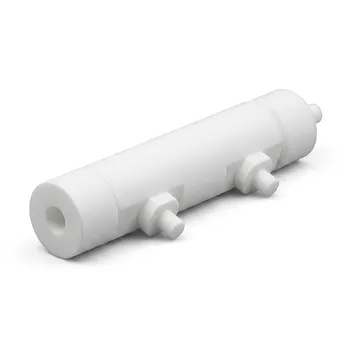
- Custom PTFE Electrolytic Cell Corrosion Resistant Low Background Reaction Vessel with Inlet Outlet Ports
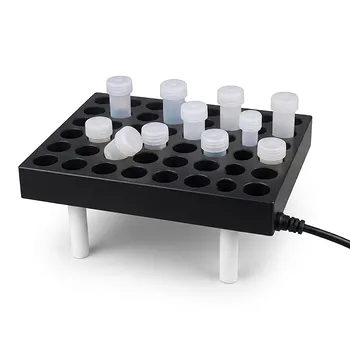
- Corrosion Resistant Heating Plate with Modified PTFE Coating 400x300mm Acid Resistant Laboratory Hot Plate Customizable Heating Solution
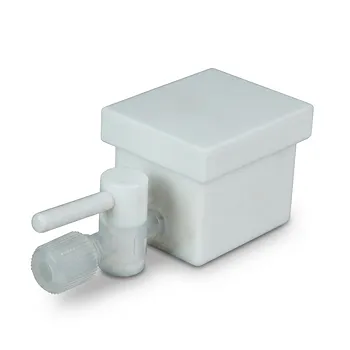
- Custom PTFE Corrosion Resistant Insulating Electrophoresis Reaction Cell with Septum and Valves for Low Background Trace Analysis
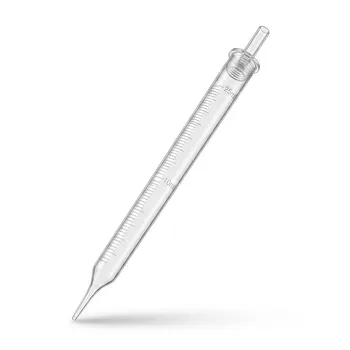
- PFA Laboratory Pipette Tips High Purity Fluoropolymer Pipetting Tubes for Electronic Pipettors Customizable Teflon Suction Tubes
People Also Ask
- Why are PTFE shovels considered cost-effective? Maximize ROI with Superior Durability
- What are some specific applications of PTFE shovels in the laboratory? Ensure Sample Purity and Safety
- What are the key properties that make PTFE shovels ideal for laboratory use? Ensure Sample Integrity with Chemically Inert Tools
- What are the advantages of PTFE shovels in terms of chemical resistance? Unmatched Inertness for Handling Corrosives
- How does the durability of PTFE shovels compare to plastic shovels? Discover the Superior Choice for Harsh Conditions