PTFE and PFA resist harsh chemicals and high temperatures because their carbon backbones are completely shielded by fluorine atoms and held together by exceptionally strong covalent bonds. The fully fluorinated structure limits access to the carbon chain, while the strength of the carbon-fluorine and carbon-carbon bonds makes chemical breakdown and thermal degradation difficult. As a result, PTFE and PFA laboratory equipment can remain chemically inert, insoluble, and structurally stable in demanding applications, with continuous-use temperatures commonly reaching approximately 260 °C.
The key advantage is molecular protection: fluorine forms a dense, low-reactivity sheath around the polymer backbone, while strong covalent bonds resist both chemical attack and heat-driven decomposition.
Why the Molecular Structure Matters
A Fully Fluorinated Carbon Backbone
PTFE consists of a carbon-carbon polymer backbone in which hydrogen is replaced by fluorine. PFA has a closely related perfluorinated structure, with a small amount of modified molecular architecture that makes it melt-processable while retaining much of PTFE's chemical resistance.
This high fluorine content is the foundation of their performance. The polymer contains very few chemically accessible sites that aggressive reagents can readily attack.
Fluorine Forms a Protective Sheath
Fluorine atoms closely surround the carbon backbone in a dense, symmetrical arrangement. Their atomic size and bonding geometry create a protective layer that physically restricts access to the underlying carbon chain.
This can be compared to insulation around an electrical conductor: the protected core remains present, but the surrounding layer prevents outside agents from interacting with it easily.
Strong Carbon-Fluorine Bonds
The carbon-fluorine bond is among the strongest common bonds in organic chemistry. Fluorine's high electronegativity creates a tightly held bond that is difficult to break under ordinary laboratory conditions.
The carbon-carbon backbone is also covalently bonded throughout the polymer. Together, these strong bonds make the material resistant to chain scission, oxidation, and other forms of chemical degradation.
Low Surface Energy
The fluorinated surface has very low surface energy and is both hydrophobic and oleophobic. Liquids spread poorly on it, and many substances have little tendency to wet, penetrate, or adhere to the surface.
This reduces absorption and helps prevent process fluids from becoming embedded in the material. It is particularly valuable in trace analysis, digestion vessels, and fluid-transfer components where contamination and sample carryover are concerns.
How These Features Resist Chemical Attack
Broad Resistance to Acids, Bases, and Solvents
Because reagents have difficulty reaching or reacting with the carbon backbone, PTFE and PFA resist a broad range of concentrated acids, alkalis, oxidizing and reducing agents, and organic solvents.
They generally do not dissolve in common laboratory solvents. They also show very low chemical swelling compared with many other polymers, which helps preserve dimensional stability during extended exposure.
Protection Against Leaching and Contamination
The same inert structure that prevents degradation also limits material contribution to the sample. Properly selected PTFE and PFA equipment is unlikely to leach significant constituents into aggressive process fluids under normal service conditions.
This makes these fluoropolymers useful for reagent bottles, tubing, crucibles, microwave digestion vessels, and vessels used in high-purity or trace-element work.
Resistance to Aggressive Processing Conditions
PTFE and PFA can tolerate severe acid digestions and other chemically demanding procedures without rapidly losing their integrity. Their resistance has also been demonstrated against exceptionally corrosive substances, although compatibility must always be evaluated for the exact chemical, concentration, temperature, pressure, and exposure time.
Chemical inertness is therefore a material property, not a substitute for an application-specific compatibility assessment.
Why PTFE and PFA Tolerate High Temperatures
Strong Bonds Slow Thermal Decomposition
Heating supplies energy that can break polymer bonds and initiate chain degradation. The strong covalent bonds in PTFE and PFA require substantial energy to disrupt, so the materials retain chemical stability at temperatures that would rapidly damage many conventional plastics.
Fluorine substitution also removes relatively reactive carbon-hydrogen sites found in hydrocarbon polymers. This contributes to lower flammability and improved resistance to thermal and oxidative attack.
Stable Performance Around 260 °C
PTFE and PFA components are commonly specified for continuous operating temperatures up to approximately 260 °C, depending on the product design and manufacturer.
This capability supports applications such as heated reaction systems, microwave digestion vessels, heating-block equipment, and high-temperature fluid transfer. The stated limit should be treated as a service condition, not as an indication that every chemical is safe at that temperature.
Thermal Resistance Preserves Chemical Purity
A material that softens, decomposes, or releases additives under heat can contaminate a sample even if it initially resists the reagent. PTFE and PFA combine thermal endurance with low extractables and chemical inertness, helping preserve the purity of reagents and analytical samples.
Their thermal performance is especially valuable when chemical exposure and heating occur simultaneously.
PTFE and PFA Are Not Identical
PTFE Prioritizes Maximum Inertness
PTFE is widely recognized for its exceptionally high chemical resistance and low friction. It is commonly used for vessels, liners, seals, tubing, and machined laboratory components.
Its processing characteristics are different from those of ordinary thermoplastics, so PTFE parts are often made through specialized forming or machining methods.
PFA Adds Melt Processability
PFA retains the fully fluorinated character of PTFE while being melt-processable. This allows manufacturers to produce more complex transparent vessels, tubing, and molded components.
PFA is often selected when the application requires PTFE-like chemical resistance together with weldability, transparency, or more convenient fabrication.
Understanding the Trade-offs
Extreme Resistance Has Chemical Exceptions
Molten alkali metals such as sodium and potassium can remove fluorine from the polymer chain. Highly reactive fluorinating agents, including elemental fluorine, chlorine trifluoride, and oxygen difluoride, can also attack fluoropolymers, particularly at elevated temperatures and pressures.
Strong Lewis bases, metal hydrides, and highly concentrated sodium or potassium hydroxide near the upper service-temperature limit require particular caution.
Temperature Can Change Compatibility
A chemical that is compatible at room temperature may become more aggressive when heated. Temperature can accelerate reaction rates, increase diffusion, and reduce the margin before polymer degradation begins.
Compatibility data should therefore match the actual operating temperature rather than relying only on a room-temperature chemical-resistance chart.
Mechanical Strength Is Not the Same as Chemical Resistance
PTFE and PFA may remain chemically intact while becoming softer, less rigid, or more susceptible to deformation at elevated temperatures. Pressure, mechanical loading, thermal cycling, and creep must be assessed separately from chemical compatibility.
Equipment used in pressurized or mechanically constrained systems needs a temperature- and pressure-rated design.
Decomposition Must Be Avoided
Although PTFE and PFA tolerate high service temperatures, exceeding their limits can cause decomposition and the release of hazardous products. Equipment should be operated within the manufacturer's temperature rating, with appropriate ventilation and process controls.
Making the Right Choice for Your Goal
Select the material and equipment design based on the complete operating environment, not on chemical resistance alone.
- If your primary focus is maximum chemical inertness: Choose PTFE or PFA for contact with aggressive acids, bases, solvents, and digestion reagents, while checking the exact chemical and temperature conditions.
- If your primary focus is transparency or melt-fabricated components: Consider PFA, which combines broad perfluoropolymer resistance with useful transparency and melt-processability.
- If your primary focus is high-temperature operation: Keep the process within the applicable continuous-use temperature limit, commonly around 260 °C, and evaluate pressure, creep, and thermal cycling separately.
- If your primary focus is trace analysis and sample purity: Use clean, properly conditioned PTFE or PFA components to minimize absorption, leaching, and sample carryover.
PTFE and PFA are exceptionally durable because their fluorinated molecular architecture protects a strong carbon backbone from both chemical reagents and thermal energy.
Summary Table:
| Feature | PTFE | PFA |
|---|---|---|
| Chemical Resistance | Excellent against most acids, bases, solvents | Excellent, similar to PTFE |
| Maximum Continuous Temp | ~260°C | ~260°C |
| Melt Processability | No (specialized forming/machining) | Yes (can be molded/welded) |
| Transparency | Opaque | Transparent possible |
| Typical Uses | Vessels, liners, seals, tubing, machined parts | Complex vessels, tubing, molded components |
| Key Advantage | Maximum inertness and low friction | Melt-processable with PTFE-like resistance |
Ensure your lab performs at its best in harsh chemical and high-temperature conditions. Choose KINTEK's precision-crafted PTFE and PFA labware, from digestion vessels to custom components, designed for utmost purity and durability. For applications demanding reliable performance, our experts are ready to assist. Contact us today to discuss your specific needs and benefit from our end-to-end CNC machining capabilities.
Related Products
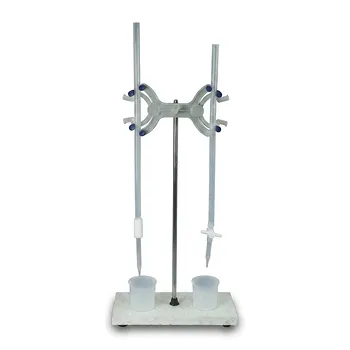
- High Purity PTFE PFA Burette Translucent Acid Base Resistant Reusable Laboratory Titration Equipment
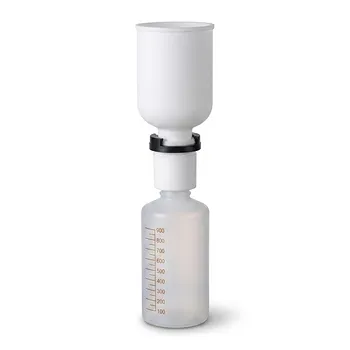
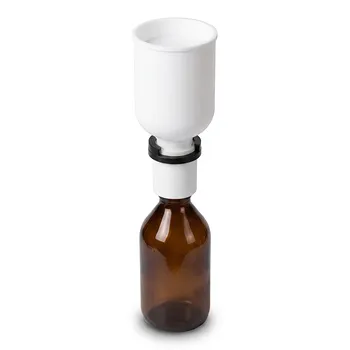
- PTFE PFA Vacuum Filtration System Corrosion Resistant Customizable Shatterproof Laboratory Device
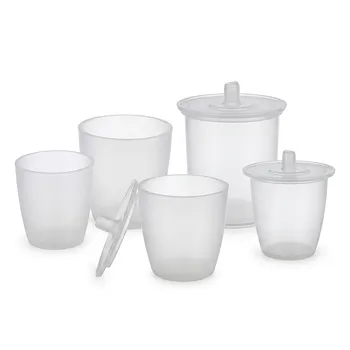
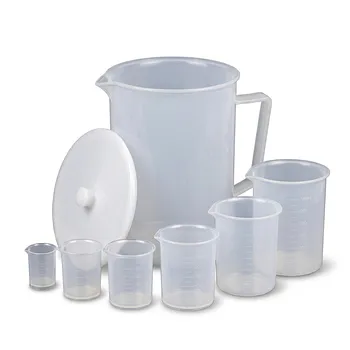
- High Purity PFA Crucible and Corrosion Resistant PTFE Beaker for Trace Analysis and Custom Laboratory Applications
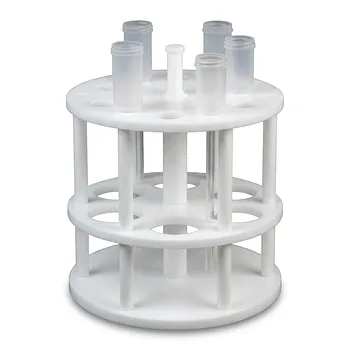
- Custom PFA Microcolumn Racks and PTFE Machined Low Background Corrosion Resistant Laboratory Fixtures
- Custom PFA Separatory Funnel Rack PTFE Machined Laboratory Support Stand Corrosion Resistant Low Background Fluoropolymer Fixture
People Also Ask
- What safety precautions and health considerations should be managed regarding polymer fume fever during the high-temperature use of PTFE and PFA laboratory equipment? Prevent fluoropolymer fume fever with proper thermal control and ventilation.
- How does high fluorination in perfluorinated polymers improve chemical resistance and thermal stability of lab apparatus? Discover the science behind PTFE and PFA's superior performance.
- What are the chemical compatibility limits and temperature ranges for PTFE and PFA lab consumables?
- Why use PTFE/PFA for pH adjustment in dye studies? Ensure chemical purity and reliable adsorption data accuracy.
- How do structural differences between PVDF and ETFE affect their chemical suitability for handling strong bases and polar solvents?