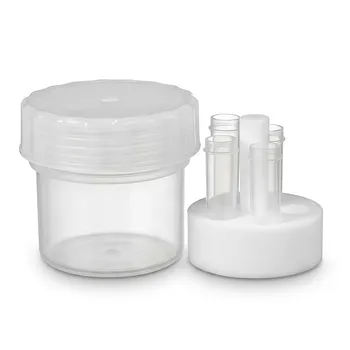
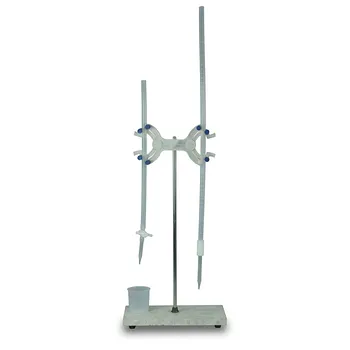
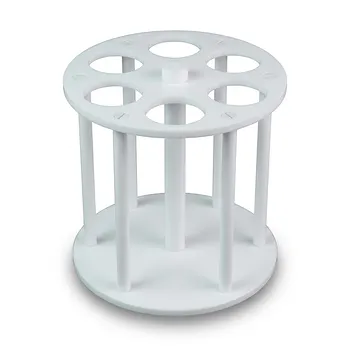
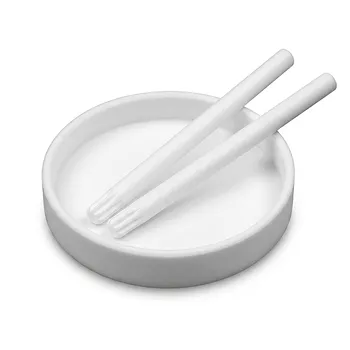
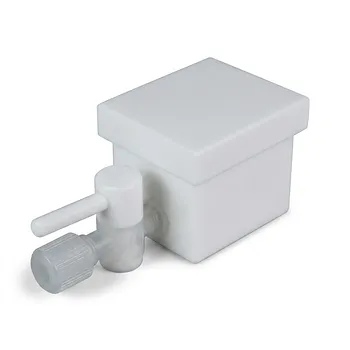
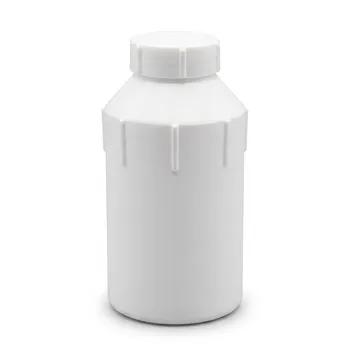
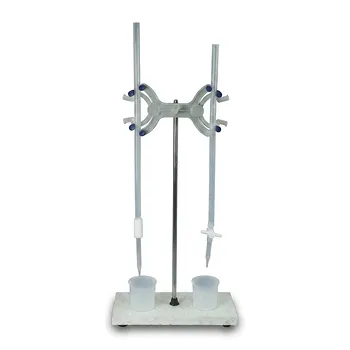
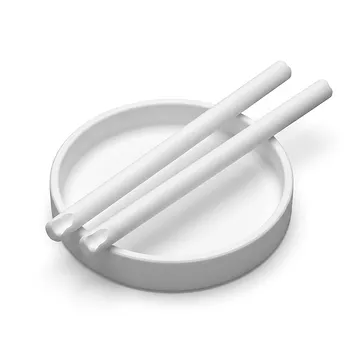
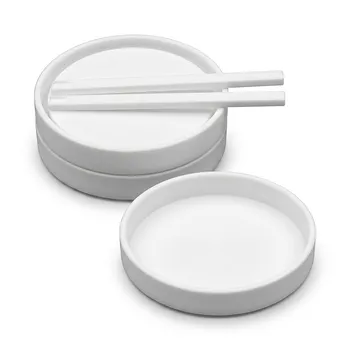
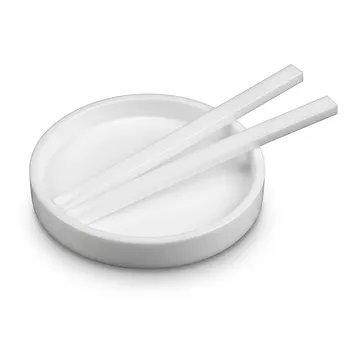
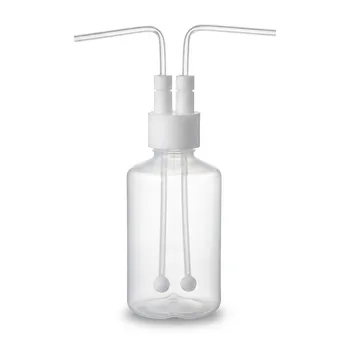
Maintaining chemical purity is the foundation of reliable adsorption data. Using high-performance fluoropolymers like PTFE (Polytetrafluoroethylene) or PFA (Perfluoroalkoxy) for pipette tips and containers prevents the leaching of impurity ions and plasticizers that occurs when standard labware reacts with strong acids or bases. This isolation ensures that the observed adsorption behavior and surface charge transitions are a direct result of the experimental variables rather than contamination from the vessel walls.
Core Takeaway: PTFE and PFA consumables provide a chemically inert environment that eliminates experimental bias, ensuring that pH-induced changes in dye adsorption reflect the true interaction between the adsorbent and the analyte.
Preventing Ionic Contamination and Interference
The Risk of Material Leaching
When adjusting pH with 0.1 M HCl or NaOH, standard plastic or low-quality glass can release trace metal ions or organic impurities into the solution. These leached substances can compete with dye molecules for active sites on the adsorbent, leading to underreported adsorption capacities.
Preserving the Chemical Environment
PTFE and PFA are exceptionally inert and do not react with corrosive substances like ammonia or high-concentration salts. Using these materials ensures that the electrolyte environment remains "clean," which is critical for maintaining the accuracy of trace analysis and catalytic activity studies.
Eliminating Plasticizer Interference
Unlike common laboratory plastics, high-purity fluoropolymers do not release plasticizers into the sample. This is vital when studying antibacterial activity or organic dye behavior, as leached organics could inadvertently alter the chemical properties of the dye solution.
Safeguarding Surface Charge Observations
Accuracy in Highly Alkaline Environments
In adsorption studies, the surface charge of the adsorbent often dictates the efficiency of dye removal, particularly at high pH levels like pH 10. PTFE and PFA withstand these alkaline conditions without degradation, allowing researchers to observe surface charge transitions with high precision.
Maintaining the Point of Zero Charge (PZC)
The interaction between a dye and an adsorbent is heavily dependent on the Point of Zero Charge. If the container leaches ions, the ionic strength of the solution changes, which can shift the PZC and lead to a fundamental misunderstanding of the adsorption mechanism.
Integrity of Electrochemical Environments
In studies involving salt solutions (such as 3.5 wt.% NaCl), PTFE and PFA prevent the introduction of impurity ions that could skew electrochemical readings. This ensures the results accurately reflect the inherent properties of the material being studied rather than the "noise" of container contamination.
Enhancing Sample Recovery and Durability
Non-Stick Properties for Complete Recovery
Fluoropolymers possess unique non-stick characteristics that prevent dye molecules from adhering to the container walls. This ensures that the measured concentration of the dye remains accurate and that the sample can be fully recovered for analysis.
Resilience in Harsh Thermal Conditions
In hydrothermal settings or experiments involving concentrated acid mixtures (like phosphoric and sulfuric acid), PTFE and PFA provide a necessary barrier against erosion. These materials maintain their structural integrity where metal or standard glass would fail or contaminate the product.
Simplified Cleaning and Maintenance
The chemical resistance of these materials facilitates thorough cleaning, as they can withstand aggressive decontamination protocols without surface pitting. This extends the service life of the labware while preventing cross-contamination between experimental runs.
Understanding the Trade-offs
Cost vs. Data Integrity
The primary drawback of PTFE and PFA consumables is their significantly higher cost compared to disposable polypropylene or standard glassware. However, this investment is typically justified in adsorption studies where even trace contamination can invalidate long-term research data.
Visibility and Measurement
PTFE is generally opaque, which can make it difficult to visualize volume levels or color changes during a reaction. While PFA is translucent and offers better visibility, researchers must often rely on precise weighing or calibrated pipetting to ensure accuracy when using these materials.
Thermal Expansion and Sealing
While highly heat-resistant, fluoropolymers have a high coefficient of thermal expansion. In high-pressure or high-temperature pH adjustments, ensuring a perfect seal requires specific designs, such as PFA-lined vessels, to prevent leaks or "creep" under stress.
How to Apply This to Your Project
Making the Right Choice for Your Goal
- If your primary focus is trace metal analysis: Utilize high-purity PFA containers to ensure that no background metal ions interfere with your detection limits.
- If your primary focus is high-pH adsorption (pH 10+): Use PTFE pipette tips and beakers to prevent the base-induced leaching common in glass or inferior plastics.
- If your primary focus is organic dye recovery: Prioritize PTFE labware for its superior non-stick properties to ensure that dye molecules do not bind to the vessel walls.
- If your primary focus is hydrothermal synthesis: Employ PTFE or PFA liners to create a chemically inert barrier against the corrosive effects of high-oxygen and acidic environments.
Choosing the correct fluoropolymer consumable transforms the container from a potential source of error into a reliable, neutral background for your chemical observations.
Summary Table:
| Feature | Benefit for Adsorption Studies | Material Advantage |
|---|---|---|
| Chemical Inertness | Prevents leaching of impurity ions and plasticizers. | High-purity PTFE/PFA polymers. |
| Surface Integrity | Ensures accurate Point of Zero Charge (PZC) observations. | Resistant to strong acids/bases (pH 1-14). |
| Non-Stick Surface | Maximizes dye recovery and prevents wall adhesion. | Low surface energy fluoropolymers. |
| Thermal Stability | Maintains integrity during hydrothermal or hot reactions. | High heat and erosion resistance. |
| Trace Analysis | Eliminates background noise for electrochemical readings. | Ultra-low metal ion background. |
Secure Your Research Integrity with KINTEK Fluoropolymer Solutions
Don't let material leaching compromise your adsorption data. KINTEK specializes in manufacturing high-performance laboratory supplies crafted exclusively from PTFE and PFA to ensure a neutral, contamination-free environment for your most sensitive experiments.
From everyday basic labware like beakers, measuring cylinders, crucibles, and reagent bottles to precision tools like pipettes, filters, and fluid transfer components (tubing, valves, fittings), we provide the inert barrier your research demands. For specialized applications, we offer advanced hydrothermal synthesis liners, microwave digestion vessels, and custom electrochemical cells tailored to your exact specifications via our end-to-end custom CNC fabrication.
Whether you need high-volume consumables or a bespoke laboratory setup, KINTEK delivers the absolute focus on fluoropolymer performance you need.
Contact KINTEK today to discuss your custom labware needs!
References
- Dayang Norafizan Awang Chee, Mohamed Afizal Mohamed Amin. Sustainable synthesis of CQD-modified ZIF-8 from sago hampas for improved methylene blue dye removal. DOI: 10.1007/s43832-025-00329-4
This article is also based on technical information from Kintek Knowledge Base .
Related Products
- High Purity PFA Crucible and Corrosion Resistant PTFE Beaker for Trace Analysis and Custom Laboratory Applications
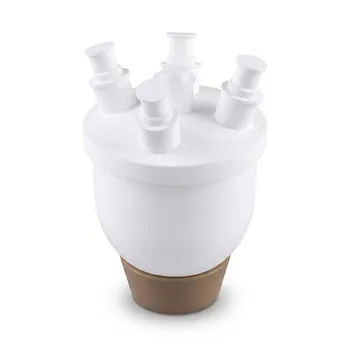
- High Performance Customizable PTFE Reaction Vessel and Corrosion Resistant Polytetrafluoroethylene Flask for Chemical Laboratory Use
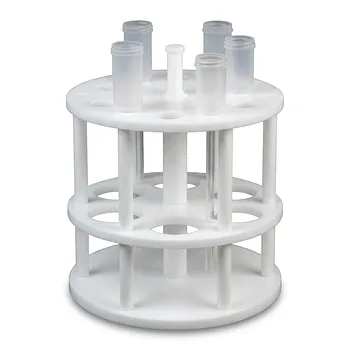
- Custom PFA Microcolumn Racks and PTFE Machined Low Background Corrosion Resistant Laboratory Fixtures
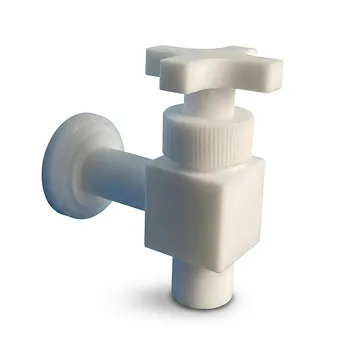
- Corrosion Resistant PTFE Polytetrafluoroethylene Valve and Customizable Laboratory Fluid Dispensing Faucet for Aggressive Chemical Handling in Industrial Storage Tanks and Plastic Drums
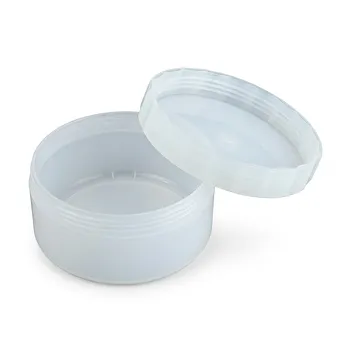
- Corrosion Resistant PFA Reaction Tank High Purity Laboratory Reaction Bottle Wide Mouth PTFE Jar Multiple Specifications
People Also Ask
- Why are high-purity vessels critical for BiFeO3 synthesis? Ensuring Phase Purity
- Why is the use of high-purity PFA or PTFE labware critical during TiO2 nanoparticle purification? Protect Sample Purity
- Why is high-purity PFA labware necessary for Znx@LS-2 zeolite ICP-OES analysis? Ensure Trace-Level Precision
- Why is high-purity PFA trace analysis labware used for MXene? Ensure Superior Material Integrity in Research
- What key material characteristics make PTFE and PFA suitable for high-purity laboratory labware, trace analysis containers, and medical microporous tubing? Discover the essential properties that ensure purity.