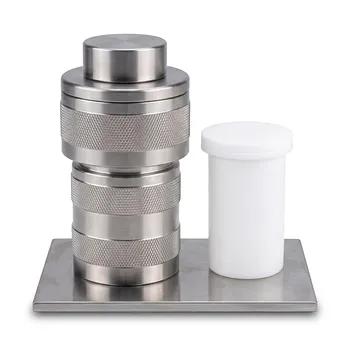
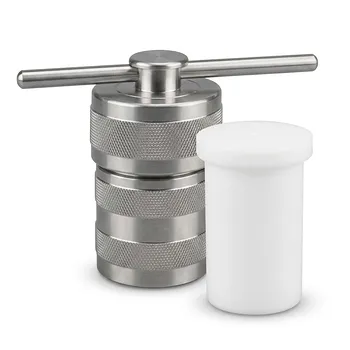
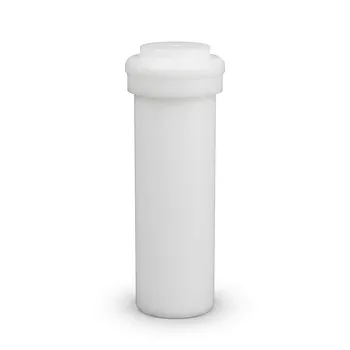
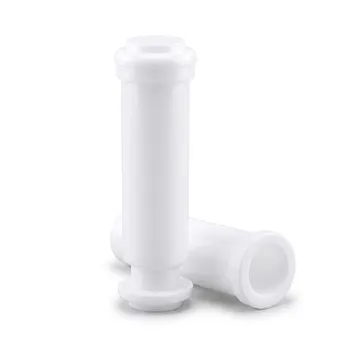
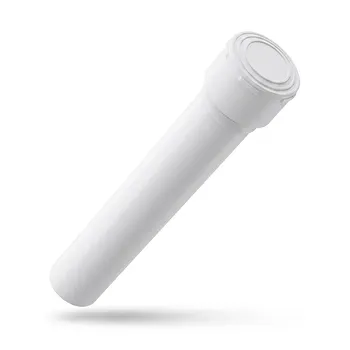
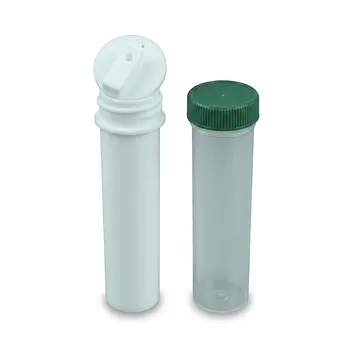
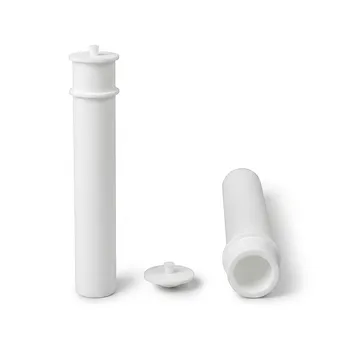
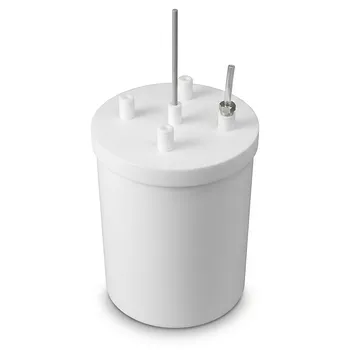
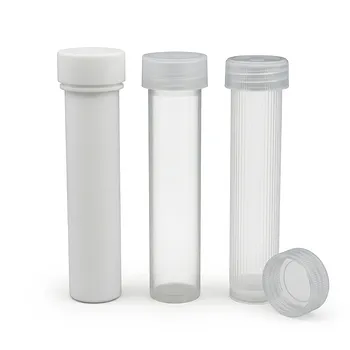
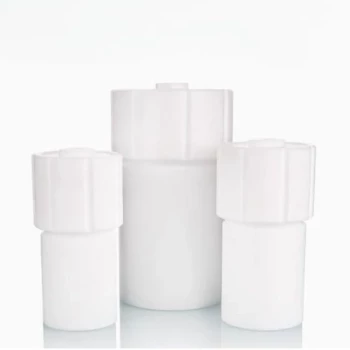
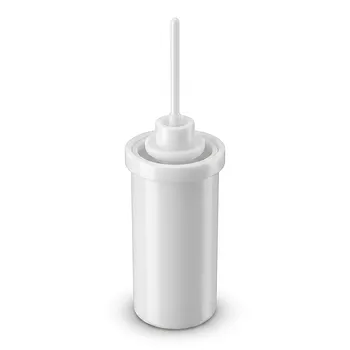
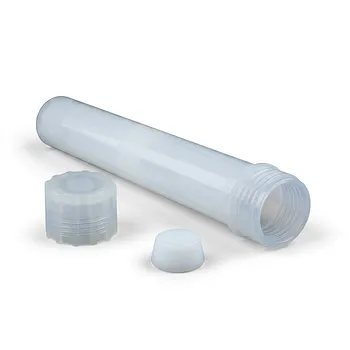
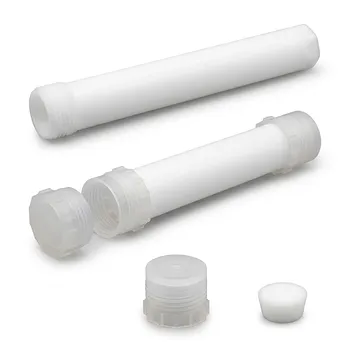
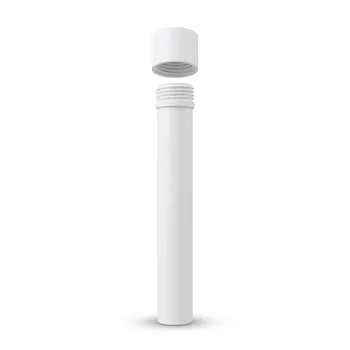
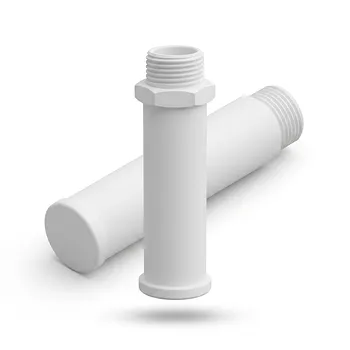
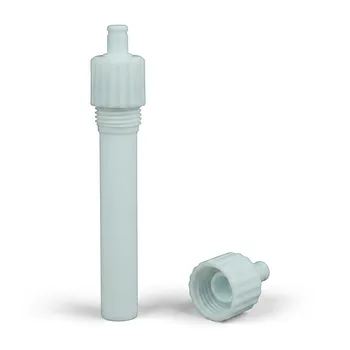
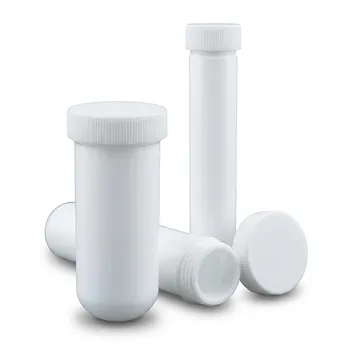
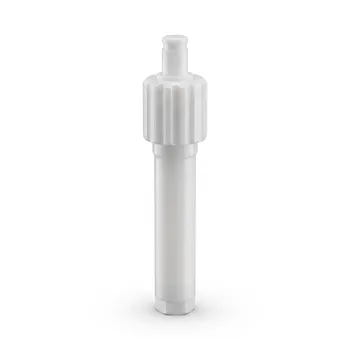
High-pressure digestion vessels and PTFE liners serve as the specialized containment system required to drive chemical intercalants into the graphite lattice. These components create a controlled, high-energy environment that allows concentrated acids and oxidants to penetrate the layers of raw graphite, effectively transforming it into expandable graphite ready for expansion.
The combination of high-pressure vessels and PTFE liners enables the safe use of aggressive chemical agents at elevated temperatures. This synergy ensures the thorough penetration of intercalants while protecting the equipment from corrosion and maintaining the high purity of the final carbon material.
Facilitating Penetration Through Controlled Energy
The intercalation of graphite is not a passive process; it requires significant energy to overcome the van der Waals forces holding the carbon sheets together.
Overcoming Molecular Resistance
High pressure is the primary force used to drive intercalation agents, such as concentrated sulfuric acid, deep between the tightly bonded layers of graphite. The high-pressure digestion vessel provides the structural integrity necessary to maintain this pressure without leaking or failing.
Accelerating Reaction Kinetics
The closed system of the vessel allows the reaction to reach temperatures well above the boiling point of the reagents. This "hydrothermal-like" environment speeds up the chemical reaction, ensuring the oxidant can sufficiently open the graphite "galleries" for the intercalant to enter.
Ensuring Homogeneous Treatment
By creating a stable and closed environment, the vessel ensures that the entire sample of graphite is exposed to uniform pressure and temperature. This results in a consistently intercalated product, which is vital for achieving a uniform expansion ratio during subsequent microwave processing.
The Critical Role of PTFE Liners
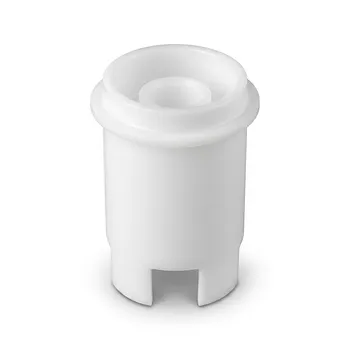
While the outer vessel provides strength, the Polytetrafluoroethylene (PTFE) liner provides the chemical resilience necessary to survive the process.
Unrivaled Chemical Inertness
The intercalation process involves some of the most aggressive chemicals used in material science, including concentrated sulfuric acid and strong oxidants. PTFE is chemically inert, meaning it does not react with these reagents, allowing the chemicals to focus entirely on the graphite rather than the container.
Prevention of Metal Ion Contamination
If the acidic reagents were to touch the stainless steel body of the pressure vessel, they would leach metal ions into the mixture. The PTFE liner acts as a total barrier, ensuring the chemical purity of the graphite is maintained, which is essential for high-performance applications.
Thermal Stability and Safety
High-quality PTFE can withstand temperatures up to 200°C while remaining stable. This allows researchers to push the reaction to the limits required for effective intercalation without the risk of the liner melting or releasing hazardous fumes into the laboratory environment.
Understanding the Trade-offs
Using high-pressure systems with fluoropolymer liners requires a balance between reaction efficiency and equipment longevity.
Thermal and Pressure Limitations
Every PTFE liner has a specific "creep" point where the material can begin to deform under extreme heat and pressure. Exceeding these limits can lead to a loss of the hermetic seal, causing a drop in pressure that ruins the intercalation batch or damages the outer vessel.
Maintenance and Cycle Life
PTFE is a "soft" material compared to the metals it protects. Over many cycles of heating and cooling, the liner can undergo physical stress; regular inspection for thinning or pitting is mandatory to prevent accidental vessel corrosion.
How to Apply This to Your Project
When selecting equipment for the intercalation of expandable graphite, your choice should be dictated by your specific material requirements and safety protocols.
- If your primary focus is Maximum Expansion Ratio: Utilize high-pressure vessels that can safely sustain 200°C to ensure the deepest possible penetration of the intercalant into the graphite layers.
- If your primary focus is Material Purity: Ensure you are using high-purity, virgin PTFE or PFA liners to eliminate the risk of metal ion leaching from the vessel walls.
- If your primary focus is Equipment Longevity: Implement a strict inspection schedule for the PTFE liners to identify "creep" or deformation before it leads to a seal failure.
By mastering the balance of pressure and chemical resistance, you can reliably produce high-quality expandable graphite for advanced industrial applications.
Summary Table:
| Component | Primary Role | Key Benefit |
|---|---|---|
| High-Pressure Vessel | Structural Containment | Maintains high energy to drive intercalants into the graphite lattice. |
| PTFE Liner | Chemical Barrier | Provides unrivaled inertness against aggressive acids and oxidants. |
| The System | Controlled Environment | Accelerates reaction kinetics and ensures a homogeneous expansion ratio. |
| Thermal Management | Heat Stability | Allows reactions up to 200°C while preventing metal ion contamination. |
Elevate Your Research with KINTEK’s High-Performance Fluoropolymer Solutions
Achieve uncompromising purity and durability in your intercalation processes with KINTEK. As experts in high-performance fluoropolymers, we provide the specialized equipment needed to handle aggressive chemical agents and high-pressure environments safely.
From everyday basic labware like beakers, crucibles, and digestion tubes to advanced high-pressure digestion vessels and custom PTFE/PFA liners, KINTEK manufactures virtually every laboratory supply you can imagine. Our capabilities extend to high-purity trace analysis instruments, fluid transfer components (tubing, fittings, valves), and bespoke reaction apparatus such as electrochemical cells and microwave digestion vessels.
Why partner with KINTEK?
- End-to-End Customization: Our full-scale CNC fabrication delivers complex, non-standard machined parts tailored to your specific setup.
- Absolute Material Focus: We maintain an exclusive focus on PTFE and PFA to ensure zero contamination and maximum chemical resistance.
- Scalable Production: Whether you need a single bespoke component or a high-volume order, we deliver with precision.
Contact KINTEK today to discover how our expert-crafted fluoropolymer solutions can enhance your laboratory's efficiency and material integrity!
References
- Junyu Lu, Renchao Che. Microwave‐Driven Dielectric‐Magnetic Regulation of Graphite@α‐MnO <sub>2</sub> Toward Enhanced Electromagnetic Wave Absorption. DOI: 10.1002/advs.202504489
This article is also based on technical information from Kintek Knowledge Base .
Related Products
- PTFE Lined High Pressure Digestion Vessel 50ml High Temperature Hydrothermal Synthesis Tank
- 5ml High Pressure PTFE Digestion Vessel for Geological Mineral Analysis Corrosion Resistant Polytetrafluoroethylene TFM Digestion Inner Liner
- High Pressure PTFE Digestion Vessel Inner Cup Holder Custom Corrosion Resistant Low Background Teflon
- High Performance TFM Microwave Digestion Vessel Rack 15 Position Customizable Sample Preparation Support
- High Purity TFM Microwave Digestion Vessels for Trace Analysis and Custom Sample Preparation Systems
People Also Ask
- What are the benefits of using a PTFE-lined vessel for carbon-sulfur cathode treatment? Maximize Purity & Performance
- Why are PTFE-lined pressure digestion vessels required for the preparation of Ag/CeO2 catalysts? Purity & Performance
- What safety features are typically incorporated into high-pressure PTFE digestion vessel designs? Ensure Lab Safety
- What is the function of PTFE lined high-pressure vessels in g-C3N4 synthesis? Achieve High-Purity Material Growth
- Role of High-Pressure Digestion Tanks in Perovskite Synthesis: Achieve Superior Stability and Latent Heat