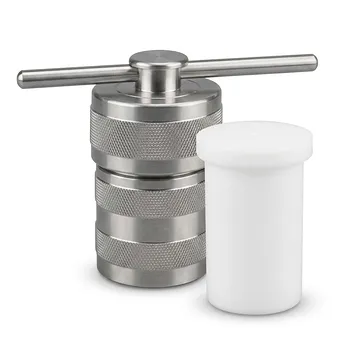
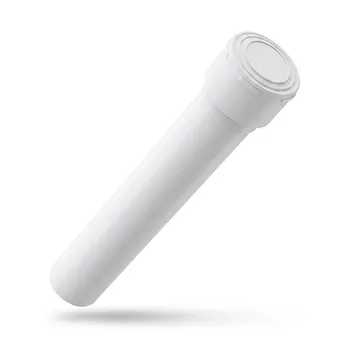
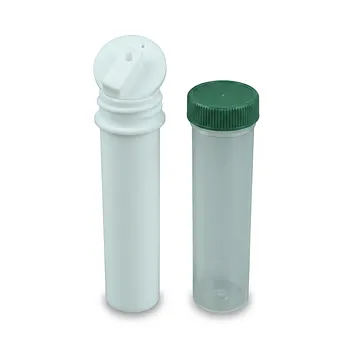
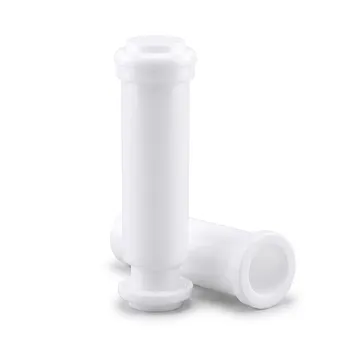
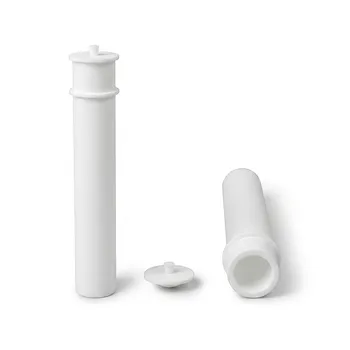
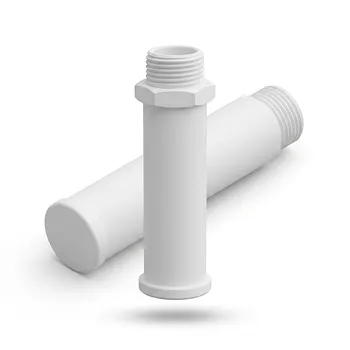
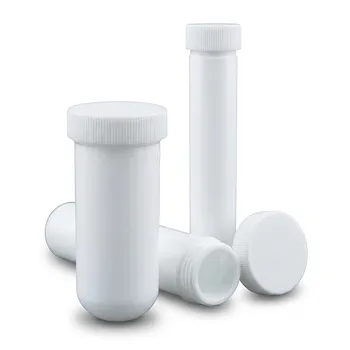
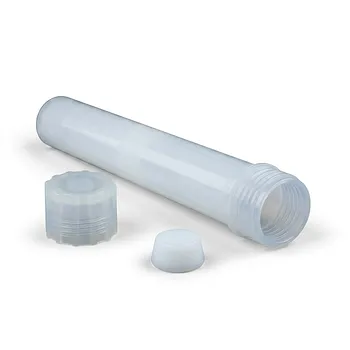
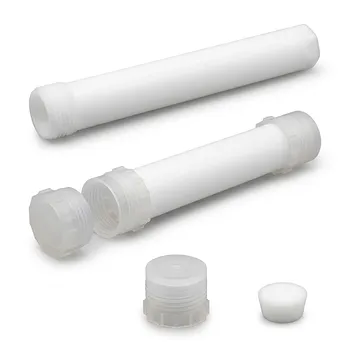
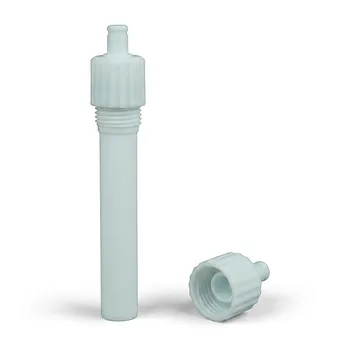
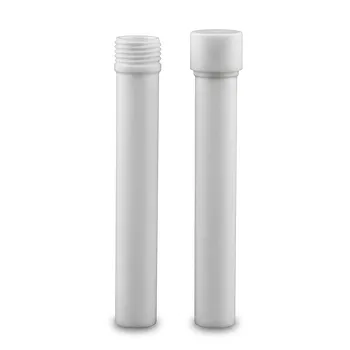
High-pressure digestion vessels and fluoropolymer liners provide the extreme, controlled environment necessary for the hydrothermal synthesis of NiFe-LDH catalysts. By creating a high-temperature, high-pressure, and chemically inert reaction space, these components allow metal cations to nucleate uniformly and grow into high-crystallinity, ultra-thin two-dimensional nanosheets. This specific environment is the prerequisite for achieving the structural consistency and high active surface area required for efficient electrocatalysis.
These specialized containment systems enable subcritical fluid conditions that overcome kinetic barriers, ensuring that NiFe-LDH nanosheets develop with precise morphology and high purity while maintaining a strong mechanical bond to their conductive substrates.
Facilitating Precise Morphological Control
Overcoming Kinetic Barriers
High-pressure vessels create a sealed environment where fluids can reach subcritical or supercritical states. These conditions significantly increase the solubility of precursor salts and facilitate thorough mixing of reactants. This allows the system to overcome kinetic barriers that would otherwise prevent the formation of complex crystal structures at atmospheric pressure.
Promoting Uniform Nanosheet Growth
The stable pressure and temperature inside the vessel promote uniform nucleation of nickel and iron ions. This stability is critical for the directional growth of the catalyst into ultra-thin, two-dimensional (2D) nanosheet arrays. These structures provide the high surface area necessary for superior catalytic activity.
Enhancing Structural Crystallinity
The hydrothermal process enables a slow, controlled crystallization that results in high-crystallinity structures. This structural integrity ensures that the NiFe-LDH maintains its performance and does not degrade rapidly during electrochemical cycles.
Maintaining Chemical Integrity and Purity
Ensuring Chemical Inertness
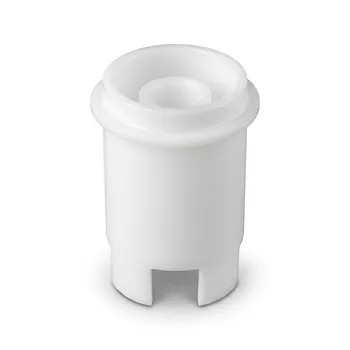
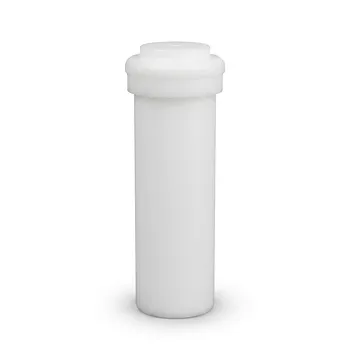
Fluoropolymer liners, such as PTFE (Polytetrafluoroethylene) or PFA (Perfluoroalkoxy), are used because of their exceptional resistance to strong bases and corrosive precursors. This inertness ensures that the precursor solution remains free from metal impurity contamination that could leach from the vessel’s outer steel walls.
Preventing Cross-Contamination
High-performance fluoropolymers have extremely low impurity leaching rates, which is vital for maintaining the intended defect structures of the catalyst. This purity is essential not only during synthesis but also during subsequent elemental analysis, such as ICP-OES, where even trace contaminants can skew quantitative results.
Maximizing Product Recovery
The non-stick properties of PTFE and PFA materials allow for the complete collection of synthesized nanosheets after the reaction. This ensures that the active catalytic materials are not lost to the vessel walls, preserving the total yield and intended activity of the batch.
Strengthening Catalyst Durability
Optimizing Substrate Adhesion
In many applications, NiFe-LDH is grown directly on a conductive framework like nickel foam. The regulated pressure within the vessel ensures a strong mechanical bond between the active LDH material and the substrate. This robust adhesion is critical for the long-term durability of the electrocatalyst in industrial settings.
Achieving Consistent Layering
By maintaining a constant temperature (e.g., 120°C to 150°C), the vessel ensures that the layered double hydroxide structure develops evenly across the entire surface of the substrate. This consistency prevents "hot spots" of activity and ensures a more predictable performance profile.
Understanding the Trade-offs
Temperature and Pressure Limitations
While fluoropolymer liners are highly resistant, they have defined thermal limits (typically around 250°C for PTFE). Exceeding these temperatures can lead to liner deformation or the release of toxic vapors. Users must balance the need for high-temperature kinetics with the physical limitations of the liner material.
Risk of "Memory Effects"
Despite their non-stick nature, liners can occasionally retain trace elements from previous synthesis runs if not cleaned rigorously. In high-precision catalyst development, this cross-contamination risk requires strict cleaning protocols using concentrated acids to ensure the integrity of subsequent batches.
How to Apply This to Your Project
Recommendations for Synthesis Goals
- If your primary focus is high purity: Prioritize PFA liners over PTFE for their smoother surface and even lower leaching rates to minimize trace metal contamination.
- If your primary focus is nanosheet morphology: Use a high-pressure vessel that allows for precise, slow cooling to promote the most uniform 2D crystal growth.
- If your primary focus is industrial durability: Ensure the vessel is rated for higher pressures to facilitate the strongest possible mechanical bond between the NiFe-LDH and the nickel foam substrate.
By leveraging the unique environment provided by high-pressure vessels and fluoropolymer liners, you can transition from inconsistent bulk materials to highly engineered, high-performance NiFe-LDH catalysts.
Summary Table:
| Component | Key Function | Impact on NiFe-LDH Catalyst |
|---|---|---|
| High-Pressure Vessel | Creates subcritical fluid conditions | Overcomes kinetic barriers for uniform 2D nanosheet growth. |
| Fluoropolymer Liner | Provides chemical inertness (PTFE/PFA) | Prevents metal contamination and ensures high-purity defect structures. |
| Hydrothermal Process | Sustains stable temp/pressure | Promotes high crystallinity and strong mechanical adhesion to substrates. |
| Non-stick Surface | Facilitates complete product recovery | Maximizes yield and preserves intended catalytic activity. |
Elevate Your Catalyst Synthesis with KINTEK Precision
Achieve the ultimate chemical integrity and morphological control in your research with KINTEK’s high-performance fluoropolymer solutions. From everyday basic labware like beakers, crucibles, and reagent bottles to advanced reaction apparatus such as hydrothermal synthesis liners, microwave digestion vessels, and custom electrochemical cells, we manufacture virtually every laboratory supply imaginable from PTFE and PFA.
Whether you require high-purity trace analysis instruments, complex fluid transfer components, or bespoke non-standard machined parts, our end-to-end custom CNC fabrication ensures your tools meet the most rigorous experimental demands. Contact KINTEK today to discover how our absolute focus on high-performance materials can optimize your lab's efficiency and deliver superior results for your next-generation catalysts.
References
- Jack Corbin, Xiaohong Li. Challenges and progress in oxygen evolution reaction catalyst development for seawater electrolysis for hydrogen production. DOI: 10.1039/d3ra08648h
This article is also based on technical information from Kintek Knowledge Base .
Related Products
- PTFE Lined High Pressure Digestion Vessel 50ml High Temperature Hydrothermal Synthesis Tank
- 5ml High Pressure PTFE Digestion Vessel for Geological Mineral Analysis Corrosion Resistant Polytetrafluoroethylene TFM Digestion Inner Liner
- High Pressure PTFE Digestion Vessel Inner Cup Holder Custom Corrosion Resistant Low Background Teflon
- High Purity TFM Microwave Digestion Vessels for Trace Analysis and Custom Sample Preparation Systems
- High Performance TFM Microwave Digestion Vessel Rack 15 Position Customizable Sample Preparation Support
People Also Ask
- What are the benefits of using a PTFE-lined vessel for carbon-sulfur cathode treatment? Maximize Purity & Performance
- Why are PTFE-lined pressure digestion vessels required for the preparation of Ag/CeO2 catalysts? Purity & Performance
- What is the function of high-pressure PTFE digestion vessels in mineral analysis? Optimize Sample Mineralization
- What safety features are typically incorporated into high-pressure PTFE digestion vessel designs? Ensure Lab Safety
- What is the function of PTFE lined high-pressure vessels in g-C3N4 synthesis? Achieve High-Purity Material Growth