The three-electrode configuration is the gold standard for electrochemical research because it isolates the working electrode from the rest of the cell. By introducing a dedicated reference electrode, the system separates the electrical current path from the potential measurement circuit. This ensures that the data collected reflects the intrinsic properties of the material under study, rather than the combined, often messy behavior of the entire electrochemical cell.
A three-electrode setup provides superior accuracy by decoupling potential control from current flow, effectively eliminating errors caused by counter-electrode polarization and internal resistance. This allows researchers to isolate and study the specific kinetic and thermodynamic properties of a single interface with high precision.
The Fundamental Shift: Decoupling Current and Potential
Isolating the Working Electrode
In a two-electrode system, you measure the total cell potential, which includes contributions from both the working and counter electrodes. A three-electrode setup uses a reference electrode to provide a stable benchmark, allowing you to monitor the working electrode in isolation.
Eliminating Counter-Electrode Interference
The counter electrode (often platinum) exists solely to complete the circuit and carry the current. By using a third electrode, the system prevents polarization effects at the counter electrode from distorting the potential measurements of your target material.
Maintaining Potential Stability
Because the reference electrode carries virtually no current, its potential remains stable and constant throughout the experiment. This provides a "fixed point" that allows for the precise measurement of redox potentials and specific capacitance.
Enhancing Measurement Precision
Minimizing Ohmic Drop (iR Drop)
Internal resistance within the electrolyte, known as iR drop, can significantly skew potential readings, especially at high currents. The three-electrode configuration, managed by a modern potentiostat, can compensate for this resistance, ensuring the applied potential is what the electrode actually "feels."
Capturing Accurate Redox Kinetics
For techniques like Cyclic Voltammetry (CV) or Differential Pulse Voltammetry, precision is non-negotiable. This setup ensures that the resulting curves accurately reflect the true redox kinetics and electron transfer rates at the electrode-electrolyte interface.
Enabling Advanced Analytical Insights
Precise control over the reaction interface allows for the calculation of critical parameters like the Tafel slope and overpotential. These values are essential for evaluating catalysts in applications such as the Oxygen Evolution Reaction (OER) or CO2 reduction.
Understanding the Trade-offs
Increased System Complexity
A three-electrode setup requires more sophisticated hardware, specifically a potentiostat, and more complex cell glasswork. This makes the initial setup more expensive and time-consuming compared to a simple two-electrode "battery-style" test.
Potential for Reference Electrode Contamination
The reference electrode contains its own internal electrolyte (like KCl in Ag/AgCl electrodes) which can occasionally leak into the main cell. This "junction potential" or contamination can interfere with sensitive experiments if not properly managed with bridges or frits.
Divergence from "Real-World" Performance
While a three-electrode cell is better for studying materials, it does not represent how a finished device (like a commercial battery) will perform. In a final product, the losses at both electrodes and the internal resistance are part of the performance reality that a three-electrode system intentionally hides.
Making the Right Choice for Your Goal
How to Apply This to Your Project
- If your primary focus is fundamental material characterization: Use a three-electrode configuration to isolate intrinsic properties like specific capacitance, catalytic activity, and redox potentials.
- If your primary focus is evaluating a catalyst for gas evolution (OER/HER): Use a three-electrode flow cell to minimize mass transfer limitations and obtain precise Tafel slopes at high current densities.
- If your primary focus is testing the energy density of a final commercial device: Use a two-electrode configuration to capture the total resistance and practical voltage limits of the full cell.
By choosing the three-electrode configuration for your research, you ensure that your data is a pure reflection of your material's chemistry rather than an artifact of the testing environment.
Summary Table:
| Feature | 2-Electrode Configuration | 3-Electrode Configuration |
|---|---|---|
| Measurement Focus | Total cell potential (combined) | Individual working electrode potential |
| Potential Stability | Fluctuates with current flow | Stable via dedicated reference electrode |
| Accuracy | Lower (interference from counter electrode) | High (isolates intrinsic material properties) |
| iR Drop Management | Not compensated | Compensated for higher precision |
| Primary Use | Battery testing & device evaluation | Fundamental research & catalyst kinetics |
Optimize Your Research with KINTEK Precision Labware
Elevate your electrochemical studies with KINTEK, your dedicated partner for high-performance laboratory supplies. Whether you are performing fundamental material characterization or testing advanced catalysts, our range of products—from standard PTFE and PFA labware (beakers, crucibles, and reagent bottles) to advanced electrochemical cells, battery testing fixtures, and hydrothermal synthesis liners—is designed to deliver absolute precision.
We specialize in end-to-end custom CNC fabrication, allowing us to provide everything from complex, non-standard machined parts to high-volume orders of fluid transfer components like tubing, valves, and fittings. Benefit from our exclusive focus on fluoropolymer materials to ensure your experiments are free from contamination and chemical interference.
Ready to upgrade your laboratory setup? Contact us today to discuss your bespoke requirements and see how KINTEK can enhance your research outcomes.
Related Products
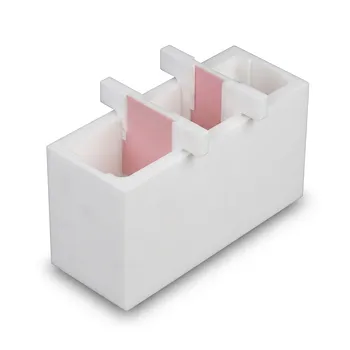
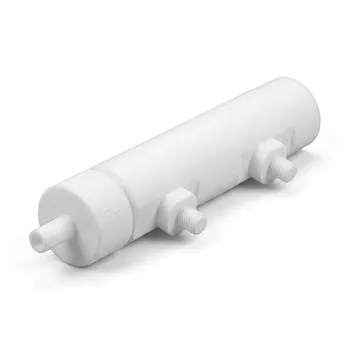
- Corrosion Resistant PTFE Electrochemical Cell for New Energy Research Inert Insulating Customizable Lab Reaction Vessel
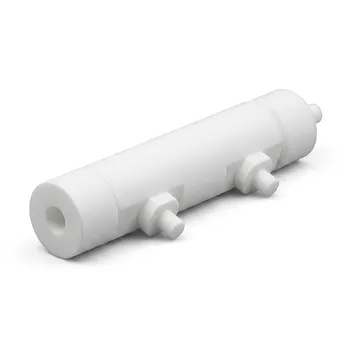
- Custom PTFE Electrolytic Cell Corrosion Resistant Low Background Reaction Vessel with Inlet Outlet Ports
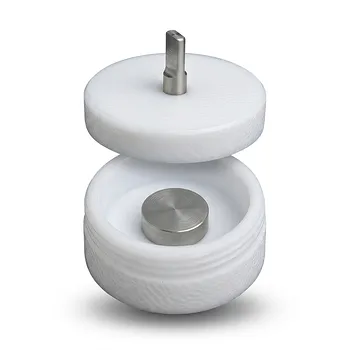
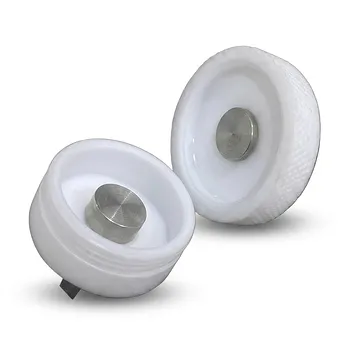
- Acid Resistant PTFE Button Cell Battery Test Fixture Customizable Machining High Purity Electrochemical Testing Clamp
- Custom PTFE Laboratory Apparatus Corrosion Resistant Low Background Reaction Cells Precision CNC Fabrication
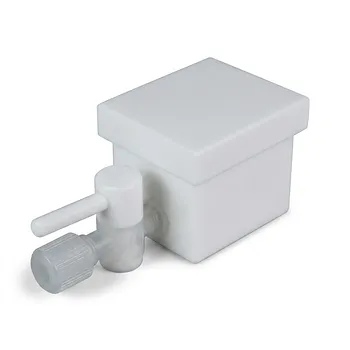
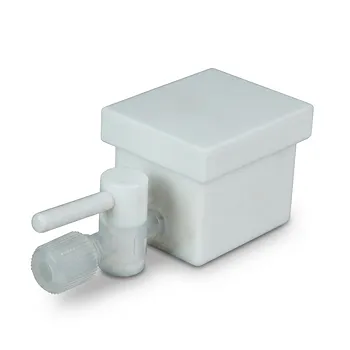
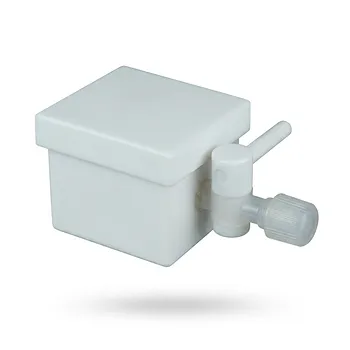
- Custom PTFE Reaction Box Opaque White Square Electrochemical Cell Tank
People Also Ask
- How do custom PTFE electrochemical cells improve the accuracy of stability testing for alkaline catalysts compared to glass cells?
- How does the hydrophobicity of PTFE benefit electrochemical measurements? Enhance Stability and Precision in Your Lab
- What makes PTFE an ideal construction material for custom electrochemical cells and electronic analytical instrumentation housings? Discover superior chemical resistance and electrical insulation
- Why must seawater electrolysis test cells have high corrosion resistance? Protect catalyst stability & data accuracy.
- What are the key steps for structural integrity in molded PTFE lab reaction vessels? Master fine powder processing.