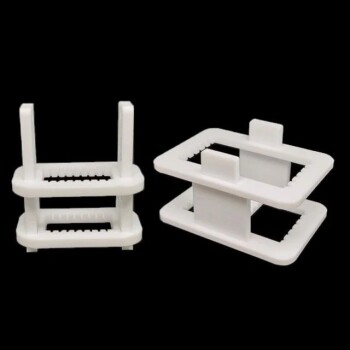
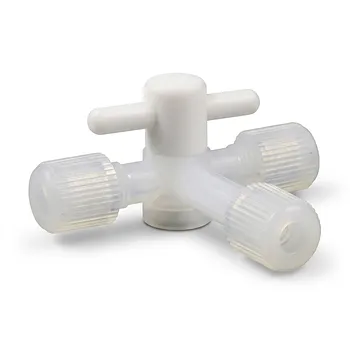
Polytetrafluoroethylene (PTFE) is the industry standard for high-purity fluid handling because it provides an chemically inert environment with extremely low extractables. Its unique molecular structure prevents the leaching of metallic ions or organic contaminants into process fluids, which is critical for maintaining wafer yield. Furthermore, its ability to withstand aggressive acids and rapid thermal cycling ensures system integrity in the harshest fabrication stages.
Core Takeaway: PTFE’s primary value in semiconductor manufacturing lies in its unrivaled chemical purity and thermal stability, which together eliminate contamination risks and prevent mechanical failure during high-precision fluid delivery.
Ensuring Ultra-High Purity and Contamination Control
Minimal Extractables and Leachables
In semiconductor fabrication, even parts-per-billion levels of metallic ions can ruin a batch of wafers. Virgin PTFE is prized because it contains almost no additives, ensuring that it does not leach contaminants into the high-purity chemicals it carries.
Elimination of Dead Volumes
Components machined from PTFE allow for crevice-free designs, which are essential for fluid handling. By eliminating "dead volumes" where stagnant fluid can accumulate, PTFE prevents bacterial growth and particle generation that could otherwise compromise the process.
Non-Adhesive and Easy to Clean
The material’s extremely low surface tension makes it inherently non-stick. This property ensures that residues do not adhere to the walls of connectors or tubing, making the system significantly easier to flush and clean between different process steps.
Superior Resistance to Aggressive Chemistries
Chemical Inertness Against Strong Acids
Semiconductor manufacturing involves highly corrosive substances, particularly in the photoresist and etching processes. PTFE is chemically inert to almost all industrial chemicals and solvents, providing a reliable barrier against the strong acids that would degrade lesser plastics.
Resilience in the Photoresist Process
The material’s resistance to aggressive organic solvents makes it the preferred choice for fasteners and custom parts within the lithography track. This durability extends the lifespan of the equipment and reduces the frequency of maintenance-induced downtime.
High Electrical Resistance
Beyond fluid handling, PTFE’s dielectric strength and electrical insulation properties are vital. This prevents electrical interference and ensures safety in environments where high voltages and sensitive electronic components coexist with fluid systems.
Thermal Stability and Mechanical Integrity
Stability During Rapid Thermal Cycling
Wafer fabrication often involves rapid swings between temperature extremes. PTFE maintains its mechanical stability during rapid thermal cycling, ensuring that seals and connectors do not crack or lose their "memory" when temperatures fluctuate.
Wide Operating Temperature Range
PTFE can operate continuously at temperatures up to +260°C, the highest of any fluoroplastic, and remains functional at cryogenic temperatures as low as -275°C. This versatility allows a single material type to be used across diverse stages of the manufacturing line.
Low Friction and Wear Resistance
With one of the lowest coefficients of friction of any solid material, PTFE reduces wear on moving parts within fluid systems. This self-lubricating property minimizes the risk of mechanical failure and prevents the introduction of wear-related particulates into the fluid stream.
Understanding the Trade-offs and Limitations
Susceptibility to Creep and Cold Flow
While PTFE is thermally stable, it is prone to creep (cold flow), meaning it can slowly deform under a constant load even at room temperature. Engineers must account for this in joint designs to prevent leaks over long periods of operation.
Permeability to Certain Gases
Despite its chemical resistance, PTFE can be permeable to certain small-molecule gases. In ultra-sensitive vacuum or gas-delivery applications, this permeability must be evaluated to ensure it does not compromise the purity of the internal environment.
Lower Mechanical Strength
Compared to high-performance polymers like PEEK, PTFE is relatively soft. In high-pressure applications, it may require external reinforcement or specialized housing to maintain structural integrity under stress.
How to Apply PTFE in Your Facility
When integrating PTFE components into a semiconductor fluid handling system, your choice should be dictated by the specific purity requirements of your process node.
- If your primary focus is Maximum Purity: Prioritize machined virgin PTFE components to ensure the lowest possible extractable profile and a crevice-free surface finish.
- If your primary focus is Thermal Cycling: Ensure that all seals and connectors are rated for the specific temperature ramp rates of your fabrication process to prevent seal fatigue.
- If your primary focus is Chemical Compatibility: Use PTFE for all wetted parts in the etching and cleaning stages where exposure to concentrated acids is frequent.
PTFE remains the cornerstone of semiconductor fluid handling by providing the essential bridge between aggressive chemical processing and the need for absolute cleanliness.
Summary Table:
| Key Feature | Advantage for Semiconductors | Process Application |
|---|---|---|
| Chemical Inertness | Resists aggressive acids and solvents | Etching and lithography |
| Ultra-High Purity | Minimal extractables and leachables | Maintaining high wafer yields |
| Thermal Stability | Operates from -275°C to +260°C | Rapid thermal cycling stages |
| Non-Stick Surface | Prevents residue and bacterial growth | Easy system flushing and cleaning |
| Low Friction | Minimizes wear-related particulates | Moving parts in fluid systems |
Optimize Your High-Purity Fluid Systems with KINTEK
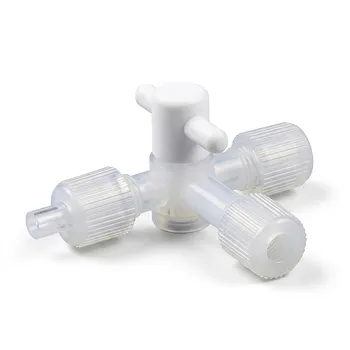
Elevate your semiconductor fabrication with KINTEK’s specialized fluoropolymer solutions. Whether you require everyday basic labware like beakers, measuring cylinders, and reagent bottles, or comprehensive fluid transfer components including precision tubing, fittings, and valves, we provide the purity your process demands.
Our expertise extends from high-purity trace analysis instruments and filtration tools to advanced apparatus like electrochemical cells and microwave digestion vessels. KINTEK manufactures virtually all imaginable laboratory supplies crafted from high-performance PTFE and PFA. With our end-to-end custom CNC fabrication, we deliver everything from complex non-standard machined parts to high-volume orders with absolute precision.
Ready to eliminate contamination risks? Contact us today to discuss your custom laboratory setups and high-performance material needs!
Related Products
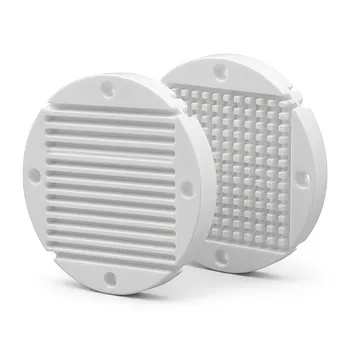
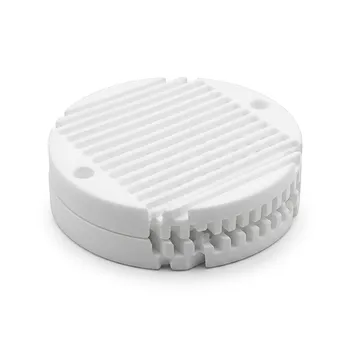
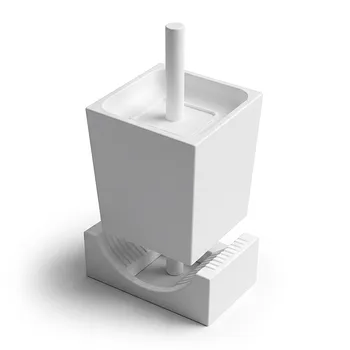
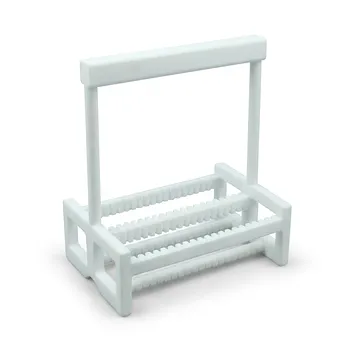
- Corrosion Resistant PTFE Reaction Trays and Custom Teflon Cassettes for Semiconductor Processing and High Purity Chemical Handling
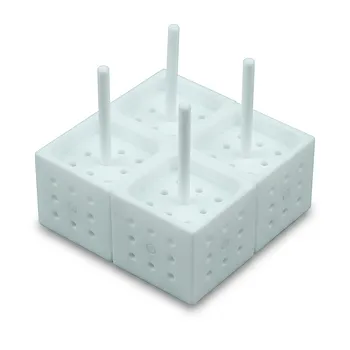
- Custom PTFE Wafer Handling Rack Corrosion Resistant High Temperature Semiconductor Polysilicon Processing Stand
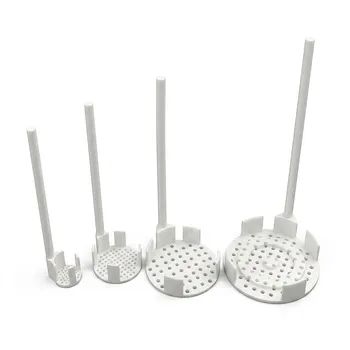
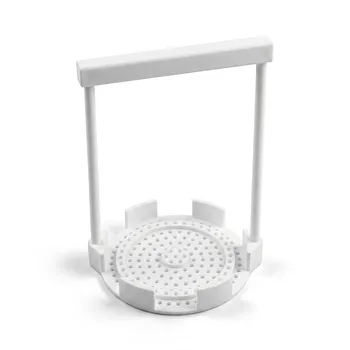
- Custom PTFE Wafer Carrier Flower Basket Chemical Resistant Semiconductor Cleaning Handle Design
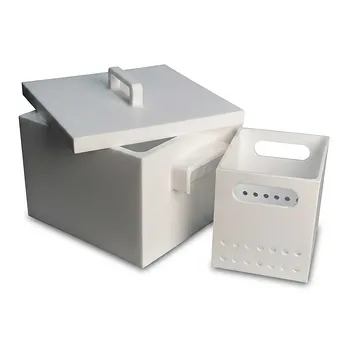
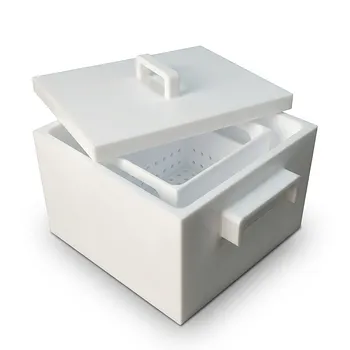
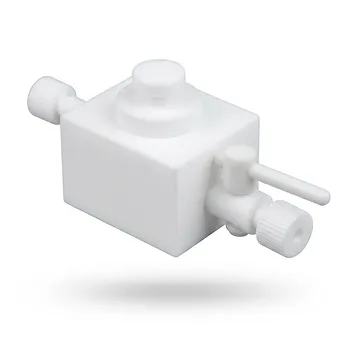
- Custom PTFE Square Tank Semiconductor Soaking Cleaning Acid Resistant Fluoropolymer Filtration Vessel
- Custom PTFE Wafer Cleaning Flower Basket Chemical Resistant Fluoropolymer Carrier for Semiconductor Etching and New Energy Processing
People Also Ask
- What are the applications of PTFE in the chemical industry? A Guide to Superior Corrosion Resistance
- What are some specific uses of PTFE in chemical handling? Enhance Safety and Reliability in Your Process
- How can PTFE be customized for specific applications? Tailor Performance with Fillers & Fabrication
- What are the key benefits of PTFE in custom fabrication? Unlock Performance in Extreme Conditions
- How can users obtain customized PTFE gaskets and sheets? Get Precision Parts for Your Industry