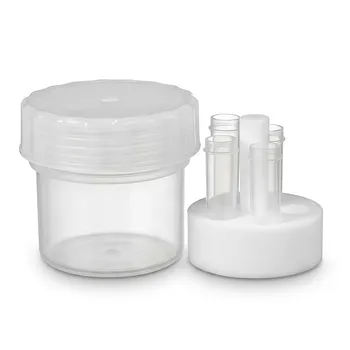
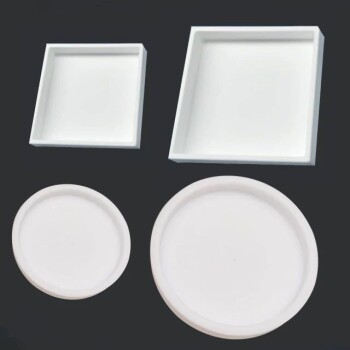
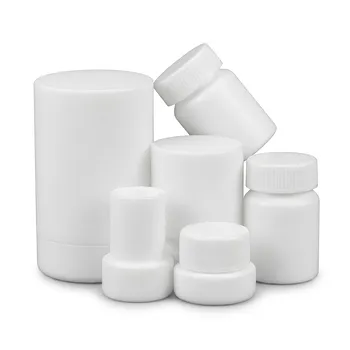
Container selection should follow the polymer’s complete solvent profile, not simply the presence of fluorinated segments. Multi-segment fluorinated block and star polymers may dissolve in fluorinated media, organic solvents such as THF or chloroform, or aqueous systems depending on the balance of fluorophilic, lipophilic, and hydrophilic arms. Because each segment can interact differently with the solvent and container surface, PTFE or PFA labware is generally the most reliable choice for dissolution, extraction, and characterization workflows where recovery and chemical compatibility matter.
The more varied the polymer’s segment-level solubility, the greater the risk that a conventional container will cause incomplete dissolution, surface retention, or solvent-related damage. Fluoropolymer containers reduce these risks across mixed and specialized solvent systems, although the specific solvent, temperature, pressure, and handling conditions must still be checked.
Why Segment Diversity Changes Sample Preparation
Fluorophilic segments behave differently from ordinary organic chains
Fluorophilic segments often prefer specialized fluorinated media and can be both hydrophobic and lipophobic. A polymer containing these segments may not wet or dissolve like a conventional hydrocarbon-based polymer, even when its lipophilic or hydrophilic segments are compatible with common organic or aqueous solvents.
This creates a practical risk during transfer and dissolution: material may remain attached to a vessel wall or form poorly dispersed films instead of entering solution completely.
Block and star architectures amplify interfacial effects
In a multi-segment block or star polymer, different arms can favor different environments. One segment may interact with THF or chloroform, another may prefer water, and a fluorophilic segment may seek a fluorinated phase or minimize contact with the surrounding solvent.
The result can be selective swelling, partial dissolution, aggregation, or interfacial localization. These behaviors make container-surface interactions more important than they would be for a uniform, single-phase polymer.
Mixed solvents increase compatibility demands
Solvent blends are often used to improve dissolution or create a workable balance between fluorophilic, lipophilic, and hydrophilic domains. However, a container that tolerates each solvent individually may still require evaluation under the combined solvent system, especially at elevated temperature or during extended contact.
Container selection therefore needs to account for the actual preparation environment, including solvent composition, exposure time, temperature, agitation, and any digestion or extraction step.
How Solubility Characteristics Guide Container Choice
Use chemically resistant materials for broad solvent exposure
PTFE and PFA are well suited to workflows involving fluorinated solvents, common organic solvents, and many aqueous systems. Their chemical resistance reduces the likelihood that the container will soften, swell, crack, or release extractable material into the sample.
This is particularly useful when the same polymer must be processed through several solvent environments during dissolution, purification, or characterization.
Favor low-wetting surfaces when recovery is critical
Fluoropolymer surfaces have low surface energy and are generally non-wetting compared with many conventional laboratory plastics. This can reduce the tendency of fluorophilic chains or partially dissolved aggregates to spread across and remain on the vessel wall.
Lower retention supports more complete transfer and more consistent concentration measurements. It does not eliminate adsorption under every condition, so recovery should still be checked when working at low concentration or with unusually adhesive formulations.
Match the container format to the operation
Different stages of preparation impose different mechanical and chemical requirements:
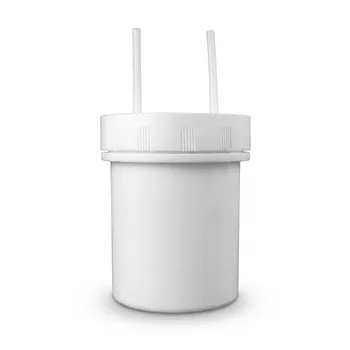
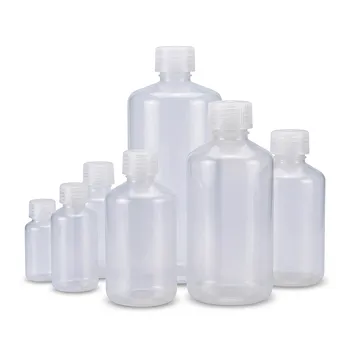
- PFA reagent containers are useful for storing or mixing solvent-sensitive polymer solutions.
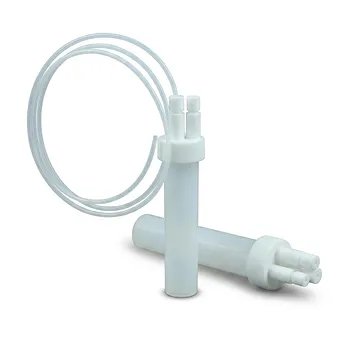
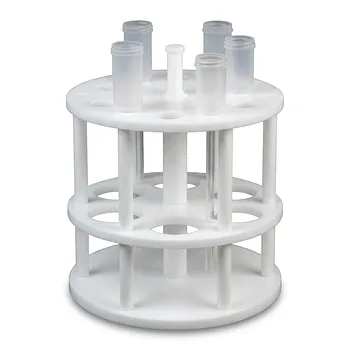
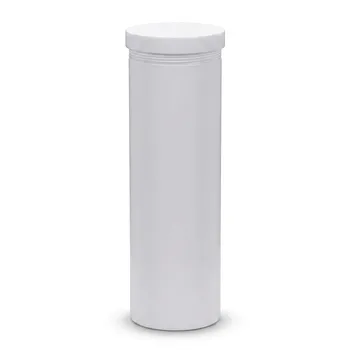
- PTFE or PFA digestion tubes are appropriate for controlled dissolution, extraction, or heated treatments when the material and closure system are properly rated.
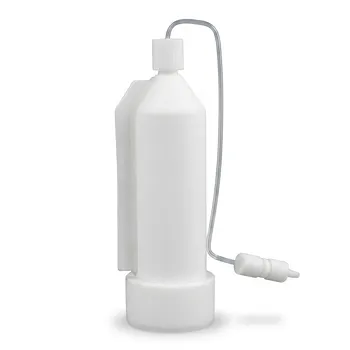
- Fluoropolymer wash bottles can help rinse vessel walls and recover residues using the selected solvent.
- PTFE-lined closures and seals can reduce contact between the sample and less compatible sealing materials.
The container should support the procedure without introducing a new source of contamination, evaporation, or sample loss.
Consider the least soluble segment
The limiting factor is often not the segment that dissolves most readily, but the segment that remains swollen, aggregated, or poorly solvated. If a fluorophilic arm is only compatible with a specialized medium, a container selected solely for the polymer’s hydrophilic or lipophilic segments may produce misleadingly incomplete recovery.
Preparation conditions should be designed around the least compatible domain, then verified for the full polymer architecture.
Preventing Sample Loss During Preparation
Reduce wall retention during dissolution
Use sufficient solvent volume, controlled agitation, and staged solvent addition when the polymer dissolves slowly or forms films. Rinsing the container with compatible solvent before final transfer can recover material that remains on the walls.
Fluoropolymer labware makes this recovery step more effective because its low-wetting surface generally limits persistent spreading.
Avoid assuming that visible clarity proves complete recovery
A solution can appear clear while a fraction of the polymer remains attached to the container or exists as nanoscale aggregates. Gravimetric checks, concentration measurements, or replicate transfers can reveal losses that visual inspection misses.
This matters particularly for star polymers, whose multivalent architecture can produce unusual aggregation or surface interactions.
Control contamination in characterization samples
Container-derived extractables can interfere with spectroscopy, chromatography, scattering, or mass measurements. Chemically resistant PTFE and PFA help reduce this risk, but containers should still be cleaned, conditioned, and tested with the intended solvents before use in sensitive analyses.
For trace-level work, a solvent blank prepared in the same labware provides a practical check.
Understanding the Trade-offs
Fluoropolymer compatibility is broad, not absolute
PTFE and PFA resist a wide range of chemicals, but no material should be described as universally compatible under all conditions. Strongly reactive chemicals, unusual temperatures, pressure, mechanical stress, or prolonged exposure can change the risk profile.
Consult compatibility data for the exact solvent system and operating conditions rather than relying only on the material name.
Low wetting does not mean zero adsorption
A low-energy surface can reduce spreading, but polymer adsorption may still occur through physical interactions, impurities, concentration effects, or entanglement. Hydrophilic portions of a complex architecture may also interact differently with the surface than fluorophilic portions.
The correct expectation is reduced and more predictable retention, not guaranteed quantitative recovery.
Fluoropolymer labware may add practical costs
PTFE and PFA supplies can be more expensive than general-purpose glass or plastic labware. They may also have different stiffness, transparency, closure options, and temperature limitations depending on the product design.
For routine, dilute, single-solvent preparations, conventional labware may be adequate if compatibility and recovery have been demonstrated.
Glass and other plastics are not automatically unsuitable
Glass can perform well with many organic solvents and may be preferred for visual inspection or certain analytical workflows. Other plastics may also be appropriate for specific aqueous or organic systems.
The problem is using general-purpose labware without confirming that it tolerates the solvent mixture and does not retain the particular polymer architecture being studied.
Making the Right Choice for Your Goal
Select the container based on the polymer’s least compatible segment and the most demanding step in the workflow.
- If your primary focus is maximum sample recovery: Use clean PTFE or PFA vessels and compatible solvent rinses to reduce wall retention during dissolution and transfer.
- If your primary focus is mixed-solvent processing: Choose PTFE or PFA after checking compatibility with the complete solvent blend, temperature, exposure time, and closure materials.
- If your primary focus is analytical accuracy: Use low-extractable fluoropolymer labware, prepare solvent blanks, and verify recovery rather than assuming a visually clear solution is quantitative.
- If your primary focus is routine low-risk preparation: Compare glass or other suitable labware against PTFE or PFA using a recovery and compatibility test before standardizing the method.
The right container preserves the polymer’s true composition by minimizing solvent incompatibility, surface retention, and contamination throughout sample preparation.
Summary Table:
| Polymer Segment Type | Typical Solubility Behavior | Container Requirement | Recommended Labware |
|---|---|---|---|
| Fluorophilic segments | Prefer fluorinated solvents; hydrophobic/lipophobic | Chemically resistant, low-wetting surface | PTFE/PFA containers |
| Lipophilic segments | Soluble in THF, chloroform, etc. | Compatible with organic solvents | PTFE/PFA or glass |
| Hydrophilic segments | Soluble in aqueous systems | Resistant to water and buffers | PTFE/PFA or polypropylene |
| Mixed segments | May require mixed solvents; risk of partial dissolution | Must tolerate entire solvent blend | PTFE/PFA with tested seals |
| Star polymer core | May aggregate or swell unpredictably | Low adsorption, high recovery | PTFE/PFA with rinsing protocol |
Ensure optimal recovery and purity for your complex fluorinated polymers. At KINTEK, we offer a comprehensive range of PTFE and PFA labware—from reagent bottles and digestion tubes to custom-machined components—designed to withstand aggressive solvents and minimize sample loss. Whether you're developing new formulations or scaling up synthesis, our high-purity fluoropolymer solutions enhance accuracy and reliability. Our exclusive focus on PTFE/PFA enables us to provide everything from standard vessels to bespoke electrochemical cells and microwave digestion vessels, backed by end-to-end CNC machining for custom parts. Contact us today to discuss your requirements and discover how our specialized labware can streamline your sample preparation. Get in touch with our experts.
Related Products
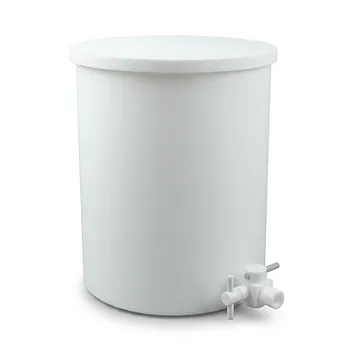
- Large Mouth PTFE Sample Storage Drum Custom Chemical Resistant Fluoropolymer Container Acid Base Proof Labware
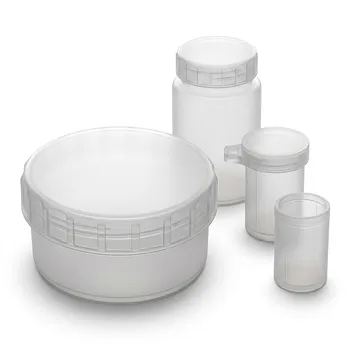
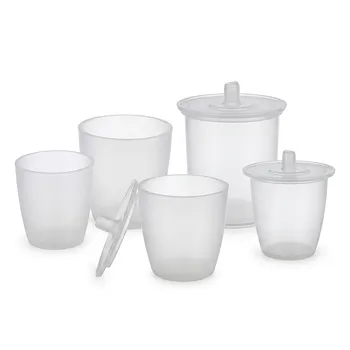
- PFA Reaction Jar Corrosion Resistant Wide Mouth PTFE Lab Bottle High Purity Chemical Vessel
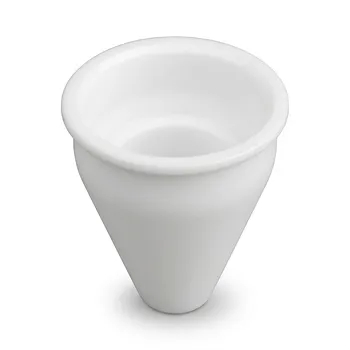
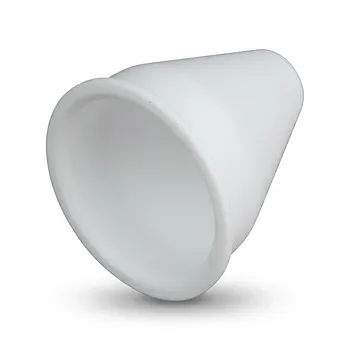
- Custom Machined PTFE Conical Sample Cell Corrosion Resistant Triangular Fluoropolymer Container for Trace Analysis
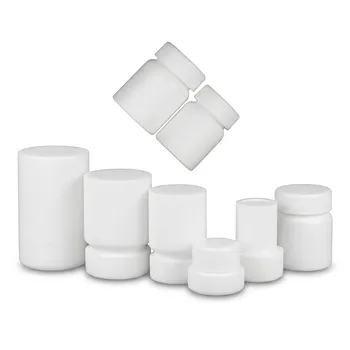
- PTFE Small Reaction Bottle Corrosion Resistant Teflon Sample Dissolution Tank One Piece Molded Fluoropolymer Storage Container
- Custom PTFE Conical Sample Cell Fluoropolymer Triangular Container Chemical Resistant Low Background Labware
People Also Ask
- Are PTFE Laboratory Containers and Fluid Fittings Resistant to All Chemical Solvents? Discover Key Exceptions and Safe Handling Tips
- How are PTFE laboratory containers and apparatus typically manufactured? Inside the Precision Machining Process
- What chemical conditions or reagents can compromise the integrity of PTFE chemical containers and laboratory equipment? Avoid Alkali Metals, Fluorinating Gases, Extreme Conditions
- What inherent material characteristics of non-melt-processable PTFE make it suitable for manufacturing high-purity laboratory containers and custom-machined apparatus?
- Why are PFA or PTFE laboratory containers recommended for synthesis with HI or HBr? Ensure Ultra-High Chemical Purity