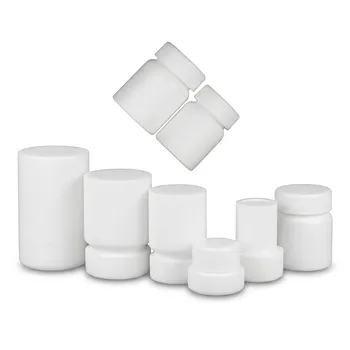
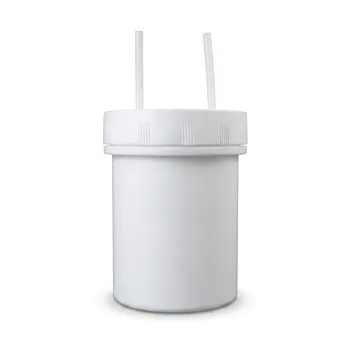
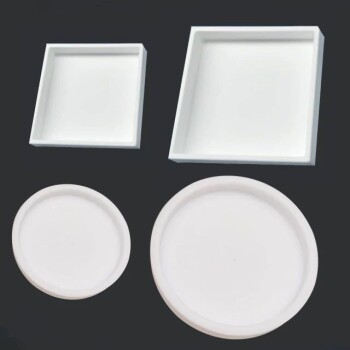
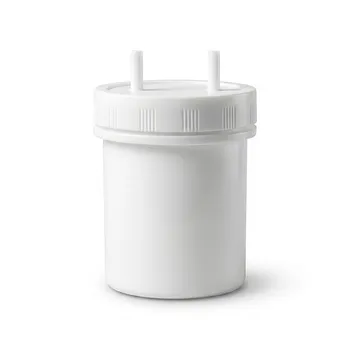
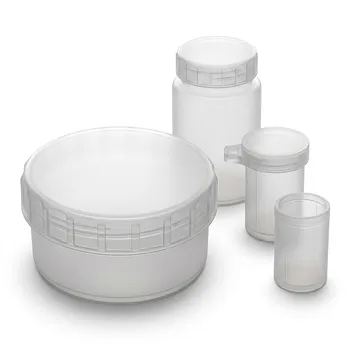
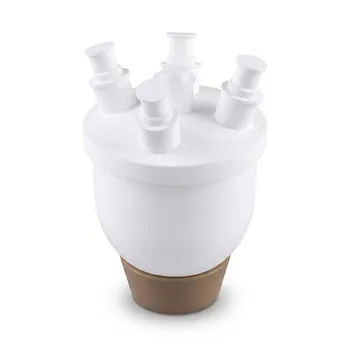
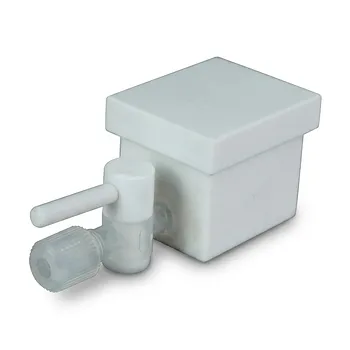
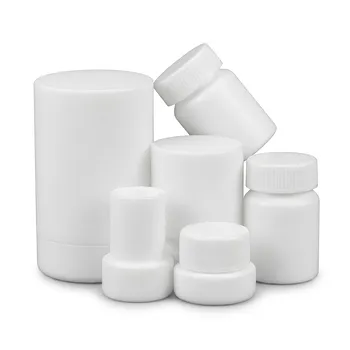
PTFE laboratory apparatus is primarily manufactured through precision machining from solid, semi-finished billets or extruded stock. Unlike common plastics that are melted and injected into molds, PTFE’s unique physical properties require it to be carved from pre-formed blocks that have been compressed and heat-treated to ensure structural integrity.
PTFE’s extreme melt viscosity makes traditional injection molding impossible. To create lab-grade containers, PTFE powder is first compressed and sintered into solid shapes, which are then meticulously machined into final products like beakers, flasks, and digestion vessels.
The Challenge of Melt Viscosity
Why Traditional Molding Fails
Most plastics are manufactured via injection molding, where the material is melted and pumped into a cavity. PTFE (Polytetrafluoroethylene) cannot be processed this way because it does not "flow" when heated; even above its melting point, it remains an extremely viscous, gel-like substance.
The Role of Powder Metallurgy
Because it cannot be melted and poured, PTFE manufacturing more closely resembles powder metallurgy. The process begins with granular PTFE resin, which must be shaped under intense pressure before it ever sees a heating element.
The Fabrication Process: From Powder to Vessel
Polymerization and Raw Material Synthesis
The journey begins with the synthesis of tetrafluoroethylene (TFE) gas from fluorspar, hydrofluoric acid, and chloroform. This gas undergoes free-radical polymerization in an aqueous medium to create solid grains of PTFE polymer.
Isostatic and Compression Molding
To create the "blanks" for laboratory tools, PTFE powder is placed into a mold and subjected to isostatic or compression molding. This process compacts the loose powder into a "preform"—a dense, solid shape that is fragile but holds its basic dimensions.
Sintering for Structural Integrity
The preform is then placed in a specialized oven for sintering, where it is heated to between 360°C and 380°C. During this stage, the individual PTFE particles fuse together, transforming the compressed powder into a tough, chemically resistant solid billet or rod.
Precision Machining of Final Apparatus
Fabricating Containers and Vessels
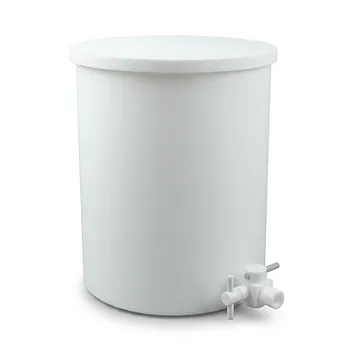
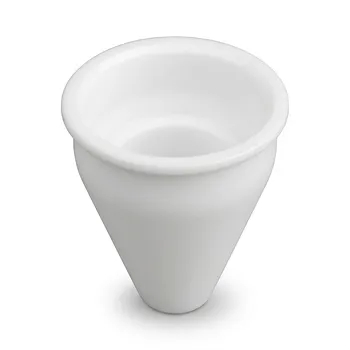
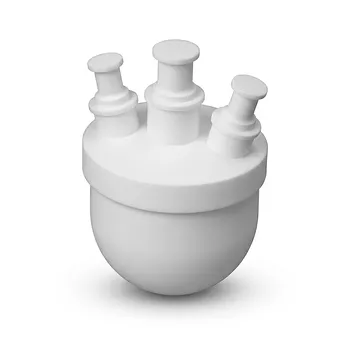
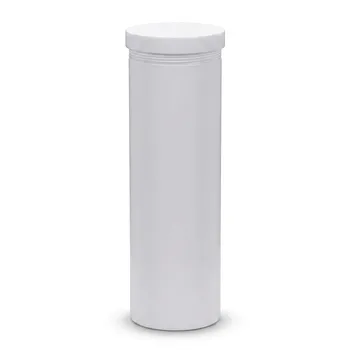
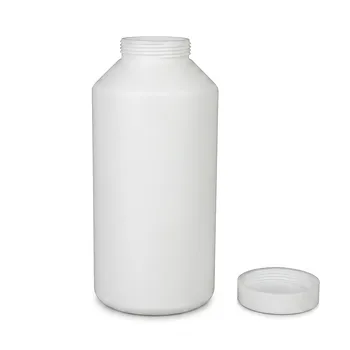
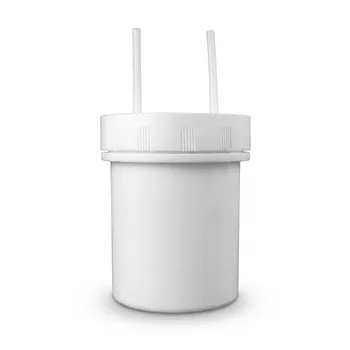
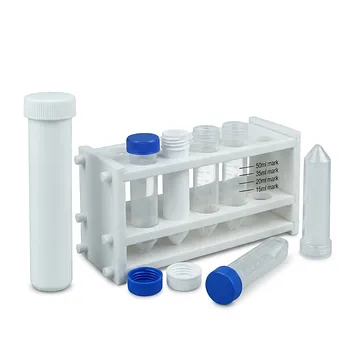
Once the sintered billets are cooled, they serve as the "raw stock" for the final product. Labware like beakers, flasks, and digestion vessels are machined using lathes and milling tools to achieve precise wall thicknesses and smooth surfaces.
Threaded Fittings and Complex Components
High-precision items, such as threaded fittings, valves, and syringe plungers, are machined from extruded rods or sheets. This machining process ensures that the components meet the tight tolerances required for airtight seals and frictionless movement in delicate instruments.
Understanding the Trade-offs
Material Waste vs. Performance
The primary downside of machining PTFE is material waste, as a significant portion of the solid billet is turned into scrap shavings during the carving process. However, this method is the only way to ensure the high density and lack of "voids" necessary for high-performance laboratory environments.
Cost Implications
Because the process involves multiple stages—polymerization, molding, sintering, and then individual machining—PTFE apparatus is significantly more expensive than mass-produced plastic labware. The trade-off is a product with unmatched chemical inertness and thermal stability that cannot be achieved through cheaper methods.
Making the Right Choice for Your Goal
How to Apply This to Your Project
- If your primary focus is extreme chemical purity: Opt for apparatus machined from isostatically molded billets, as this process ensures the most consistent density and lowest risk of contamination.
- If your primary focus is mechanical precision (valves/seals): Ensure the components are precision-machined from extruded stock to take advantage of the material's natural lubricity and tight tolerance capabilities.
- If your primary focus is high-volume cost savings: Consider if alternative fluoropolymers (like PFA) that can be injection-molded meet your chemical resistance requirements, as they may be more cost-effective for simple shapes.
By understanding that PTFE labware is a "sculpted" product rather than a "molded" one, you can better appreciate its durability and the technical constraints governing its use in the lab.
Summary Table:
| Manufacturing Stage | Process Type | Key Outcome |
|---|---|---|
| Raw Material | TFE Polymerization | Creates solid grains of PTFE polymer |
| Pre-forming | Compression/Isostatic Molding | Compacts powder into a dense, solid "blank" |
| Strengthening | Sintering (360°C–380°C) | Fuses particles into a tough, chemically resistant billet |
| Final Shaping | Precision CNC Machining | Carves final vessels with tight tolerances and smooth surfaces |
Elevate Your Research with Precision-Engineered PTFE & PFA Labware
At KINTEK, we specialize in the art and science of high-performance fluoropolymers. Because PTFE cannot be molded like standard plastics, our expert end-to-end custom CNC fabrication ensures every piece of apparatus—from everyday basic labware like beakers, crucibles, and reagent bottles to advanced derivative tools—is machined to perfection.
Whether you require:
- General Consumables: Stirring bars, O-rings, and digestion tubes.
- Fluid Transfer & Filtration: Tubing, valves, separatory funnels, and filters.
- Advanced Apparatus: Custom electrochemical cells, battery testing fixtures, and microwave digestion vessels.
We provide everything from complex non-standard machined parts to high-volume orders, maintaining an absolute focus on material purity and structural integrity. Contact KINTEK today to discuss your bespoke laboratory setup and discover how our high-performance fluoropolymer solutions can enhance your lab's efficiency and precision.
Related Products
- Large Mouth PTFE Sample Storage Drum Custom Chemical Resistant Fluoropolymer Container Acid Base Proof Labware
- Custom Machined PTFE Conical Sample Cell Corrosion Resistant Triangular Fluoropolymer Container for Trace Analysis
- Custom PTFE Flask Large Volume 18L Corrosion Resistant Low Background High Purity Chemical Vessel
- Custom High Purity PTFE Storage Barrel with Corrosion Resistant Threaded Sealing Lid and Low Background Properties 15L
- Custom PTFE Wide Mouth Reagent Reaction Bottle Corrosion Resistant High Temperature Large Capacity Straight Body Laboratory Vessel
People Also Ask
- Are PTFE Laboratory Containers and Fluid Fittings Resistant to All Chemical Solvents? Discover Key Exceptions and Safe Handling Tips
- What chemical conditions or reagents can compromise the integrity of PTFE chemical containers and laboratory equipment? Avoid Alkali Metals, Fluorinating Gases, Extreme Conditions
- How do the distinct solubility characteristics of multi-segment fluorinated block and star polymers influence sample preparation container selection? Choose PTFE/PFA for reliable recovery
- What inherent material characteristics of non-melt-processable PTFE make it suitable for manufacturing high-purity laboratory containers and custom-machined apparatus?
- Why are PFA or PTFE laboratory containers recommended for synthesis with HI or HBr? Ensure Ultra-High Chemical Purity