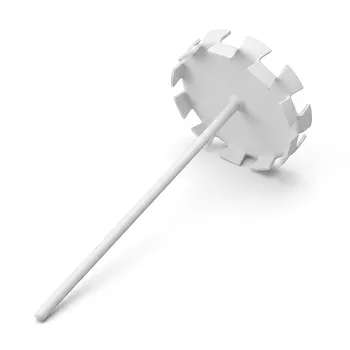
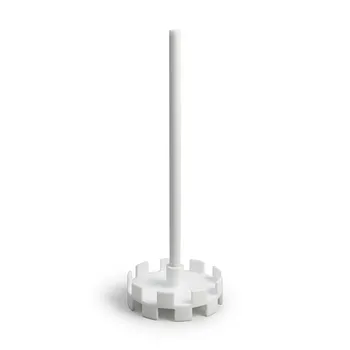
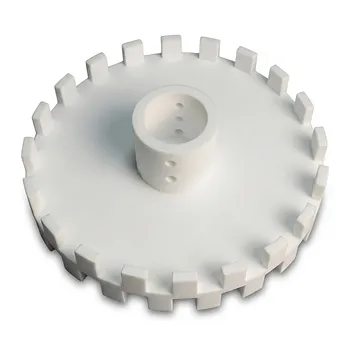
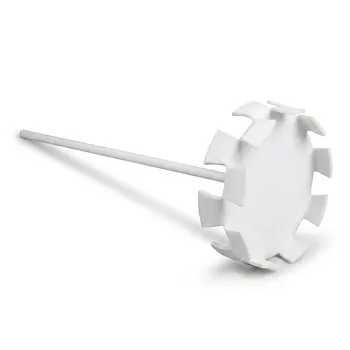
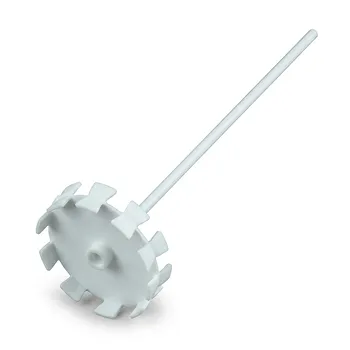
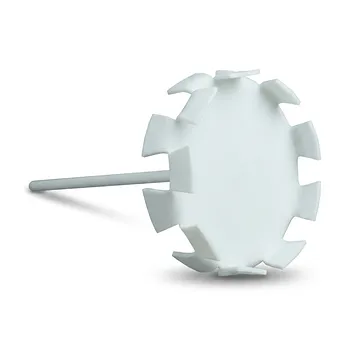
PTFE stirrer shafts solve the conflict between mechanical strength and chemical inertness through a hybrid composite design. These tools typically feature a rigid stainless-steel core encapsulated within a thick, seamless PTFE (Polytetrafluoroethylene) jacket. This configuration allows the internal metal skeleton to transmit high levels of mechanical torque while the outer fluoropolymer shell provides a complete barrier against aggressive chemical reagents.
The central takeaway is that pure PTFE is too flexible for high-torque mixing, so engineers use a metal-reinforced architecture to combine the structural integrity of steel with the universal chemical resistance of a fluoropolymer.
The Mechanics of the Hybrid Design
The Role of the Stainless-Steel Core
The internal metal core acts as the "spine" of the assembly, providing the torsional rigidity required to move viscous fluids. Without this core, a shaft made of solid PTFE would likely twist or deform under the mechanical load of the motor.
The Function of the PTFE Jacket
The outer jacket serves as a impenetrable chemical shield, protecting the steel core from corrosion. Because PTFE is the most chemically inert of all polymers, it can operate in the presence of hydrochloric acid, sulfuric acid, and organic solvents without degrading.
Achieving Zero Metal-to-Fluid Contact
High-quality designs ensure that the PTFE cladding is mechanically locked or hermetically sealed around the core. This design philosophy prevents "wicking," where corrosive fluids might otherwise migrate between the jacket and the core, leading to internal structural failure.
Ensuring Chemical Integrity and Purity
Eliminating Metal Ion Contamination
By fully encapsulating the metal core, these shafts eliminate the risk of metal ion leaching into the reaction. This is critical in pharmaceutical and semiconductor applications where even trace amounts of iron or chromium can ruin a batch or catalyze unwanted side reactions.
Non-Adhesive Properties and Cleaning
The PTFE surface is inherently non-adhesive and self-lubricating, which prevents reactant buildup on the shaft. This "non-stick" quality simplifies the cleaning process between experiments and reduces the risk of cross-contamination.
Resistance to Thermal Stress
PTFE maintains its structural integrity and chemical resistance across a wide temperature range. This allows the stirrer to function effectively in both cryogenic cooling baths and high-temperature reflux reactions without the jacket becoming brittle or melting.
Understanding the Trade-offs
Thermal Expansion Mismatch
One primary challenge is the differing coefficients of thermal expansion between the steel core and the PTFE jacket. If a shaft is subjected to extreme temperature swings too quickly, the PTFE may expand or contract at a different rate than the metal, potentially compromising the seal.
Torque Limits and Core Bonding
While the steel core handles the bulk of the load, the interface between the core and the jacket can be a point of failure. In extremely high-viscosity applications, excessive torque can theoretically cause the PTFE exterior to "strip" or slip around the internal core if they are not properly bonded.
Jacket Permeability and Thickness
While PTFE is highly resistant, it is not entirely non-porous at a molecular level; very thin coatings can sometimes allow gas permeation. Professional-grade stirrer shafts use a thick, extruded jacket rather than a simple spray-on coating to ensure a robust, long-term barrier.
How to Apply This to Your Project
When selecting a stirring solution for your laboratory or production environment, your choice should be dictated by the specific mechanical and chemical demands of your process.
- If your primary focus is high-viscosity mixing: Prioritize shafts with a reinforced stainless-steel core to ensure the assembly can handle the required torque without flexing.
- If your primary focus is ultra-pure chemical synthesis: Ensure the shaft features a seamless, thick PTFE jacket to prevent any possibility of metal contamination or leaching.
- If your primary focus is ease of maintenance: Choose a design with a polished PTFE exterior, which facilitates rapid cleaning and minimizes material loss through adhesion.
By integrating the structural strength of metal with the chemical immunity of PTFE, these hybrid shafts provide a definitive solution for demanding mixing tasks in the world's harshest environments.
Summary Table:
| Feature | Purpose & Benefit |
|---|---|
| Stainless-Steel Core | Acts as the "spine" providing torsional rigidity for mixing viscous fluids. |
| Thick PTFE Jacket | Provides an impenetrable chemical shield against acids and organic solvents. |
| Hermetic Sealing | Prevents wicking and metal-to-fluid contact, eliminating ion contamination. |
| Non-Adhesive Surface | Minimizes reactant buildup and facilitates easy cleaning between experiments. |
| Thermal Stability | Maintains integrity across wide temperature ranges, from cryogenic to reflux. |
Elevate Your Lab’s Durability with KINTEK’s Fluoropolymer Expertise
Don’t compromise between mechanical strength and chemical purity. KINTEK specializes in high-performance laboratory supplies crafted exclusively from PTFE and PFA. Whether you need everyday basic labware like beakers and reagent bottles, or high-purity trace analysis instruments and fluid transfer components (tubing, valves, and fittings), we have you covered.
Our capabilities extend from standard sample prep tools to advanced, custom-engineered reaction apparatus, including electrochemical cells, microwave digestion vessels, and bespoke CNC-machined parts. We provide end-to-end fabrication for both unique laboratory setups and high-volume orders, ensuring absolute resistance to the harshest chemical environments.
Ready to optimize your process? Contact KINTEK today to discuss your custom requirements and experience the precision of world-class fluoropolymer manufacturing.
Related Products
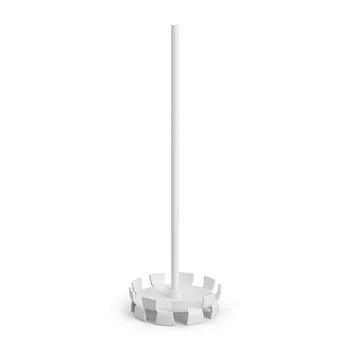
- Custom PTFE Dispersing Disc and Stirring Rod for Chemical Processing and Laboratory Mixing
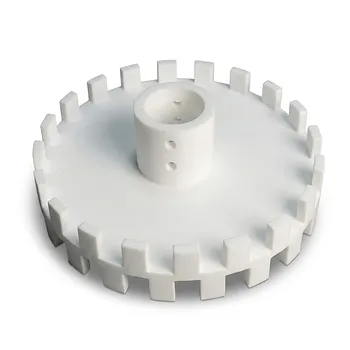
- Corrosion Resistant PTFE Turbine Stirring Disk and High Performance Fluoropolymer Dispersion Impeller for Industrial Chemical Mixing
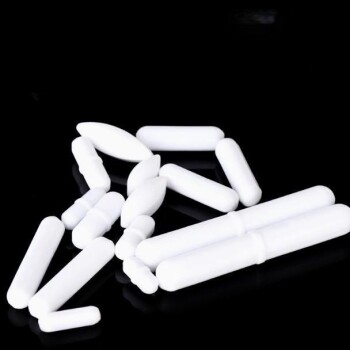
- Custom PTFE Teflon Parts Manufacturer PTFE Magnetic Stirring Bar
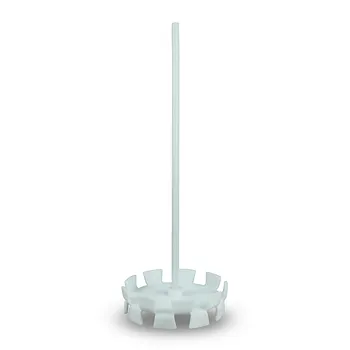
- Corrosion Resistant PTFE Dispersing Disc and High Temperature Propeller Stirring Paddle for Laboratory Chemical Mixing
- High Purity Corrosion Resistant PTFE Dispersion Disk and Inert Stirring Paddle for Food Pharmaceutical and Cosmetic Mixing
People Also Ask
- How do PTFE rods contribute to energy efficiency in industrial applications? Reduce Friction & Power Consumption
- What are PTFE rods and how are they manufactured? A Guide to Their Properties and Production
- What are the different types of PTFE rods available based on manufacturing technology? Choose the Right Type for Your Project
- How are PTFE rods utilized in electronic and electrical applications? Unlock Superior Performance & Reliability
- How are Teflon rods applied in the automotive and aerospace industries? Solve Friction, Heat, and Chemical Challenges