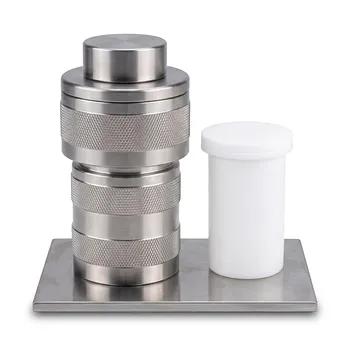
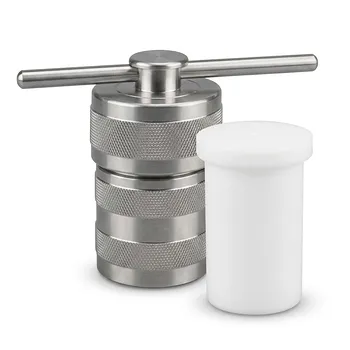
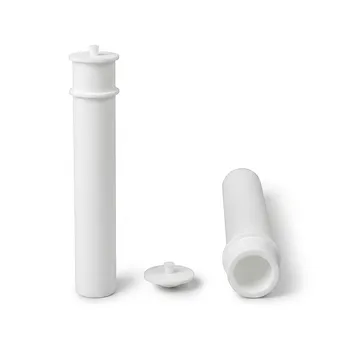
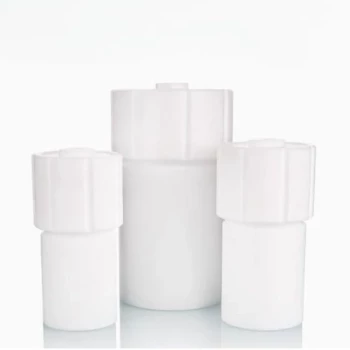
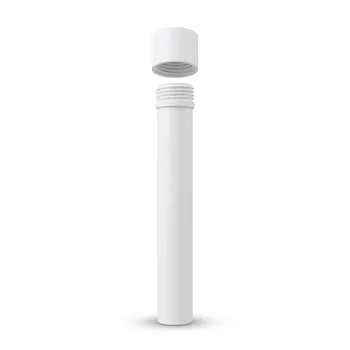
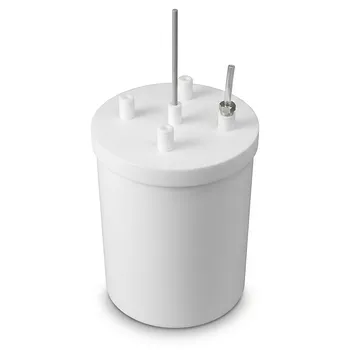
The high-pressure digestion bomb is the fundamental containment system that enables the extreme conditions required for microwave-assisted MOF synthesis.
In this process, the vessel acts as a sealed reactor designed to withstand the intense internal pressure generated when solvents like DMF, ethanol, or water are heated rapidly. By creating this high-pressure environment, the vessel accelerates the coordination between metal ions and organic ligands, reducing synthesis times from several hours to just a few minutes while ensuring rapid crystal nucleation.
Core Takeaway: High-pressure digestion bombs provide the sealed, high-temperature environment necessary to exceed solvent boiling points, which drastically accelerates reaction kinetics and ensures the formation of highly crystalline frameworks with superior surface areas.
Accelerating Reaction Kinetics and Nucleation
Elevating Solvent Boiling Points
The primary role of the digestion bomb is to facilitate solvothermal conditions by preventing the solvent from evaporating. In a sealed vessel, solvents can be heated significantly higher than their atmospheric boiling points, which increases the solubility of metal precursors.
Rapid Coordination and Growth
Under high pressure, the chemical reaction between metal precursors (such as iron chloride or titanate) and organic ligands (such as 2-aminoterephthalic acid) occurs much faster. This environment ensures the rapid nucleation and growth of crystals, such as oxalate-based MOFs, while maintaining the structural integrity of the framework.
Energy Efficiency via Microwave Coupling
The vessel allows microwave energy to interact directly with the reagents and solvents inside. This targeted heating, combined with the high-pressure environment, ensures that complex frameworks like H4DOBDC reach completion in a fraction of the time required by conventional heating methods.
Maintaining Structural Purity and Integrity
The Role of High-Performance Liners
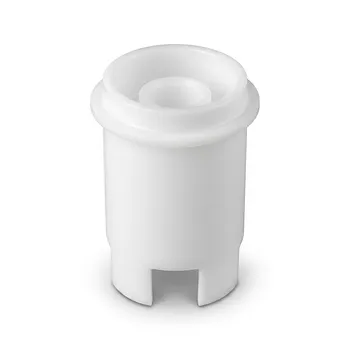
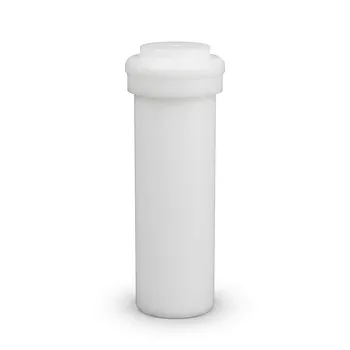
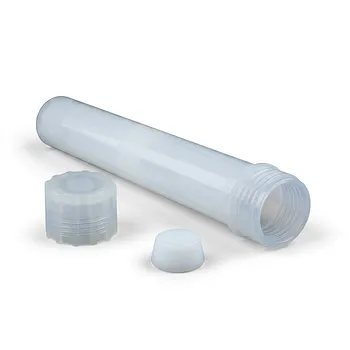
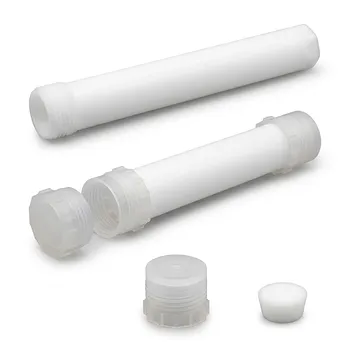
Most digestion bombs utilize PTFE (Teflon) or fluoropolymer liners to create a chemically inert reaction space. These liners isolate corrosive precursors and solvents from the stainless steel vessel body, preventing metal ion leaching that could contaminate the synthesis.
Ensuring Surface Area and Porosity
The high-pressure environment facilitates thorough crystallization, which is critical for achieving high specific surface areas. This results in regular pore structures that are essential for applications like uranium ion adsorption or gas storage.
Preventing Reagent Loss
Because the system is completely closed, it prevents the volatilization and escape of critical reaction components. This ensures that the stoichiometry of the reaction remains precise and that the final crystalline product is chemically consistent.
Understanding the Trade-offs
Pressure and Safety Limits
While higher pressure accelerates reactions, it also presents a safety risk if the vessel's pressure-bearing capacity is exceeded. Most vessels are rated for specific limits (often around 200 psi), and exceeding these through overfilling or excessive heating can lead to catastrophic failure.
Material Limitations
While PTFE liners provide excellent corrosion resistance, they have a maximum temperature ceiling (typically around 250°C). Operating near these limits for extended periods can cause the liner to deform, potentially compromising the seal and the purity of the MOF.
Scalability Constraints
High-pressure bombs are typically designed for batch processing at relatively small scales. Transitioning from small-vessel microwave synthesis to large-scale production requires complex engineering to maintain the same pressure-temperature profiles in larger volumes.
How to Apply This to Your Synthesis
When selecting and using a digestion bomb for MOF synthesis, your choice should be driven by your specific material goals.
- If your primary focus is rapid crystal discovery: Utilize the high-pressure capabilities to screen different metal-ligand combinations in minutes rather than days.
- If your primary focus is maximum surface area: Ensure the use of high-quality PTFE liners to prevent contamination and facilitate the formation of highly regular, non-clogged pore structures.
- If your primary focus is morphology control: Use the sealed environment to precisely tune the temperature and pressure, which allows for the growth of specific nanostructures like nanorods.
By mastering the high-pressure environment within these vessels, researchers can transform MOF synthesis from a slow, thermal process into a rapid, highly controlled precision science.
Summary Table:
| Feature | Role in MOF Synthesis | Key Benefit |
|---|---|---|
| Sealed Environment | Prevents solvent evaporation | Elevates boiling points for solvothermal conditions |
| Pressure Containment | Accelerates coordination kinetics | Reduces synthesis time from hours to minutes |
| PTFE/PFA Liners | Provides a chemically inert space | Prevents metal ion leaching and contamination |
| Microwave Coupling | Allows direct energy interaction | Ensures targeted heating and rapid crystal growth |
| Closed System | Maintains stoichiometry | Prevents loss of critical reagents and precursors |
Elevate Your MOF Research with KINTEK Precision
Unlock superior crystallization and faster reaction times with KINTEK’s high-performance fluoropolymer laboratory solutions. From high-purity microwave digestion vessels and PTFE/PFA liners specifically designed for solvothermal synthesis to everyday essentials like beakers, crucibles, and high-purity trace analysis tools, we provide the reliable containment your advanced research demands.
Whether you need standard consumables like stirring bars and O-rings or complex custom CNC-fabricated reaction apparatus and electrochemical cells, KINTEK is your absolute partner for fluoropolymer excellence. Our end-to-end manufacturing ensures that everything from bespoke lab setups to high-volume orders meets the rigorous standards of high-performance materials.
Ready to optimize your synthesis workflow? Contact KINTEK today for custom-engineered labware and expert technical support!
References
- Rodrigo Andrés Espinosa-Flores, Arturo Susarrey‐Arce. Electrochemical CO <sub>2</sub> reduction to alcohols using flexible and rigid MOF electrocatalysts. DOI: 10.1039/d5ta00224a
This article is also based on technical information from Kintek Knowledge Base .
Related Products
- PTFE Lined High Pressure Digestion Vessel 50ml High Temperature Hydrothermal Synthesis Tank
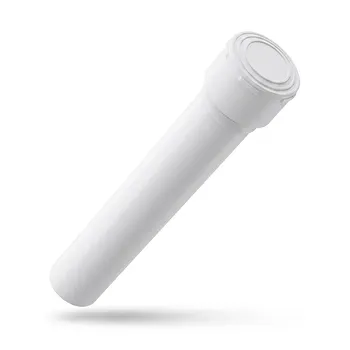
- 5ml High Pressure PTFE Digestion Vessel for Geological Mineral Analysis Corrosion Resistant Polytetrafluoroethylene TFM Digestion Inner Liner
- High Pressure PTFE Digestion Vessel Inner Cup Holder Custom Corrosion Resistant Low Background Teflon
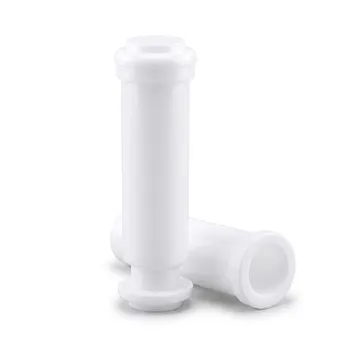
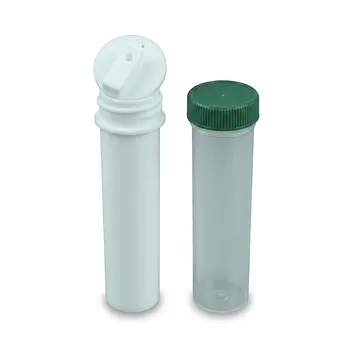
- High Purity TFM Microwave Digestion Vessels for Trace Analysis and Custom Sample Preparation Systems
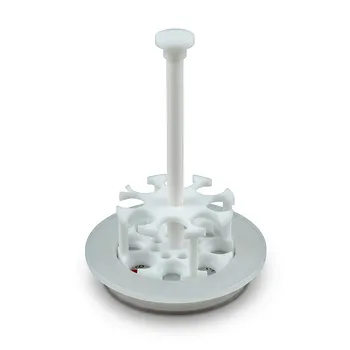
- High Performance TFM Microwave Digestion Vessel Rack 15 Position Customizable Sample Preparation Support
People Also Ask
- What are the benefits of using a PTFE-lined vessel for carbon-sulfur cathode treatment? Maximize Purity & Performance
- Why are PTFE-lined pressure digestion vessels required for the preparation of Ag/CeO2 catalysts? Purity & Performance
- What safety features are typically incorporated into high-pressure PTFE digestion vessel designs? Ensure Lab Safety
- What is the function of PTFE lined high-pressure vessels in g-C3N4 synthesis? Achieve High-Purity Material Growth
- Role of High-Pressure Digestion Tanks in Perovskite Synthesis: Achieve Superior Stability and Latent Heat