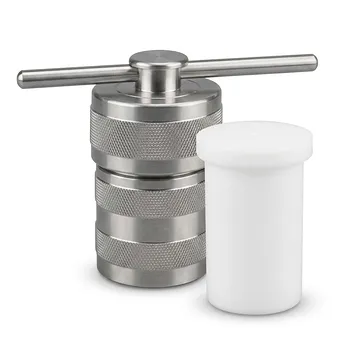
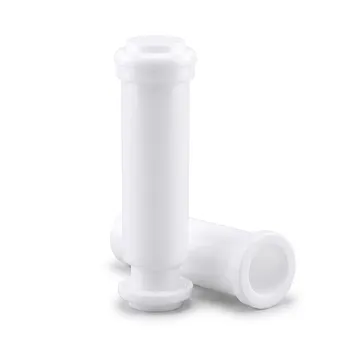
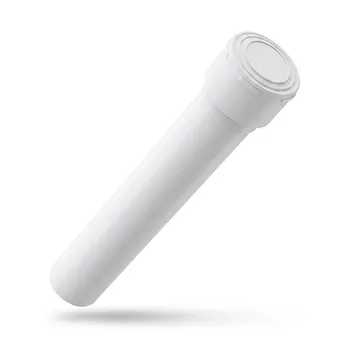
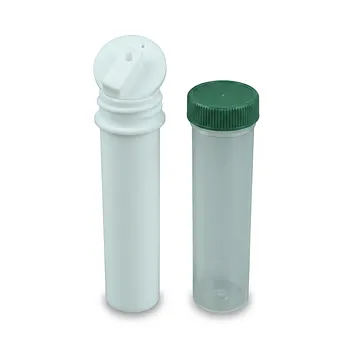
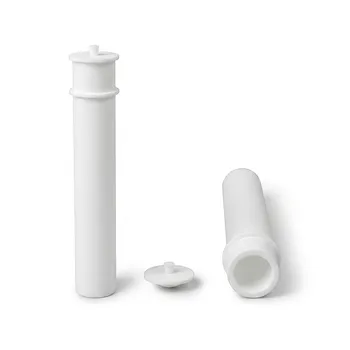
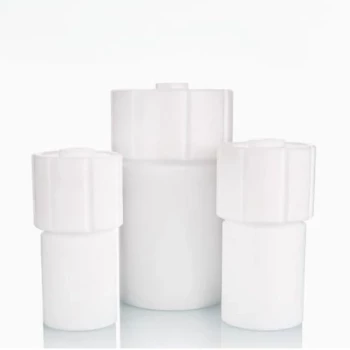
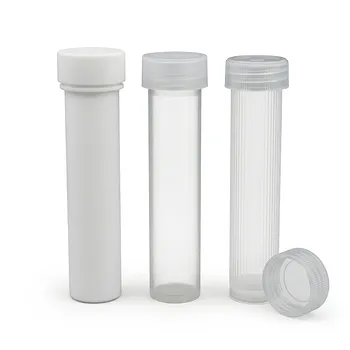
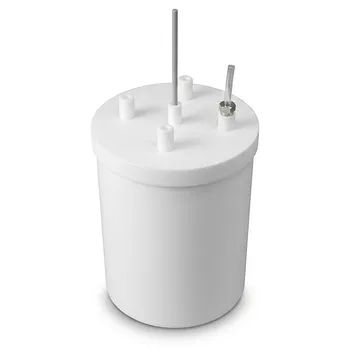
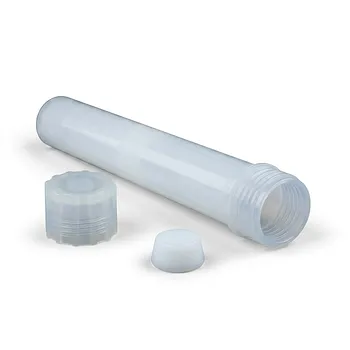
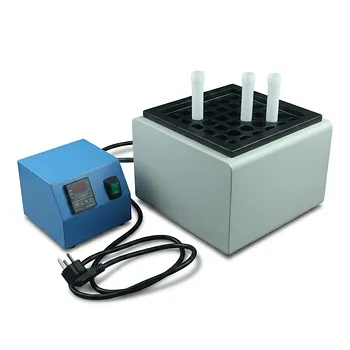
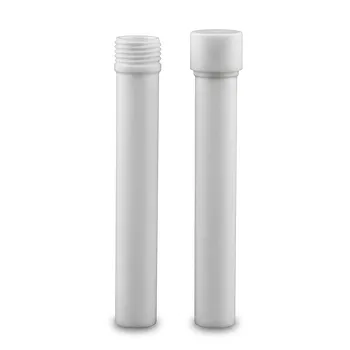
High-pressure digestion vessels are essential for zeolite analysis because they provide the extreme physical conditions necessary to break down their exceptionally stable crystalline frameworks. By maintaining a sealed environment at elevated temperatures, these vessels force aggressive acids like hydrofluoric acid and aqua regia to dissolve the silicate lattice entirely. This process ensures that all metallic components, such as aluminum, silicon, and vanadium, are fully released into a homogeneous liquid phase required for accurate Inductively Coupled Plasma (ICP) analysis.
The core advantage of high-pressure digestion is the ability to achieve total sample dissolution while preventing the loss of volatile elements. This creates a high-fidelity liquid representation of the solid zeolite, ensuring that elemental concentrations are neither underestimated nor skewed by contamination.
Overcoming the Zeolite Framework Stability
Complete Dissolution of the Silicate Lattice
Zeolites possess a highly stable, three-dimensional crystalline structure that is resistant to standard atmospheric digestion. High-pressure vessels allow the reaction to occur at temperatures significantly higher than the atmospheric boiling point of the acids. This increased thermal energy provides the necessary force to rupture the silicon-oxygen bonds, ensuring the framework fully collapses into the solution.
Achieving Homogeneity for ICP Analysis
For techniques like ICP-AES or ICP-OES to function correctly, the sample must be a perfectly clear, particle-free liquid. Any undissolved micro-crystals can lead to clogged nebulizers or inconsistent signal intensity during analysis. High-pressure digestion guarantees a homogeneous sample, which is the foundation of reproducible and defensible analytical data.
Ensuring High Recovery and Precision
Prevention of Volatile Element Loss
Certain elements, such as selenium or mercury, can easily volatilize and escape as gases during open-vessel digestion. The superior sealing capacity of high-pressure vessels keeps these volatile components trapped within the system. This leads to higher recovery rates and prevents the systematic underreporting of trace elements that are critical for catalyst characterization.
Minimizing Trace Element Contamination
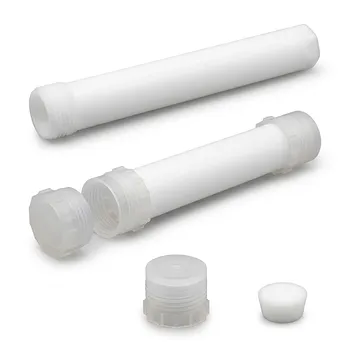
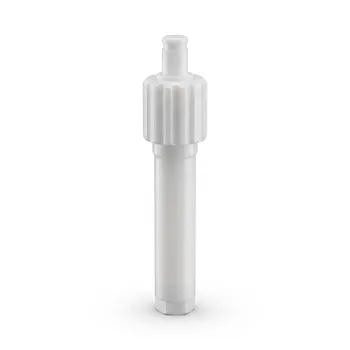
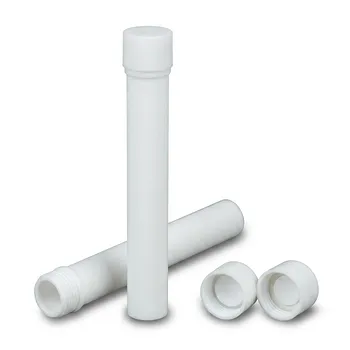
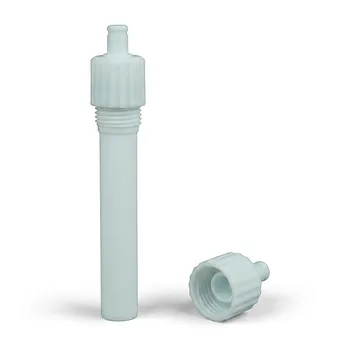
High-quality digestion vessels are typically fabricated from fluoropolymers like PTFE or PFA, which are chemically inert. These materials exhibit extremely low impurity leaching, even when exposed to concentrated acids at 210°C. By using these high-purity materials, laboratories can measure trace heavy metals without the risk of "background noise" or cross-contamination from the vessel itself.
Understanding the Trade-offs
Safety and Pressure Management
The primary trade-off of this method is the inherent risk associated with high-pressure gaseous environments. If a sample contains high organic content or if the acid-to-sample ratio is incorrect, the vessel can exceed its safety rating (typically around 32 bar). Strict adherence to venting protocols and pressure monitoring is required to prevent vessel failure.
Material Wear and Maintenance
While PTFE and PFA are highly resistant, they are not indestructible and can suffer from mechanical fatigue over repeated high-pressure cycles. Over time, the seals may degrade or the inner walls may become pitted, which can trap residues from previous samples. This necessitates a rigorous cleaning regimen and periodic replacement of vessel liners to maintain analytical integrity.
How to Apply This to Your Laboratory
When selecting a digestion strategy for zeolite materials, consider the specific requirements of your end-analysis.
- If your primary focus is Silicon and Aluminum recovery: Use high-pressure vessels with Hydrofluoric (HF) acid to ensure the silicate framework is fully volatilized or complexed into the liquid phase.
- If your primary focus is Trace Metal Contamination: Prioritize PFA-lined vessels over standard PTFE, as PFA typically offers lower trace-element background levels for high-sensitivity mass spectrometry.
- If your primary focus is Throughput and Speed: Utilize a microwave-assisted high-pressure system, which uses microwave energy to heat the solution directly, significantly shortening the digestion cycle compared to traditional ovens.
By utilizing high-pressure digestion, you transform the challenge of zeolite stability into a controlled, precise, and highly repeatable analytical workflow.
Summary Table:
| Feature | Advantage | Analytical Benefit |
|---|---|---|
| Extreme Heat/Pressure | Ruptures stable silicate crystalline bonds | Enables complete sample dissolution |
| Sealed Environment | Prevents escape of gaseous elements (e.g., Hg, Se) | Ensures high recovery of volatile traces |
| Fluoropolymer Liners | PTFE/PFA materials are chemically inert | Eliminates trace element contamination |
| Total Solubilization | Creates clear, particle-free liquid phases | Prevents ICP nebulizer clogs & signal drift |
Elevate Your Analytical Precision with KINTEK Fluoropolymer Solutions
When your research demands absolute purity and total sample recovery, the quality of your digestion vessels is non-negotiable. KINTEK specializes in high-performance fluoropolymer manufacturing, providing the durability and chemical inertness required to break down even the most stable zeolite frameworks.
From high-pressure digestion vessels and hydrothermal synthesis liners to a comprehensive range of lab essentials—including PFA reagent bottles, PTFE beakers, and precision-engineered fluid transfer components—we deliver the tools necessary for defensible analytical data. Our expertise extends beyond standard supplies to end-to-end custom CNC fabrication, allowing us to create bespoke laboratory setups, complex non-standard machined parts, and advanced reaction apparatus tailored to your specific workflow.
Ready to optimize your sample preparation? Contact our experts today to discuss how KINTEK’s exclusive focus on high-performance PTFE and PFA materials can enhance your laboratory's efficiency and accuracy.
References
- Jose A. Mendoza Mesa, Michiel Dusselier. Tuning oxidative propane dehydrogenation while co-converting CO <sub>2</sub> over vanadium containing CHA zeolites. DOI: 10.1039/d4cy01242a
This article is also based on technical information from Kintek Knowledge Base .
Related Products
- PTFE Lined High Pressure Digestion Vessel 50ml High Temperature Hydrothermal Synthesis Tank
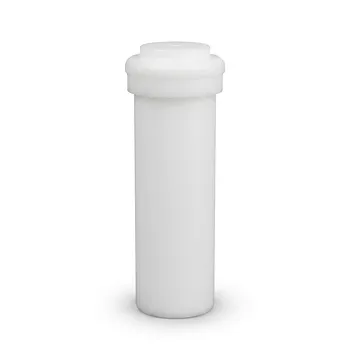
- 5ml High Pressure PTFE Digestion Vessel for Geological Mineral Analysis Corrosion Resistant Polytetrafluoroethylene TFM Digestion Inner Liner
- High Pressure PTFE Digestion Vessel Inner Cup Holder Custom Corrosion Resistant Low Background Teflon
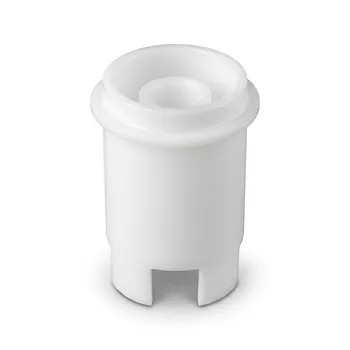
- High Purity TFM Microwave Digestion Vessels for Trace Analysis and Custom Sample Preparation Systems
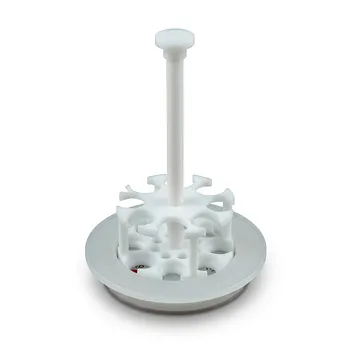
- High Performance TFM Microwave Digestion Vessel Rack 15 Position Customizable Sample Preparation Support
People Also Ask
- What are the benefits of using a PTFE-lined vessel for carbon-sulfur cathode treatment? Maximize Purity & Performance
- Why are PTFE-lined pressure digestion vessels required for the preparation of Ag/CeO2 catalysts? Purity & Performance
- What is the function of high-pressure PTFE digestion vessels in mineral analysis? Optimize Sample Mineralization
- What safety features are typically incorporated into high-pressure PTFE digestion vessel designs? Ensure Lab Safety
- What is the function of PTFE lined high-pressure vessels in g-C3N4 synthesis? Achieve High-Purity Material Growth