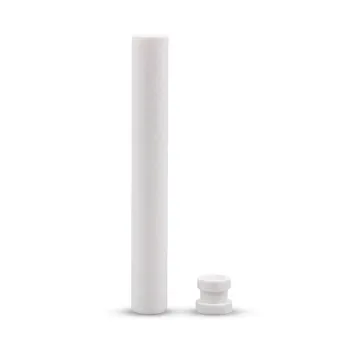
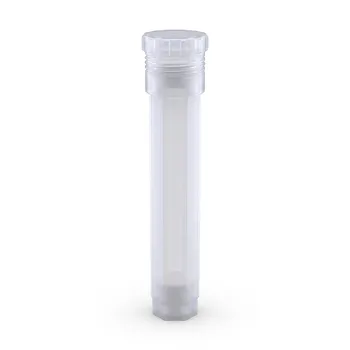
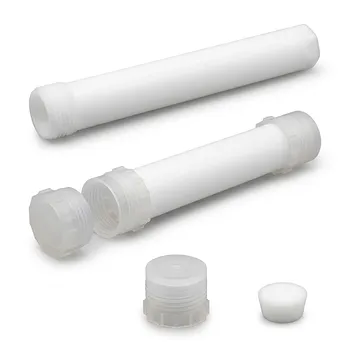
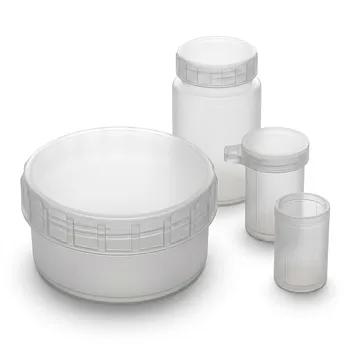
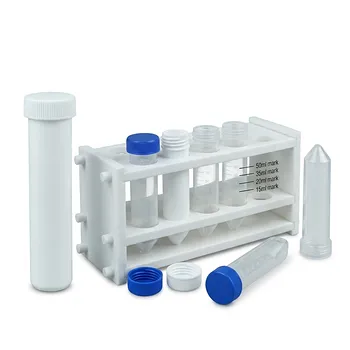
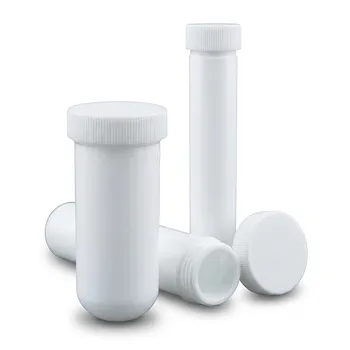
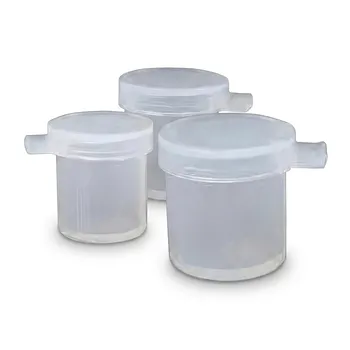
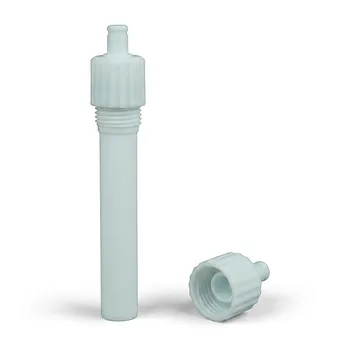
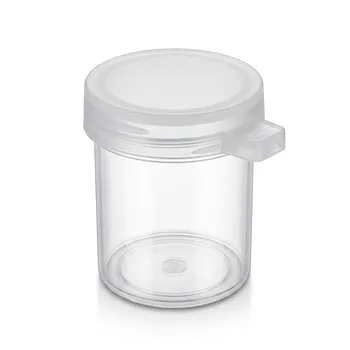
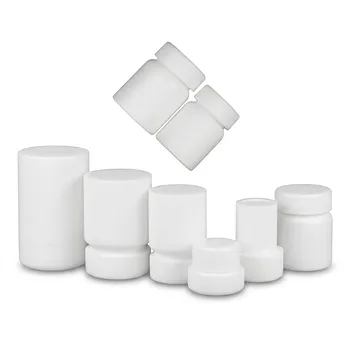
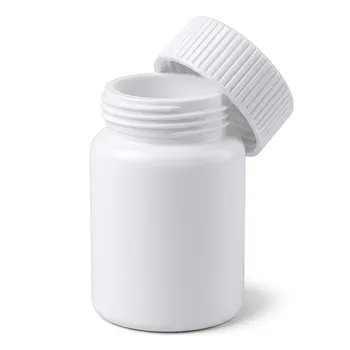
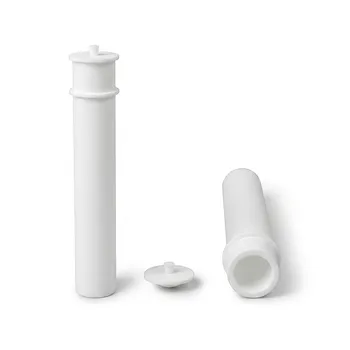
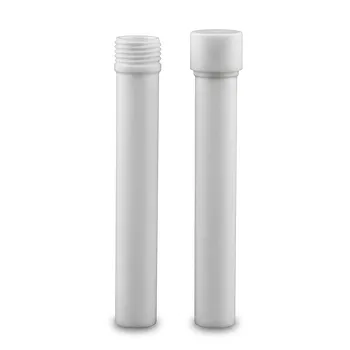
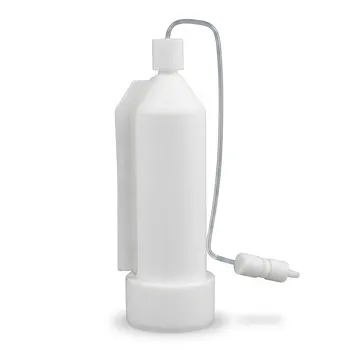
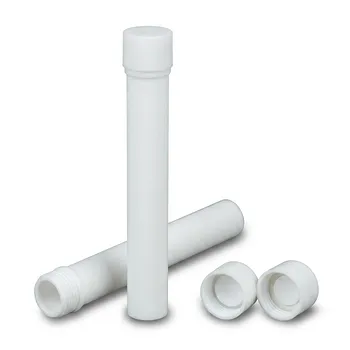
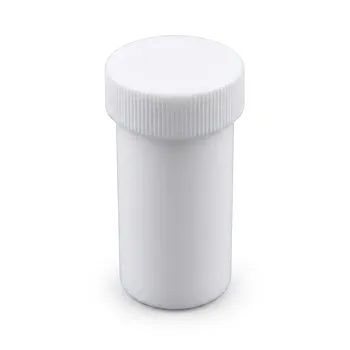
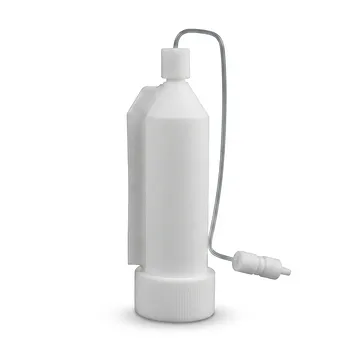
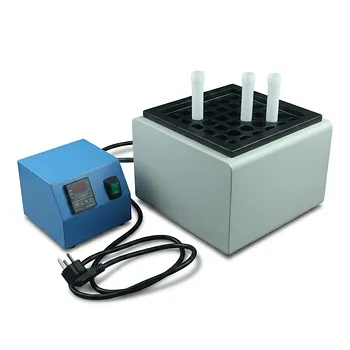
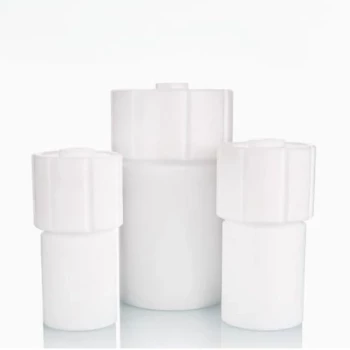
High-purity PFA and PTFE vessels can be critical to trace analysis because they minimize chemical contamination, analyte loss, and background interference. Their smooth, chemically inert surfaces are well suited to aggressive digestion, dilution, and storage, particularly when measuring trace elements or other strongly reactive compounds. However, for PFAS-specific analysis, including PFOA and PFOS, fluoropolymer vessels are not automatically the best choice: PTFE and PFA are themselves fluorinated materials and can be sources of PFAS background or cross-contamination unless their use is explicitly validated by the analytical method.
At ultra-trace PFAS concentrations, the container is part of the measurement system. The correct vessel must prevent both adsorption-related recovery losses and contamination from the vessel, and for PFAS methods that often means using rigorously tested polypropylene or polyethylene rather than PTFE or PFA.
Why PFAS Analysis Is Especially Vulnerable
PFAS are measured at extremely low concentrations
Environmental PFAS may be present at ng/L to low-ng/mL concentrations, depending on the sample and regulatory method. At these levels, a small amount of contamination from a cap, tube, solvent, tubing, or vessel can materially change the reported result.
The problem is not limited to instrument sensitivity. The entire sample path must remain controlled from collection through extraction, concentration, transfer, and instrumental analysis.
PFAS are surface-active compounds
Many PFAS have both a fluorinated, hydrophobic segment and a charged or polar functional group. This combination can promote interactions with container walls, particulates, organic films, and other surfaces.
Adsorption can reduce recovery and produce results that are falsely low. The effect may be especially significant for longer-chain compounds and for samples with low analyte mass.
Contamination and recovery errors have opposite appearances
A contaminated vessel can cause a false high result, while adsorption can cause a false low result. These errors may occur simultaneously, making the result difficult to diagnose without method blanks, matrix spikes, and other quality-control samples.
A container that appears chemically clean in a conventional laboratory test may still be unsuitable for PFAS work if it contributes measurable target compounds or related background.
What High-Purity Fluoropolymers Do Well
PFA and PTFE resist aggressive chemistry
PFA, or perfluoroalkoxy polymer, and PTFE, or polytetrafluoroethylene, are highly resistant to acids, bases, solvents, and elevated digestion temperatures. This makes them useful for demanding sample-preparation procedures where ordinary plastics may deform, swell, or leach additives.
Their chemical inertness is particularly valuable in digestion vessels and pre-treatment equipment for trace-element analysis.
Their surfaces can reduce nonspecific sample loss
High-quality fluoropolymer surfaces have low surface energy and are smooth, which can reduce adhesion of many compounds compared with less suitable materials. This can help preserve sample concentration during transfers, rinsing, and storage.
That benefit should not be generalized into a guarantee of negligible PFAS adsorption. PFAS behavior depends on chain length, functional group, matrix composition, pH, ionic strength, concentration, and contact time.
They have low conventional contamination backgrounds
High-purity PFA and PTFE products are manufactured to minimize trace metals, plasticizers, and other extractable impurities. In applications such as acid digestion and multi-element analysis, this low background can be essential for maintaining the validity of blank and calibration results.
This is where the primary reference is strongest: high-purity vessels can prevent vessel-derived contamination and analyte loss in trace analysis. The limitation is that low metal background does not automatically mean low PFAS background.
Why PFAS Methods Require a Different Material Decision
Fluoropolymer materials can be a PFAS contamination risk
PTFE, PFA, FEP, and related fluoropolymers contain fluorinated polymer chemistry. Manufacturing residues, processing aids, surface treatments, or contamination from production and laboratory handling may introduce measurable PFAS or other fluorinated substances.
Therefore, a product described as “high purity” for trace metals may not be qualified as PFAS-free. Purity specifications must match the analytes and detection method.
Standard PFAS methods often restrict fluoropolymer contact
Validated PFAS workflows commonly restrict or exclude fluoropolymer materials in the sample-contact path. Polypropylene and high-density polyethylene are frequently selected instead, provided that the specific products are tested for background contamination and recovery performance.
This restriction can include vessels, caps, tubing, filters, seals, and instrument components. Replacing only the main sample bottle is not sufficient if another fluoropolymer component remains upstream.
Glass is not automatically a safe alternative
Glass can be problematic because some PFAS may adsorb to glass surfaces, particularly under low-concentration conditions or during extended storage. Glass may also be unsuitable for certain extraction chemistries or sample matrices.
The correct conclusion is not that all glass is unusable, but that glass, plastic, and fluoropolymer contact materials must be evaluated against the target compounds and the validated method.
Digestion Vessels and Sample Containers Have Different Requirements
Digestion vessels must tolerate the preparation chemistry
A digestion vessel must withstand the selected acids, oxidants, solvents, pressure, and temperature without deforming or contributing contaminants. PFA and PTFE are strong candidates for many digestion applications, especially trace-element workflows.
For PFAS, however, digestion is not always the central preparation step. Many environmental methods use extraction and cleanup procedures designed to preserve PFAS rather than destroy or transform matrix components through harsh digestion.
Sample containers must preserve concentration during storage
Storage containers must limit adsorption, leakage, evaporation, contamination, and changes caused by prolonged contact. The appropriate material depends on the analytes, matrix, storage period, temperature, and method requirements.
A vessel that performs well during a short hot digestion may not be the best container for long-term storage of dilute PFAS extracts.
Caps and closures matter as much as the vessel
Contamination can originate from liners, septa, gaskets, tubing, and transfer tools. A clean bottle with an unsuitable fluoropolymer-lined cap can still compromise a PFAS result.
Material selection therefore needs to cover the complete contact path, not just the vessel body.
How to Demonstrate That a Vessel Is Suitable
Use method blanks and equipment blanks
A method blank reveals contamination introduced during the complete preparation process. Equipment blanks and rinse blanks can help identify whether a particular vessel, tube, cap, or transfer step is contributing background.
For PFAS, blanks should be reviewed compound by compound rather than treated as a single general cleanliness check.
Verify recovery with matrix spikes
Matrix-spike and duplicate-spike results show whether the selected container and preparation process are causing analyte loss or matrix-dependent suppression. Poor recovery can indicate adsorption, extraction problems, degradation, or instrument effects.
Container qualification should include the relevant PFAS chain lengths and functional groups, not only one representative compound.
Follow the validated analytical method
A validated method defines acceptable materials, cleaning procedures, blank limits, holding times, and quality-control criteria. For regulatory or defensible environmental reporting, those requirements should take priority over a general claim that a material is chemically inert.
If PFA or PTFE is necessary for a particular digestion step, its use should be demonstrated through method blanks, recovery studies, and contamination controls.
Understanding the Trade-offs
The main advantage is chemical robustness
PFA and PTFE offer excellent resistance to harsh reagents, low extractable backgrounds for many trace analyses, and durable smooth surfaces. These properties make them valuable laboratory materials.
Their advantage is strongest when the analytical target is not itself associated with fluorinated polymer materials, or when the method has specifically qualified those materials.
The main risk is analyte-specific contamination
For PFAS analysis, “high purity” is not a sufficient purchasing specification. A vessel may be clean for metals, phthalates, or general organic extractables while still being unsuitable for PFOA, PFOS, or other PFAS.
The relevant question is whether the material produces acceptable PFAS blanks and recoveries under the actual method conditions.
Material substitution can create new errors
Switching from PFA or PTFE to polypropylene or polyethylene without validation can change adsorption, extract recovery, solvent compatibility, and holding-time behavior. Likewise, assuming that one plastic product represents all products made from that resin is unsafe.
Every selected product should be assessed as part of the workflow, including its manufacturing history, cleaning procedure, supplier documentation, and measured blank performance.
Making the Right Choice for Your Goal
The material decision should be based on the analyte, preparation chemistry, and validated quality-control limits.
- If your primary focus is PFAS quantification: Use the material specified by the validated PFAS method, commonly qualified polypropylene or polyethylene, and demonstrate suitability with method blanks, matrix spikes, and product-specific testing.
- If your primary focus is trace-element digestion: Use high-purity PFA or PTFE vessels when their chemical resistance and low elemental background are required, while controlling vessel cleaning and reagent blanks.
- If your primary focus is mixed PFAS and trace-element workflows: Separate the workflows where possible, because the material that minimizes elemental contamination may not be appropriate for PFAS measurement.
- If your primary focus is long-term sample storage: Qualify the complete container and closure assembly for the intended holding time, temperature, matrix, and PFAS panel rather than relying on the vessel resin alone.
Accurate PFAS analysis depends on treating container materials as a validated part of the measurement method, not as interchangeable laboratory accessories.
Summary Table:
| Aspect | High-Purity PFA/PTFE | Polypropylene (PP) / Polyethylene (PE) |
|---|---|---|
| Chemical resistance | Excellent against acids/bases/solvents | Good but limited for aggressive digestion |
| PFAS contamination risk | May contribute PFAS background | Lower if tested and qualified |
| Adsorption of PFAS | Possibly lower than some plastics | Generally lower if appropriate grade |
| Use in PFAS methods | Often restricted or excluded | Commonly specified in validated methods |
| Suitability for trace elements | Very high (low metal background) | Usually not suitable |
For reliable PFAS analysis, ensure your lab uses validated consumables. KINTEK offers a range of high-purity PTFE and PFA labware designed for demanding trace element analysis, but for PFAS workflows, we also provide polypropylene and polyethylene options that meet method requirements. Our experts can help you select the right vessels for your specific application, backed by our custom manufacturing and supply reliability. Contact us today to discuss your requirements and benefit from our tailored solutions for environmental testing labs.
Related Products
- 15 Position Customizable Microwave Digestion Vessel Rack High Purity PTFE PFA Non Stick Laboratory Sample Preparation System
- High Purity PTFE PFA Microwave Digestion Vessels Custom Acid Digestion Tanks for Laboratory Sample Preparation
- High Purity Laboratory Microwave Digestion Vessel Customizable PFA PTFE Digestion Tank for Analytical Sample Preparation Trace Metal Analysis
- PFA Reaction Jar Corrosion Resistant Wide Mouth PTFE Lab Bottle High Purity Chemical Vessel
- Custom PTFE Digestion Tubes and High Purity Polytetrafluoroethylene Centrifuge Vessels 60ml for Trace Analysis
People Also Ask
- What key thermal and chemical properties of fluoropolymers like PTFE and PFA enable their performance in extreme environments like microwave digestion vessels? Discover the science behind their superior performance.
- What are the advantages of using microwave digestion vessels for environmental analysis? Boost speed and sample accuracy.
- What safety features are commonly integrated into microwave digestion vessels? Ensuring High-Pressure Laboratory Safety
- What are the advantages of using microwave digestion vessels? Optimize EG@MO synthesis with superior thermal control.
- Why is PTFE preferred for microwave-assisted Ln-MOF synthesis? Key Benefits for Purity & Speed