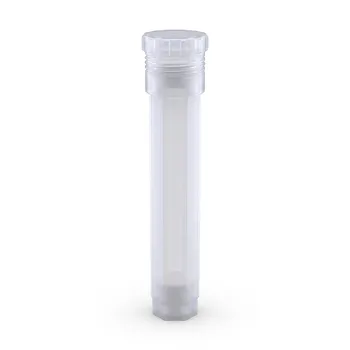
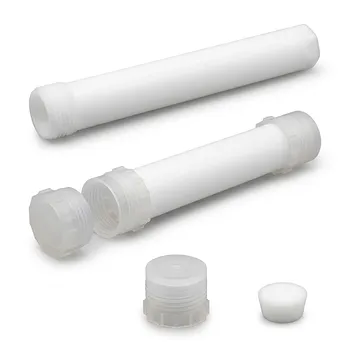
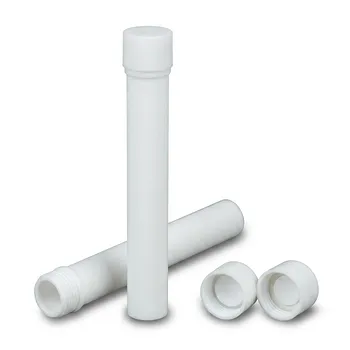
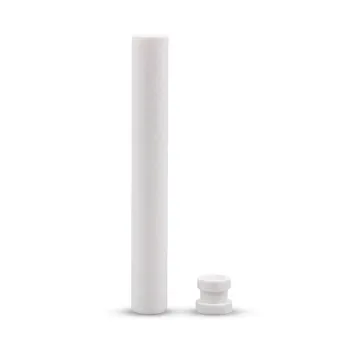
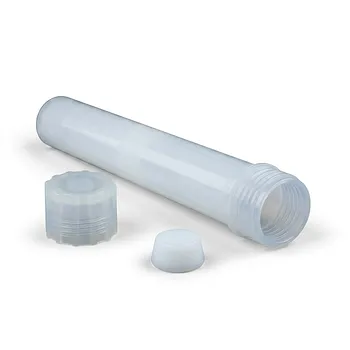
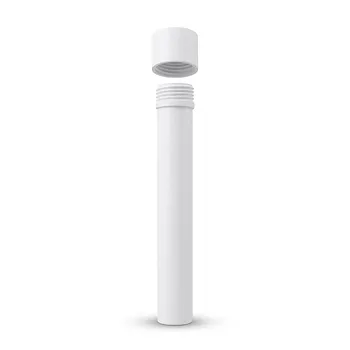
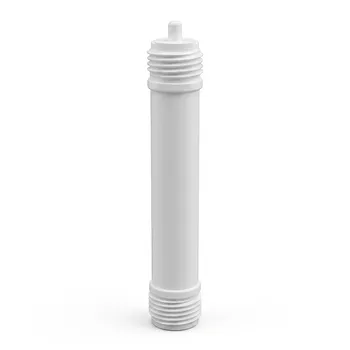
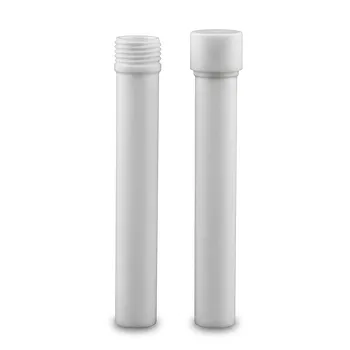
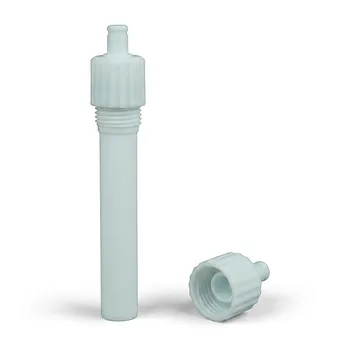
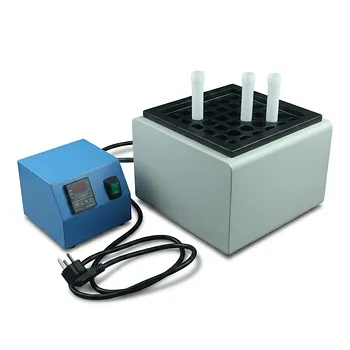
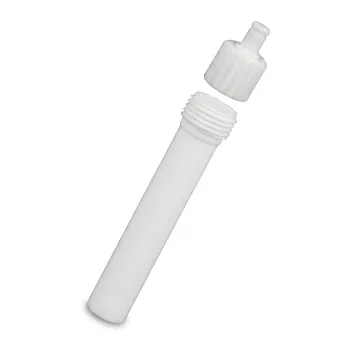
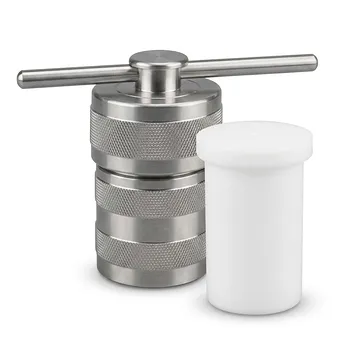
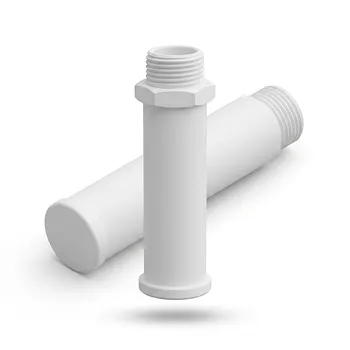
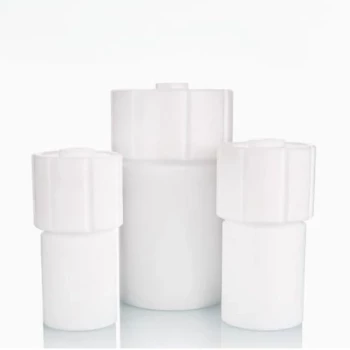
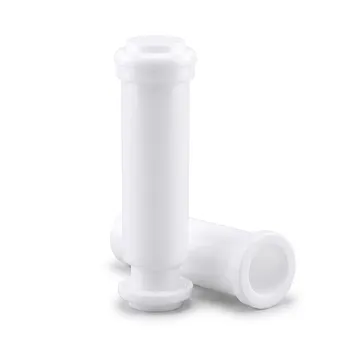
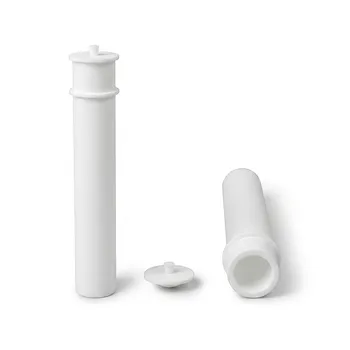
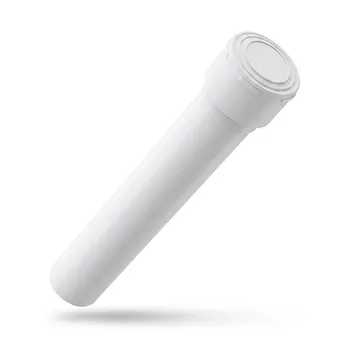
PFA and PTFE high-pressure vessels are indispensable for selenium analysis in polysaccharides because they provide the necessary thermal and chemical stability to decompose complex organic matrices. These vessels allow for complete mineralization of the sample under extreme microwave energy, converting bound selenium into an ionic state suitable for high-sensitivity detection. By maintaining an airtight, high-pressure environment, they prevent the loss of volatile selenium and eliminate background contamination from the vessel itself.
Core Takeaway: The use of high-performance fluoropolymer vessels is the critical factor in transforming a complex polysaccharide into a clear, representative liquid for analysis. They ensure total sample breakdown while protecting the integrity of trace selenium from volatilization, adsorption, and environmental contamination.
Achieving Complete Mineralization of Complex Matrices
Breaking Down the Organic Framework
Polysaccharides possess complex organic structures that are difficult to decompose through standard heating methods. Microwave digestion uses high energy to penetrate these samples, requiring vessels that can facilitate the rapid breakdown of organic bonds.
Withstanding Extreme Temperatures and Pressures
The digestion of polysaccharides often requires temperatures ranging from 180°C to 300°C and significant internal pressure from concentrated acids. PFA and PTFE are selected for their exceptional mechanical strength and ability to remain stable under these volatile conditions without deforming or failing.
Ensuring Total Sample Conversion
Complete mineralization is required to release bound selenium into an ionic state for instruments like ICP-MS. These high-pressure vessels allow the acid mixture to reach temperatures well above its atmospheric boiling point, accelerating the oxidation of the organic framework.
Safeguarding Analytical Accuracy and Precision
Minimizing Leaching and Background Interference
Trace element analysis requires an extremely low analytical background to prevent false positives. High-purity fluoropolymers have incredibly low leaching levels, ensuring that no metallic impurities from the vessel wall migrate into the polysaccharide sample during digestion.
Preventing Analyte Adsorption
Selenium and its metabolites are highly sensitive and can easily stick to the interior walls of a container. The low surface energy and non-stick properties of PFA and PTFE prevent target elements from being lost through adsorption, ensuring that 100% of the selenium remains in the solution.
Resistance to Aggressive Reagents
The digestion process utilizes powerful oxidizing agents like concentrated nitric acid and hydrogen peroxide. PFA and PTFE exhibit near-total chemical inertness, resisting corrosion from these strong acids even at high temperatures and pressures.
Preventing the Loss of Volatile Selenium
The Importance of Airtight Sealing
Selenium is a volatile element that can easily escape as a gas during high-temperature heating. The airtight design of high-pressure fluoropolymer vessels creates a closed system that traps these vapors, ensuring the selenium content remains quantified within the liquid phase.
Eliminating Cross-Contamination
In a professional laboratory setting, preventing cross-contamination between samples is vital for data integrity. The non-porous nature of these materials makes them easier to clean thoroughly, preventing "memory effects" where residues from a previous digestion affect the next analysis.
Maintaining Sample Integrity for ICP-MS
High-sensitivity instruments like ICP-MS require a clean, fully digested liquid sample to function correctly. By providing a controlled environment for acid digestion, these vessels ensure the resulting solution is free of particulate matter and representative of the original polysaccharide matrix.
Understanding the Trade-offs
Material Limitations and Wear
While PFA and PTFE are highly durable, they are not indestructible and will eventually show signs of thermal stress or "pitting" over hundreds of cycles. Frequent inspections are required to ensure the structural integrity of the vessel remains sufficient for high-pressure operations.
Cost vs. Performance
High-performance fluoropolymer vessels represent a significant initial investment compared to glass or lower-grade plastics. However, this cost is offset by their longevity and the necessity of their unique properties for achieving the accuracy required in trace selenium detection.
Cleaning and Maintenance Requirements
To maintain the ultra-low background levels necessary for selenium analysis, these vessels require rigorous acid-cleaning protocols. Failure to follow these procedures can lead to the accumulation of trace contaminants, undermining the inherent purity of the fluoropolymer material.
How to Apply This to Your Analysis
Recommendations for Your Project
- If your primary focus is ultra-trace selenium detection (ppb levels): Utilize PFA vessels specifically, as they typically offer the smoothest surface finish and the lowest leaching profile for high-sensitivity ICP-MS work.
- If your primary focus is high-throughput digestion of tough polysaccharides: Opt for modified PTFE vessels designed for higher pressure ratings to ensure complete oxidation of the organic matrix in shorter timeframes.
- If your primary focus is preventing the loss of volatile analytes: Ensure your microwave system uses a "closed-vessel" architecture with validated pressure-sealing technology to maintain the integrity of the selenium.
By selecting the appropriate fluoropolymer vessel, you ensure that the complex chemistry of polysaccharides does not interfere with the precision of your selenium measurements.
Summary Table:
| Key Feature | Advantage for Selenium Analysis |
|---|---|
| Thermal Stability | Facilitates complete sample breakdown at 180°C - 300°C |
| Chemical Inertness | Resists concentrated acids (HNO3, H2O2) without corrosion |
| Airtight Sealing | Prevents volatile selenium from escaping as a gas |
| Ultra-Low Leaching | Ensures zero background interference for high-sensitivity ICP-MS |
| Non-stick Surface | Eliminates selenium loss caused by adsorption on vessel walls |
Optimize Your Trace Element Analysis with KINTEK
Ensure the highest integrity for your selenium analysis and polysaccharide mineralization with KINTEK’s premium PFA and PTFE laboratory supplies. From everyday basics like beakers, crucibles, and centrifuge tubes to high-purity trace analysis instruments and specialized microwave digestion vessels, we manufacture virtually all imaginable fluoropolymer tools designed for extreme chemical resistance and thermal stability.
Whether you need standard labware, fluid transfer components, or bespoke reaction apparatus for advanced research, KINTEK’s end-to-end custom CNC fabrication delivers the performance required to prevent contamination and analyte loss. Contact our experts today to discuss your custom requirements or high-volume orders and experience the KINTEK difference in high-performance fluoropolymers.
References
- Jiali Chen, Wentao Jia. Selenium‐Enriched <i>Cordyceps militaris</i> Polysaccharides Alleviate Insulin Resistance in <scp>HepG2</scp> Cells by Regulating the <scp>PI3K</scp>/<scp>AKT</scp>/<scp>GLUT4</scp> Signaling Pathway. DOI: 10.1002/fsn3.70246
This article is also based on technical information from Kintek Knowledge Base .
Related Products
- High Purity PTFE PFA Microwave Digestion Vessels Custom Acid Digestion Tanks for Laboratory Sample Preparation
- High Purity Laboratory Microwave Digestion Vessel Customizable PFA PTFE Digestion Tank for Analytical Sample Preparation Trace Metal Analysis
- High Purity PTFE Microwave Digestion Vessels for 44 Position Systems Trace Analysis Acid Digestion and Evaporation
- 15 Position Customizable Microwave Digestion Vessel Rack High Purity PTFE PFA Non Stick Laboratory Sample Preparation System
- High Purity Corrosion Resistant PFA Microwave Digestion Vessels 55ml Replacement Tubes for Trace Analysis
People Also Ask
- What are the advantages of using microwave digestion vessels for environmental analysis? Boost speed and sample accuracy.
- What safety features are commonly integrated into microwave digestion vessels? Ensuring High-Pressure Laboratory Safety
- What key thermal and chemical properties of fluoropolymers like PTFE and PFA enable their performance in extreme environments like microwave digestion vessels? Discover the science behind their superior performance.
- What are the advantages of using microwave digestion vessels? Optimize EG@MO synthesis with superior thermal control.
- Why are high-strength PFA microwave digestion vessels ideal for complex samples? Ensure Pure & Precise Trace Analysis