Microwave synthesis systems revolutionize xylose dehydration by utilizing direct volumetric heating to achieve superior conversion rates. This technology slashes reaction times from the 5.5 hours required by traditional hydrothermal reactors to less than 10 minutes. By maximizing energy transfer efficiency and suppressing side reactions, microwave-assisted methods can increase furfural yields to over 40.70%.
The Central Takeaway: Microwave synthesis replaces slow, external thermal conduction with instantaneous volumetric heating, allowing for a 97% reduction in processing time and significantly higher furfural purity compared to traditional hydrothermal methods.
The Physics of Rapid Conversion
Volumetric Heating vs. Thermal Conduction
Traditional hydrothermal reactors rely on thermal conduction, where heat moves slowly from the vessel wall to the center of the reaction medium. This creates temperature gradients that can lead to uneven processing and localized overheating.
In contrast, microwave systems achieve uniform volumetric heating through dipole rotation and ionic conduction. This mechanism interacts directly with the molecules in the solution, ensuring the entire volume reaches the target temperature almost instantaneously.
Accelerated Reaction Kinetics
The efficiency of microwave energy transfer significantly accelerates the dehydration of xylose. While traditional methods take hours to reach equilibrium, microwave radiation triggers rapid nucleation and chemical transformation.
This speed is not just a matter of convenience; it fundamentally alters the process economics. Reducing a 5.5-hour cycle to less than 10 minutes allows for significantly higher throughput in industrial or laboratory settings.
Enhancing Product Quality and Yield
Suppressing Side Reactions
One of the primary challenges in xylose conversion is the formation of unwanted side products through secondary reactions. Because microwave heating is so rapid, the reaction mixture spends minimal time at intermediate temperatures where these side reactions typically occur.
By bypassing these slow-heating zones, the system effectively suppresses degradation pathways. This results in a cleaner conversion process and a furfural yield that exceeds 40.70%.
Precision and Consistency
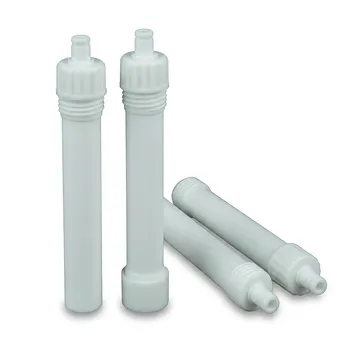
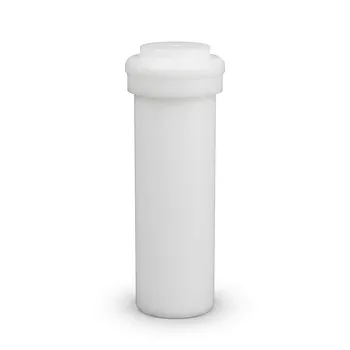
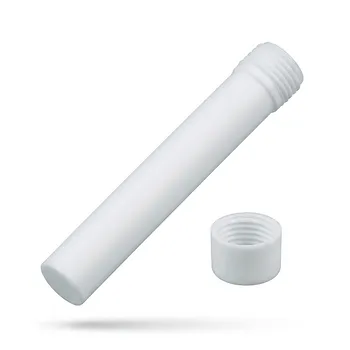
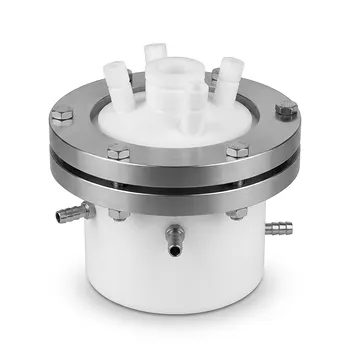
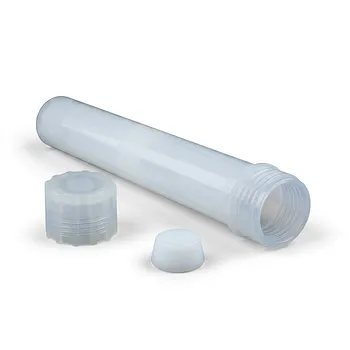
Modern microwave systems often utilize fluoropolymer-based vessels and real-time monitoring of pressure and temperature. This allows for precise regulation of the reaction environment, typically between 150 °C and 210 °C.
Such precision ensures high product consistency across different batches. It also allows researchers to tightly control the crystallinity and morphology of the resulting materials, which is often impossible with the slower response times of traditional autoclaves.
Understanding the Trade-offs
Equipment Cost and Complexity
While highly efficient, microwave synthesis systems involve a higher initial capital investment than traditional hydrothermal reactors. The requirement for specialized, microwave-transparent pressure vessels and complex magnetron hardware can be a barrier for smaller operations.
Scalability and Penetration Depth
Microwaves have a finite penetration depth into liquid media. As the volume of the reaction vessel increases, ensuring the same level of uniform heating becomes a significant engineering challenge compared to the simpler scaling of traditional pressurized tanks.
Material Compatibility
Not all solvents or catalysts interact effectively with microwave radiation. The process relies on the dielectric properties of the reaction mixture; if the medium does not couple well with microwaves, the efficiency gains over traditional heating may be diminished.
How to Apply This to Your Project
Microwave-assisted synthesis is the superior choice when speed and purity are the primary drivers of your production or research.
- If your primary focus is maximizing throughput: Transitioning to microwave synthesis will reduce your processing time by over 95%, allowing for multiple batches in the time it takes to run one traditional cycle.
- If your primary focus is high product purity: Utilize microwave heating to bypass the intermediate temperature ranges that promote unwanted side reactions and furfural degradation.
- If your primary focus is process benchmarking: Maintain traditional hydrothermal reactors as a baseline to study the specific impacts of microwave-induced "non-thermal effects" on catalytic efficiency.
By leveraging volumetric heating, you can transform xylose conversion from a slow, multi-hour process into a rapid, high-yield chemical transformation.
Summary Table:
| Feature | Microwave Synthesis | Traditional Hydrothermal |
|---|---|---|
| Heating Method | Direct Volumetric Heating | External Thermal Conduction |
| Processing Time | < 10 Minutes | ~5.5 Hours |
| Furfural Yield | > 40.70% | Significantly Lower |
| Side Reactions | Suppressed (Rapid Heating) | Frequent (Slow Ramp) |
| Temperature Control | Real-time Precision | Slower Thermal Response |
Elevate Your Chemical Synthesis with KINTEK’s Fluoropolymer Expertise
Precision in xylose-to-furfural conversion requires equipment that can withstand extreme conditions while maintaining high purity. KINTEK manufactures a comprehensive range of laboratory supplies crafted exclusively from PTFE and PFA, designed to excel in both microwave and hydrothermal environments.
From everyday basics like beakers, reagent bottles, and centrifuge tubes to specialized microwave digestion vessels, hydrothermal synthesis liners, and custom-machined reactors, we offer the high-performance materials your lab needs. Our end-to-end custom CNC fabrication allows us to deliver everything from complex non-standard parts and bespoke laboratory setups to high-volume orders of fluid transfer components, fittings, and filtration tools.
Ready to optimize your reaction yields and processing speed? Contact KINTEK today to discuss your requirements and discover how our absolute focus on high-performance fluoropolymers can transform your research outcomes.
References
- Ting Huang, Wan‐Ming Xiong. Preparation of Furfural From Xylose Catalyzed by Diimidazole Hexafluorophosphate in Microwave. DOI: 10.3389/fchem.2021.727382
This article is also based on technical information from Kintek Knowledge Base .
Related Products
- Customizable Graphite Digestion System Acid Removal Instrument with Corrosion Resistant Coating for Microwave Vessels
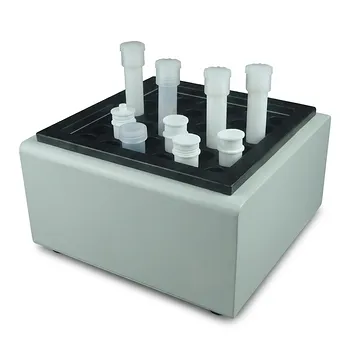
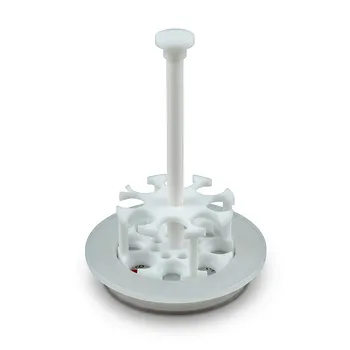
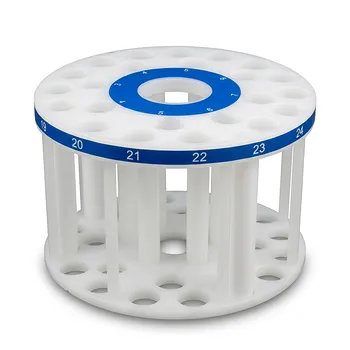
- 15 Position Customizable Microwave Digestion Vessel Rack High Purity PTFE PFA Non Stick Laboratory Sample Preparation System
- Custom Graphite Digestion System and Acid Removal Unit with Anti Corrosion Coating for Microwave Digestion Vessels
- High Purity PTFE Microwave Digestion Vessels for 44 Position Systems Trace Analysis Acid Digestion and Evaporation
- High Purity TFM Microwave Digestion Vessels for Trace Analysis and Custom Sample Preparation Systems
People Also Ask
- Which material properties obtained from DSC and structural analysis indicate high stretchability in PTFE fine powders? Key thermal and structural indicators for superior expansion performance
- What are the advantages of using closed-vessel microwave digestion? Achieve faster, high-precision trace analysis.
- How does the digestion reactor assist SOC determination? Ensure Complete Oxidation for Accurate Soil Analysis.
- How does a Single Reaction Chamber (SRC) system differ from a traditional rotor-based microwave digestion vessel system?
- What are the benefits of using graphite packing? Achieve Superior Sealing in High-Temp Applications