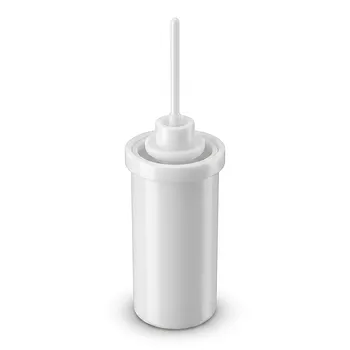
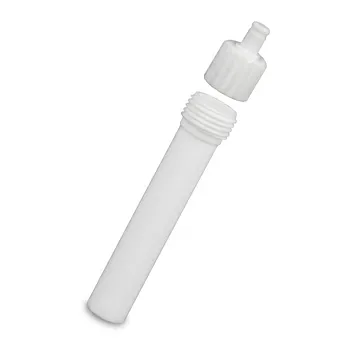
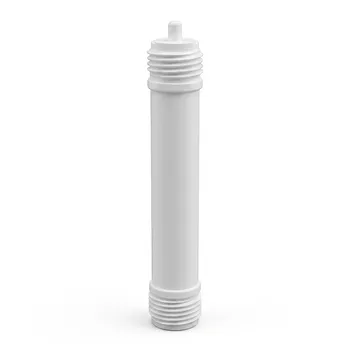
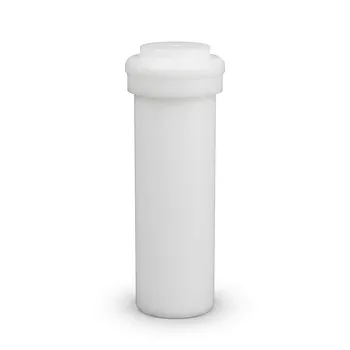
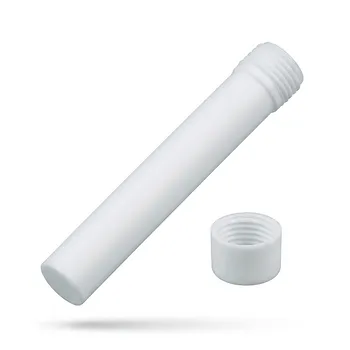
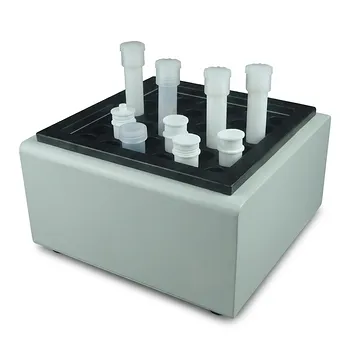
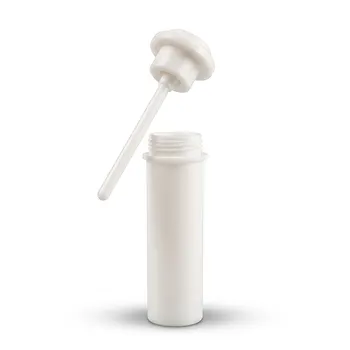
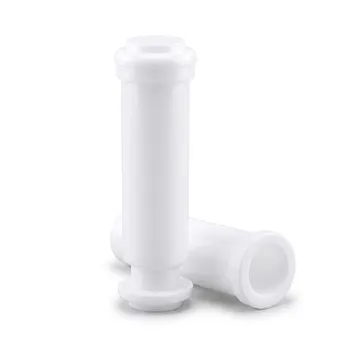
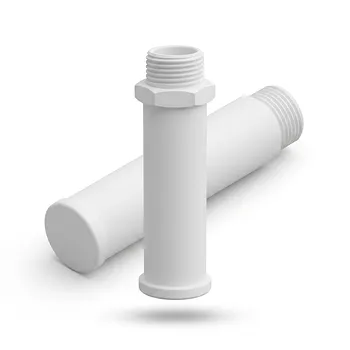
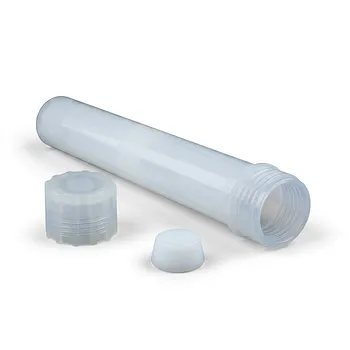
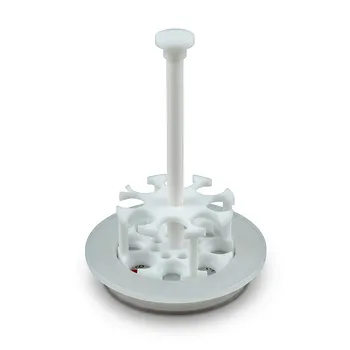
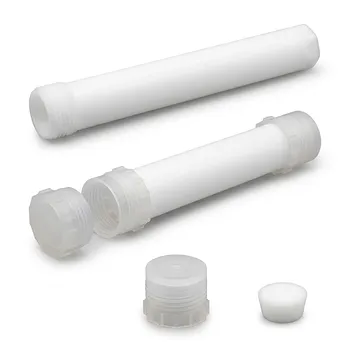
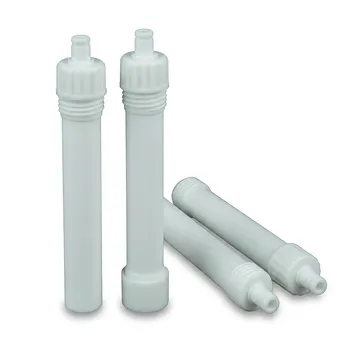
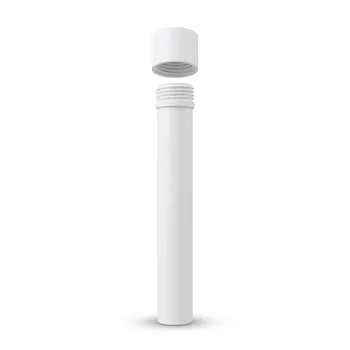
The choice between quartz and fluoropolymer liners is dictated by the extreme limits of temperature and chemical purity. Quartz liners are primarily utilized when digestion temperatures must exceed 260°C and for ultra-trace analyses where even minute organic leaching from polymers could compromise the results. They are the preferred choice for difficult matrices like crude oil residues that require intense thermal energy for complete decomposition.
Quartz liners provide the necessary thermal stability and chemical purity for high-temperature, ultra-trace applications that exceed the physical limits of traditional fluoropolymer vessels. They serve as a specialized tool for researchers who must balance extreme heat requirements with the need for a non-reactive, low-leaching sample environment.
Thermal Limits and Mechanical Strength
Performance Above 260 Degrees Celsius
Traditional fluoropolymer vessels, such as those made from PTFE or PFA, experience a significant decline in mechanical performance once temperatures exceed 260°C. At these elevated levels, the polymer structure softens, increasing the risk of vessel deformation or failure under pressure. High-purity quartz maintains its mechanical integrity and structural strength well beyond these limits.
Applications in Crude Oil Digestion
Certain samples, such as crude oil residues, require ultra-high temperatures (often above 270°C) and high pressures to achieve complete digestion. Quartz liners are uniquely capable of withstanding these intense conditions without compromising safety. This thermal stability ensures that the digestion process remains contained and effective for the most challenging organic matrices.
Purity and Trace Analysis Requirements
Minimizing Organic Contamination
In ultra-trace analysis, preventing the leaching of trace organic compounds is critical for maintaining sample integrity. While high-performance fluoropolymers offer low leaching levels, quartz provides a more robust barrier against organic contamination. This makes quartz the standard for laboratories performing the most sensitive environmental or forensic measurements.
Preventing Trace Metal Adsorption
Quartz materials help prevent the adsorption or leaching of trace metal elements during the microwave process. Because the silica structure is highly stable, it does not interact with the sample in the same way a polymer might at extreme temperatures. This ensures that the elemental profile of the sample remains accurate and uncontaminated by the vessel material.
Understanding the Trade-offs
Incompatibility with Hydrofluoric Acid
The most significant limitation of quartz is its chemical vulnerability to Hydrofluoric Acid (HF). HF will aggressively attack and dissolve the silica structure of the quartz, leading to immediate vessel destruction. If your digestion protocol requires HF to dissolve silicates, you must use a fluoropolymer liner regardless of temperature needs.
Fragility and Brittleness
Unlike fluoropolymers, which are relatively flexible and impact-resistant, quartz is highly brittle. It is susceptible to thermal shock if cooled too quickly and can shatter if handled roughly or dropped. This requires a higher level of technician care and specialized handling procedures compared to PTFE vessels.
Choosing the Right Liner for Your Workflow
Selecting the appropriate liner ensures both the safety of your laboratory and the accuracy of your data.
- If your primary focus is High-Temperature Digestion (>260°C): Use quartz liners to ensure the vessel maintains its mechanical strength and safety during the process.
- If your primary focus is Ultra-Trace Organic Analysis: Select quartz to eliminate the risk of organic leaching that can occur with fluoropolymer materials.
- If your primary focus is Digestion involving Hydrofluoric Acid (HF): Use fluoropolymer liners (PTFE/PFA), as quartz will be chemically dissolved by the acid.
- If your primary focus is Routine Acid Digestion at Standard Temperatures: Stick with fluoropolymer liners for their durability, cost-effectiveness, and ease of handling.
By matching the vessel material to your specific thermal and chemical requirements, you ensure the highest levels of analytical precision and equipment longevity.
Summary Table:
| Feature | Quartz Liners | Fluoropolymer Liners (PTFE/PFA) |
|---|---|---|
| Max Temperature | > 260°C (High Stability) | Up to 260°C (Softens Above) |
| HF Acid Resistance | Incompatible (Dissolves) | Excellent Resistance |
| Purity Level | Ultra-trace (Zero Organic Leaching) | High-purity (Standard Trace) |
| Physical Properties | Brittle / Susceptible to Shock | Flexible / Impact Resistant |
| Best Used For | Crude oil, heavy organics | Routine acid digestion, silicates |
Elevate Your Analytical Precision with KINTEK
Are you navigating the complexities of high-temperature digestion or sensitive trace analysis? At KINTEK, we specialize in high-performance fluoropolymer solutions tailored for the most demanding laboratory environments.
From everyday basic labware—including PTFE and PFA beakers, digestion tubes, and reagent bottles—to advanced fluid transfer components and custom CNC-fabricated reaction apparatus, we provide the tools you need for absolute chemical purity. Whether you require high-volume consumables or bespoke, non-standard machined parts like electrochemical cells and microwave digestion vessels, KINTEK’s end-to-end manufacturing ensures your lab maintains peak performance and safety.
Ready to optimize your workflow with premium fluoropolymer labware? Contact our technical team today to discuss your specific requirements and see how our expertise can support your next breakthrough.
Related Products
- Custom High Purity TFM Microwave Digestion Vessel 100ml Capacity Compatible Replacement Liner for Professional Analytical Instruments
- High Purity PTFE Microwave Digestion Vessel Replacement Liner for Acid Sample Preparation and Trace Analysis
- High Purity PTFE Microwave Digestion Vessel for Soil and Food Analysis Acid Resistant Fluoropolymer Sample Preparation Liners
- High Purity TFM Microwave Digestion Vessels for Trace Analysis and Custom Sample Preparation Systems
- High Purity TFM Microwave Digestion Vessels PTFE Acid Evaporation Liners Domestic GT-400 Equivalent Laboratory Reaction Containers
People Also Ask
- Why is TFM preferred over standard PTFE for microwave digestion liners? Enhance Safety and Trace Analysis Purity
- What safety features are commonly integrated into microwave digestion vessels? Ensuring High-Pressure Laboratory Safety
- What are the advantages of using microwave digestion vessels for environmental analysis? Boost speed and sample accuracy.
- What are the advantages of using microwave digestion vessels? Optimize EG@MO synthesis with superior thermal control.
- How do microwave digestion vessels support pharmaceutical elemental impurity testing? Achieve Precise USP Compliance