The standard MFR test temperatures depend on the fluoropolymer resin type: 372°C for PFA and FEP, 297°C for ETFE, 265°C for THV, and 237°C for PVDF. PTFE requires an important qualification: conventional high-molecular-weight PTFE generally does not produce a measurable melt flow under standard MFR testing, although PTFE micropowders may be evaluated at approximately 372°C under applicable procedures.
Use the resin-specific ASTM D1238 temperature rather than one universal setting. MFR results are meaningful only when the temperature, load, die dimensions, and conditioning procedure are standardized for the particular fluoropolymer.
Standard MFR Temperatures by Fluoropolymer Type
PFA
Perfluoroalkoxy (PFA) is commonly tested at 372°C. The resulting flow rate provides an indirect indication of melt viscosity and helps distinguish grades for extrusion, molding, and other melt-processing applications.
FEP
Fluorinated ethylene propylene (FEP) is also commonly tested at 372°C. Because FEP is melt-processable, MFR testing can be used for resin-grade comparison and process-control purposes.
ETFE
Ethylene tetrafluoroethylene (ETFE) is typically tested at 297°C. This lower temperature reflects the processing behavior of ETFE compared with the higher-temperature perfluorinated materials.
THV
THV, a terpolymer of tetrafluoroethylene, hexafluoropropylene, and vinylidene fluoride, is commonly tested at 265°C. Its MFR is useful for comparing melt-processable grades intended for extrusion, tubing, and molded components.
PVDF
Polyvinylidene fluoride (PVDF) is typically tested at 237°C. The measured MFR can help evaluate resin consistency and select grades for chemical-resistant fluid-handling components and laboratory equipment.
PTFE Micropowders
PTFE micropowders may be listed with a test temperature of approximately 372°C, but this should not be treated as equivalent to standard MFR testing of conventional PTFE resin. The exact method and product specification must be checked because PTFE behavior differs substantially from that of melt-processable fluoropolymers.
Why PTFE Requires Special Treatment
Conventional PTFE Does Not Flow Like a Thermoplastic
High-molecular-weight PTFE does not normally flow through a standard melt-indexer die after melting. Its melt viscosity is extremely high, so conventional MFR testing is generally unsuitable.
Apparent or Melt Creep Viscosity Is Used Instead
PTFE melt behavior is commonly evaluated using apparent melt viscosity or melt creep viscosity, reported in poise. A molded and sintered PTFE specimen is subjected to a defined tensile load at elevated temperature, and its elongation rate is measured.
The PTFE Result Is Not Directly Comparable to MFR
PTFE melt creep viscosity and MFR are different measurements with different units and procedures. They should not be compared numerically as though they represent the same test.
What MFR Indicates
MFR Is an Indirect Measure of Melt Viscosity
MFR measures the mass of polymer that flows through a specified die during a defined time interval. Higher MFR generally indicates lower melt viscosity, while lower MFR generally indicates higher viscosity.
Molecular Weight Affects the Result
As polymer molecular weight decreases, melt viscosity typically decreases and MFR increases. Thermal degradation can therefore produce an apparent increase in MFR through polymer-chain scission.
Processing Decisions Depend on More Than MFR
MFR can support resin selection for extrusion, compression molding, and other processing operations, but it should be considered alongside thermal stability, specific gravity, mechanical properties, and the manufacturer’s grade specification.
Understanding the Trade-offs
Temperature Must Match the Resin
Using the wrong test temperature can produce misleading results and make comparisons between resin grades invalid. A value measured at 237°C for PVDF, for example, should not be compared directly with a value measured at 372°C for PFA or FEP.
Degradation Can Distort the Measurement
Fluoropolymers may undergo time-dependent thermal degradation at elevated temperatures. Excessive residence time or repeated heating can reduce molecular weight and artificially increase the measured flow rate.
ASTM D1238 Does Not Eliminate Grade-Specific Requirements
ASTM D1238 establishes a general melt-flow testing framework, but the applicable resin specification may define the temperature, load, die, conditioning, and reporting requirements. The material supplier’s technical data sheet and governing product standard should take precedence when they specify different conditions.
Making the Right Choice for Your Goal
Use the temperature as a starting point, then verify the complete test condition for the specific resin grade.
- If your primary focus is PFA or FEP: Use 372°C for the standard MFR measurement, subject to the applicable grade specification.
- If your primary focus is ETFE: Use 297°C and report the result with the specified load and die conditions.
- If your primary focus is THV: Use 265°C for the standard resin-flow comparison.
- If your primary focus is PVDF: Use 237°C and avoid comparing the result directly with MFR values obtained at other temperatures.
- If your primary focus is conventional high-molecular-weight PTFE: Use an apparent or melt creep viscosity method rather than conventional MFR testing.
- If your primary focus is PTFE micropowder: Confirm whether the product specification permits an approximately 372°C MFR-type measurement and follow that method exactly.
Correct temperature selection is essential for producing an MFR result that is technically meaningful and useful for fluoropolymer processing decisions.
Summary Table:
| Resin Type | Standard MFR Test Temperature |
|---|---|
| PFA | 372°C |
| FEP | 372°C |
| ETFE | 297°C |
| THV | 265°C |
| PVDF | 237°C |
| PTFE (conventional) | Not applicable (use melt creep viscosity) |
| PTFE micropowders | ~372°C (if specified by product spec) |
Need precise MFR testing for your fluoropolymer applications? At KINTEK, we specialize in high-performance PTFE and PFA labware, from standard beakers and vessels to custom CNC-machined components. Our expertise ensures you get reliable data and quality equipment for your thermal analysis and processing needs. Contact us today to discuss your requirements and see how we can enhance your lab's efficiency.
Related Products
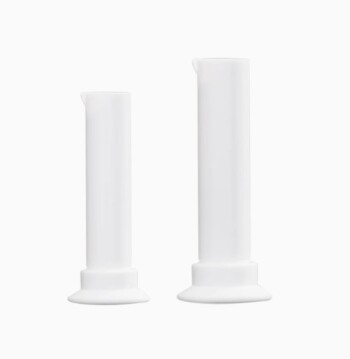
- Custom PTFE Measuring Cylinders for Advanced Scientific and Industrial Applications
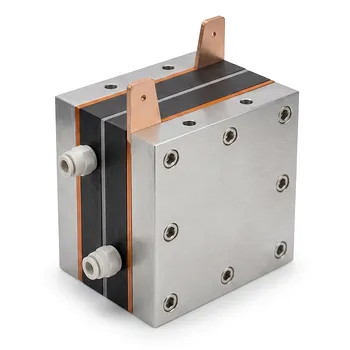
- Graphite Plate Membrane Electrode Reaction Cell Serpentine SPE Reactor for Fuel Cell and Electrochemical Synthesis
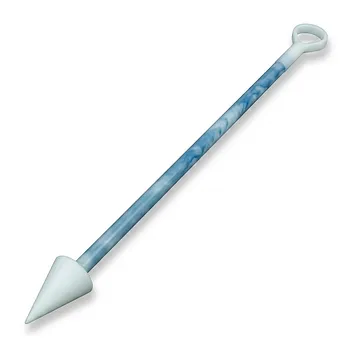
- High Purity Custom PTFE Solid Sampler for Laboratory Extraction and Chemical Analysis Polytetrafluoroethylene Sampling Probe with Customizable Length
People Also Ask
- What are some custom grades of PTFE and their compositions? Engineered for Wear, Strength, and Lubricity
- What colors are available for custom PTFE grades? Select the Right Color for Performance and Identification
- What chemicals is Teflon resistant to? The Ultimate Guide to PTFE Chemical Inertness
- Why are Teflon rods preferred in the food and pharmaceutical sectors? Ensure Purity and Compliance
- What materials are processed into CNC PTFE parts? A Guide to Stock Shapes and Grades