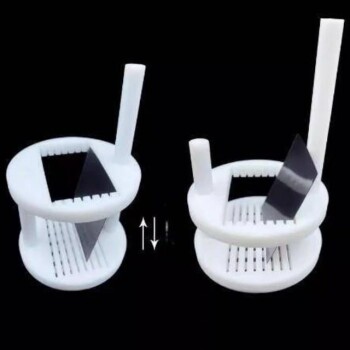
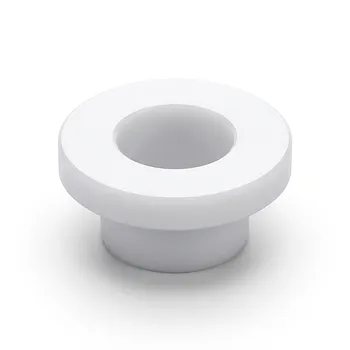
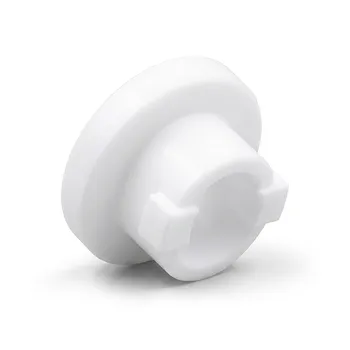
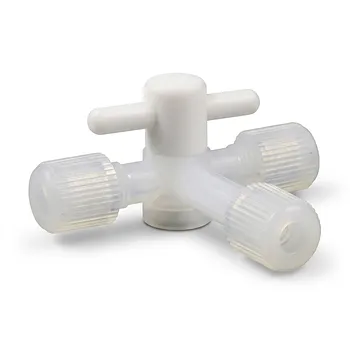
PTFE gaskets are the gold standard for semiconductor manufacturing because they provide a chemically inert, ultra-high-purity sealing solution that prevents process contamination. These gaskets offer exceptionally low extractables and minimal particle generation, ensuring that sensitive wafer fabrication remains free of metallic ions and organic impurities. Their ability to withstand aggressive etchants, such as hydrofluoric acid, while maintaining a leak-proof seal makes them indispensable in high-purity environments.
Core Takeaway: PTFE gaskets solve the dual challenge of chemical aggression and contamination risk in electronics manufacturing by providing a non-reactive, low-friction seal that maintains integrity across extreme temperatures and plasma exposure.
Protecting Process Purity and Yield
The primary driver for using PTFE in semiconductor environments is the mitigation of contamination, which can instantly ruin high-value wafers.
Minimal Particle Generation
Unlike elastomeric seals that may shed fragments over time, PTFE is highly resistant to mechanical wear. This minimal particle generation is critical for maintaining the stringent cleanliness requirements of ISO Class 1 cleanrooms.
Extremely Low Extractables
PTFE is chemically "clean," meaning it does not leach metallic ions or organic compounds into the process stream. This ensures that the high-purity chemicals used in etching and cleaning remain untainted, preserving device yield and performance.
Non-Stick and Easy Cleaning
The material’s non-stick surface prevents the buildup of process byproducts and residues. This characteristic simplifies the cleaning process during maintenance cycles and reduces the risk of cross-contamination between different production batches.
Resilience in Aggressive Chemical Environments
Semiconductor manufacturing involves some of the most corrosive substances used in any industry.
Resistance to Etchants and Solvents
PTFE is virtually inert to almost all industrial chemicals, including hydrofluoric acid (HF) and strong solvents. This chemical "stubbornness" ensures that gaskets do not degrade, swell, or lose their sealing force when exposed to aggressive wet-bench chemistry.
Stability Under Plasma Exposure
In dry etching and CVD processes, components are often exposed to highly reactive plasma. PTFE maintains its structural integrity and chemical stability even under these conditions, where other polymers might undergo rapid surface erosion.
Wide Thermal Operating Range
Electronic manufacturing often fluctuates between cryogenic cooling and high-heat processing. PTFE gaskets remain functional from -200°C to +260°C, providing a reliable seal that does not become brittle in extreme cold or soft in high heat.
Physical and Electrical Integrity
Beyond chemical resistance, the mechanical and electrical properties of PTFE offer specific advantages for delicate electronic equipment.
Conformability for Low-Torque Flanges
High-purity tubing systems often use plastic or thin-walled flanges that cannot withstand high clamping forces. Expanded PTFE (ePTFE) is highly conformable, allowing it to create a tight seal on uneven surfaces using very low torque.
Dielectric Properties and Static Prevention
PTFE is an excellent electrical insulator with high dielectric strength. In electronics manufacturing, these properties help prevent unplanned electrical discharges and manage static-related issues that could damage sensitive components.
Low Friction and Longevity
The material’s low coefficient of friction reduces the mechanical stress on moving parts and sealing interfaces. This leads to a longer service life and reduced maintenance frequency, which is vital for high-uptime manufacturing lines.
Understanding the Trade-offs
While PTFE is highly versatile, technical advisors must account for its mechanical limitations to ensure long-term reliability.
The Challenge of "Cold Flow"
Standard (virgin) PTFE has a tendency to "creep" or "cold flow" under a continuous load, which can lead to a loss of seal over time. To counter this, engineers often specify expanded PTFE (ePTFE) or filled PTFE grades, which provide better resistance to deformation.
Structural Rigidity
Compared to rubber or elastomers, PTFE is relatively stiff and has lower "memory" (elastic recovery). If a flange moves significantly due to vibration or extreme thermal cycling, a standard PTFE gasket may not "spring back" as effectively as a perfluoroelastomer (FFKM) O-ring.
How to Apply This to Your Project
Choosing the right gasket depends on the specific purity requirements and mechanical constraints of your equipment.
- If your primary focus is contamination control: Prioritize high-grade virgin PTFE or ePTFE to ensure the lowest possible level of metallic and organic extractables.
- If your primary focus is sealing fragile flanges: Use expanded PTFE (ePTFE), as its high compressibility allows for a secure seal at significantly lower bolt torques.
- If your primary focus is extreme chemical resistance: Utilize PTFE for any interface involving hydrofluoric acid or aggressive solvents where standard fluoroelastomers might fail.
- If your primary focus is high-temperature stability: Ensure the gasket grade is rated for your specific thermal peak, typically up to 260°C for long-term exposure.
By matching the specific grade of PTFE to your process chemistry and mechanical requirements, you ensure both the longevity of your equipment and the purity of your end product.
Summary Table:
| Key Feature | Benefit in Semiconductor Manufacturing | Ideal Application |
|---|---|---|
| Ultra-High Purity | Zero metallic/organic leaching; prevents wafer contamination. | Wet etching & cleaning |
| Chemical Inertness | Resists HF, strong acids, and aggressive solvents. | Chemical delivery systems |
| Thermal Range | Operates reliably from -200°C to +260°C. | Thermal & cryogenic processing |
| Low Particle Generation | Maintains ISO Class 1 cleanroom standards. | Vacuum & plasma environments |
| High Conformability | Creates leak-proof seals on fragile flanges with low torque. | Plastic tubing & glass joints |
Elevate Your Process Purity with KINTEK
Maximize your semiconductor manufacturing yields with high-performance fluoropolymer solutions from KINTEK. Whether you require standard PTFE gaskets, O-rings, and seals, or advanced PFA fluid transfer components like tubing, fittings, and valves, we deliver the ultra-pure performance your sensitive electronics demand.
From everyday labware (beakers, tubes, and filtration tools) to custom-engineered reaction apparatus and bespoke CNC-machined parts, KINTEK provides an exhaustive range of laboratory supplies crafted with absolute focus on fluoropolymer excellence.
Ready to eliminate contamination and optimize your high-purity workflow? Contact our technical experts today to discuss your custom fabrication needs or high-volume orders!
Related Products
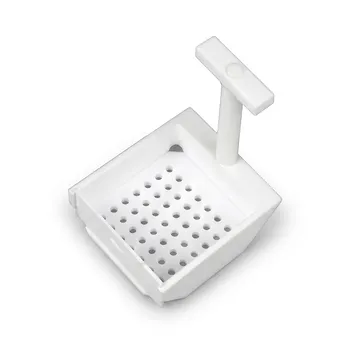
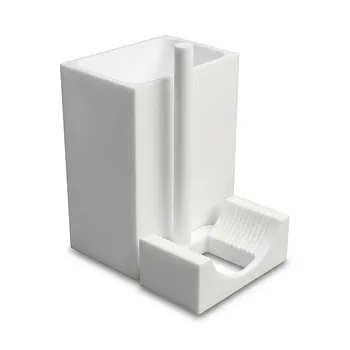
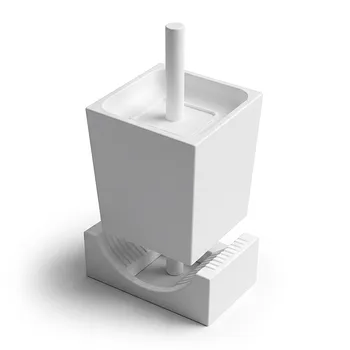
- High Purity Custom PTFE Reaction Cell Electrolytic Tank for Semiconductor and Polysilicon Industrial Applications
- High Purity PTFE Wafer Cassette Etching Carrier for Semiconductor Silicon Wafer Cleaning and Acid Resistance
- Custom PTFE Teflon Parts Manufacturer PTFE Cleaning Rack
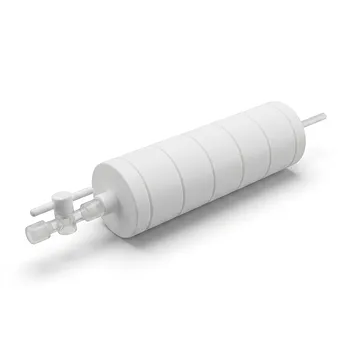
- Custom PTFE Filtration System Acid Resistant High Purity Semiconductor Grade Chemical Processing Filter
- Custom PTFE Insulating Gaskets and Corrosion Resistant Fluoropolymer Seals for Industrial Electrical Applications
People Also Ask
- Why is PTFE ideal for high-purity applications? Ensuring Absolute Chemical and Biological Inertness
- What functional advantages do PTFE reactors provide over glass? Achieve Superior Purity and Safety in Synthesis
- What are the primary fabrication methods for capillary-based and monolithic PTFE reactors? Expert Production Insights
- How does the hydrophobicity of PTFE benefit electrochemical measurements? Enhance Stability and Precision in Your Lab
- What makes PTFE an ideal construction material for custom electrochemical cells and electronic analytical instrumentation housings? Discover superior chemical resistance and electrical insulation