Polytetrafluoroethylene (PTFE) is the industry standard for housing reference electrodes in aggressive environments due to its near-universal chemical inertness and exceptional electrochemical stability. This polymer maintains its structural integrity and electrical insulation across a vast voltage window (typically –2 V to +2 V vs. SHE), ensuring that the housing itself does not participate in the reaction or degrade in the presence of harsh oxidizers, strong bases, or corrosive electrolytes.
Core Takeaway: PTFE’s unique combination of a carbon-fluorine backbone and high-purity profile prevents chemical degradation and metal ion leaching, ensuring long-term potential stability and experimental accuracy in extreme electrochemical conditions.
The Foundation of Chemical and Electrochemical Immunity
The Strength of the Carbon-Fluorine Bond
PTFE owes its "immortality" in harsh environments to its unique carbon-fluorine backbone. This bond is one of the strongest in organic chemistry, providing universal resistance to nearly all solvents, acids, and bases used in modern battery and catalyst research.
Broad Electrochemical Stability Window
Unlike many polymers that oxidize or reduce when exposed to high potentials, PTFE remains stable between –2 V and +2 V vs. SHE. This broad window is critical for housing reference electrodes, as it prevents the body material from contributing background currents or failing during high-voltage experiments.
Prevention of Galvanic Corrosion
By acting as a durable, non-conductive jacket, PTFE protects sensitive internal components like silver or copper leads. It effectively shields these metals from the external electrolyte, preventing galvanic corrosion that would otherwise cause significant potential drift and ruin measurements.
Maintaining High-Purity Experimental Environments
Elimination of Ion Leaching
In sensitive applications like ammonia quantification or catalyst activity testing, even trace metal impurities can skew results. PTFE is a high-purity fluoropolymer that does not leach metal ions into the electrolyte, ensuring that the observed chemical activity belongs solely to the catalyst under study.
Resistance to Strong Alkalis
Many standard polymers and glasses fail rapidly when exposed to high concentrations of potassium hydroxide (KOH) or seawater. PTFE maintains its dimensional stability and surface integrity in these caustic environments, making it indispensable for alkaline fuel cell and CO2 reduction research.
Porous Junction Integration
PTFE can be manufactured with specific levels of porosity to create porous junctions. These junctions allow for necessary ionic contact between the reference electrode and the test solution while successfully blocking the bulk mixing of electrolytes.
Mechanical Advantages in Aggressive Systems
Thermal Resilience from Zero to 250°C
Reference electrodes must often operate in extreme thermal conditions, from cryogenic cooling to high-heat reactors. PTFE retains its plasticity and mechanical longevity across a massive temperature range, far exceeding the capabilities of standard elastomers or rubbers.
Self-Lubrication and Airtight Sealing
The low friction coefficient of PTFE is a vital mechanical property when electrodes must be swapped or adjusted. In gas-sensitive experiments, such as CO2 reduction, PTFE seals ensure a reliable, airtight interface that prevents atmospheric contamination.
Custom Machinability for Prototypes
Despite its toughness, PTFE can be easily machined into custom geometries. This allows researchers to create specialized housings for thin foils, meshes, or cylindrical electrodes without sacrificing the material's protective properties.
Understanding the Trade-offs
The Challenge of Cold Flow (Creep)
While PTFE is durable, it is susceptible to "cold flow" or creep, meaning it can slowly deform under a constant mechanical load. In high-pressure reactor fittings, this may require periodic tightening or the use of reinforced grades to maintain a perfect seal.
Difficulty in Bonding and Adhesion
PTFE’s legendary non-stick properties make it extremely difficult to bond using standard adhesives. Designers must rely on mechanical seals, threading, or specialized etching processes when integrating PTFE components into multi-material electrode assemblies.
Making the Right Choice for Your Goal
To ensure your reference electrode survives and performs accurately, consider your specific environmental constraints:
- If your primary focus is High-Voltage Stability: Use PTFE to ensure the housing remains electrochemically inactive across the –2 V to +2 V vs. SHE range.
- If your primary focus is Trace Analysis (e.g., Ammonia/Nitrogen): Choose high-purity PTFE to prevent metal ion leaching from contaminating your electrolyte and skewing colorimetric results.
- If your primary focus is Caustic/Alkaline Environments: PTFE is the mandatory choice over glass or standard polymers to prevent degradation in 1 M KOH or concentrated brine.
- If your primary focus is Variable Temperature Testing: Leverage PTFE’s wide operating range (up to 250°C) to maintain structural integrity where rubbers and other plastics would melt or become brittle.
By prioritizing PTFE for electrode housing, you ensure that your data reflects the true chemistry of your system rather than the degradation of your hardware.
Summary Table:
| Key Feature | Benefit for Reference Electrode Housing |
|---|---|
| Chemical Inertness | Resists nearly all acids, bases (like KOH), and solvents. |
| Voltage Stability | Remains electrochemically inactive between –2 V and +2 V vs. SHE. |
| High Purity | Eliminates metal ion leaching to protect sensitive trace analysis. |
| Thermal Range | Maintains structural integrity from cryogenic levels up to 250°C. |
| Low Friction | Facilitates airtight sealing and easy adjustment of components. |
| Machinability | Allows for bespoke geometries and specialized porous junctions. |
Elevate Your Electrochemical Research with KINTEK Precision
Don’t let material degradation compromise your experimental accuracy. KINTEK specializes in manufacturing high-performance fluoropolymer solutions tailored for the most demanding laboratory environments. From everyday basic labware like beakers, crucibles, and reagent bottles to specialized components such as high-purity trace analysis instruments, fluid transfer fittings, and filtration tools, we provide the durability your research demands.
Our expertise extends to advanced reaction apparatus, including custom electrochemical cells, battery testing fixtures, and microwave digestion vessels. Whether you need standard consumables like O-rings and stirring bars or complex, non-standard machined parts, our end-to-end custom CNC fabrication ensures every component meets your exact specifications.
Ready to upgrade your lab with professional-grade PTFE and PFA supplies? Contact KINTEK today to discuss your custom project or high-volume needs and ensure your hardware is as resilient as your science.
Related Products
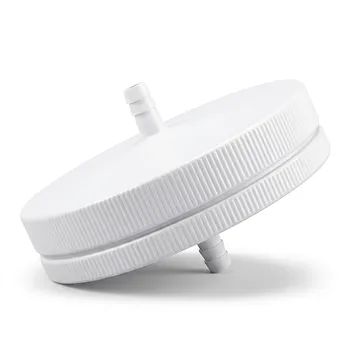
- PTFE Filter Membrane Holder for Hydrogen Chloride and Water Filtration 90mm Environmental Sampling Clamp Customizable
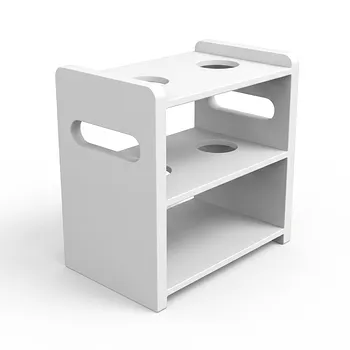
- Custom PTFE Acid Resistant Support Rack for PFA Hydrogen Absorption Systems Multi Hole Configurations
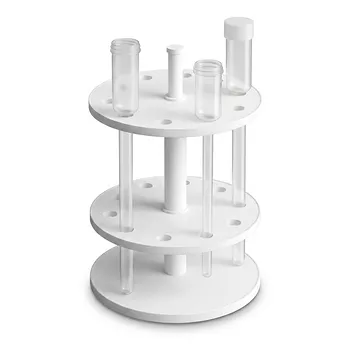
- Custom PFA Micro Column Rack and PTFE Machined Storage Solutions for Trace Analysis
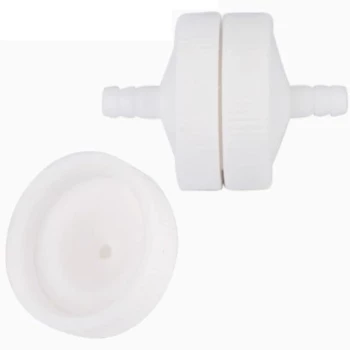
- Customizable PTFE Seals Filter Holders for Versatile Applications
- White PTFE Electrolytic Cell with Movable Slider and Insulated Lid for Fluorine Corrosion Resistance
People Also Ask
- What are the structural characteristics and manufacturing principles of Polytetrafluoroethylene (PTFE) filter membranes?
- What is the thermal stability range for PTFE filter membranes? Master Extremes from -200°C to +260°C
- What is the chemical composition and temperature resistance of PTFE filter membranes? Essential Specs for Labs
- What are the performance advantages of PTFE filter membranes vs depth filters? Boosting Lab Purity and Efficiency
- How does the inherent hydrophobicity of PTFE filter membranes affect liquid and gas separation? Optimize Performance