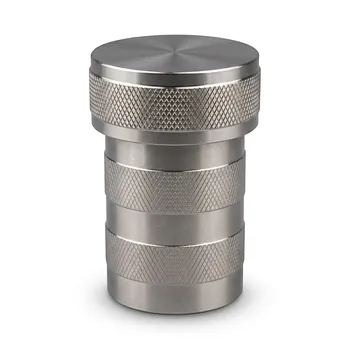
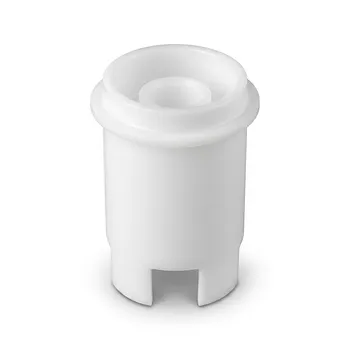
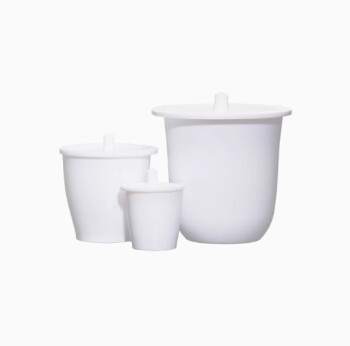
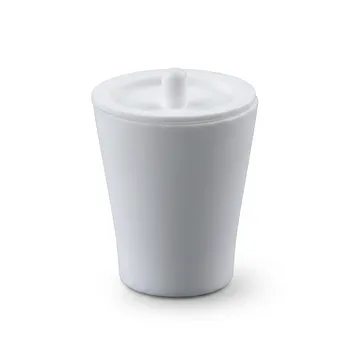
The B/Al exchange process of SSZ-82 zeolites relies on Teflon-lined stainless steel high-pressure autoclaves to create a controlled solvothermal environment. These vessels allow aluminum atoms to displace boron within the aluminosilicate framework at a constant temperature of 363 K, ensuring the reaction proceeds without introducing metallic impurities or succumbing to the corrosive nature of the aluminum salt solutions.
These autoclaves serve as the critical reaction chamber where chemical inertness meets mechanical strength. They maintain the precise thermal and pressure conditions necessary for framework heteroatom exchange while shielding the zeolite from contamination.
The Functional Environment for Heteroatom Exchange
Facilitating Boron Displacement
The autoclave provides the solvothermal reaction environment required to break the existing bonds of boron atoms within the SSZ-82 framework. By maintaining a constant temperature of 363 K, the vessel ensures that the aluminum-containing aqueous solution stays in effective contact with the zeolite solid phase.
Enabling Aluminum Integration
The pressurized, sealed environment facilitates the successful migration of aluminum atoms into the vacancies left by displaced boron. This process, known as heteroatom exchange, is essential for tailoring the catalytic properties of the zeolite.
Maintaining Thermal Stability
Because the exchange process is time-sensitive and temperature-dependent, the autoclave's ability to provide stable, uniform heating is vital. This prevents localized temperature fluctuations that could lead to incomplete exchange or structural collapse of the zeolite.
Material Synergy: Teflon vs. Stainless Steel
The Role of the Teflon (PTFE) Liner
The internal Teflon lining is specifically utilized for its exceptional chemical inertness and corrosion resistance. In the B/Al exchange process, it prevents the aggressive aluminum salt solutions from reacting with or eroding the metal walls of the reactor.
The Strength of the Stainless Steel Sleeve
While Teflon provides chemical protection, it lacks the structural integrity to withstand high internal pressures on its own. The outer stainless steel shell provides the necessary mechanical strength to ensure the vessel remains sealed and safe under the stresses of solvothermal heating.
Preventing Metallic Contamination
A primary function of the Teflon liner is to act as a barrier between the reaction liquid and the steel. By preventing the solution from corroding the metal walls, the autoclave ensures that metallic impurities are not introduced into the SSZ-82 sample, preserving its purity and performance.
Understanding the Trade-offs
Temperature and Pressure Limitations
While highly effective, Teflon has a maximum operating temperature—typically around 250 °C—above which it may deform or release toxic fumes. Although the SSZ-82 exchange occurs at a modest 363 K (90 °C), researchers must be cautious not to exceed the safety limits of the liner in higher-temperature syntheses.
Maintenance and Wear
Teflon liners are susceptible to mechanical wear and scratching over time, which can compromise their protective barrier. Any breach in the liner allows corrosive fluids to reach the stainless steel, leading to hidden corrosion that can weaken the autoclave's structural integrity.
Heat Transfer Resistance
Teflon is an effective insulator, which means it can create a thermal lag between the external heating element and the internal reaction mixture. This requires precise calibration of the heating equipment to ensure the internal solution actually reaches the target 363 K.
How to Apply This to Your Project
Making the Right Choice for Your Goal
The use of Teflon-lined autoclaves is standard for zeolite modification, but the specific configuration depends on your experimental requirements.
- If your primary focus is product purity: Always inspect the Teflon liner for scratches or discoloration before the B/Al exchange to prevent trace metal leaching.
- If your primary focus is structural integrity: Ensure the stainless steel outer shell is free of pitting or rust, as even small defects can lead to failure under high-pressure conditions.
- If your primary focus is reaction consistency: Use a calibrated oven or oil bath to account for the thermal insulation of the Teflon, ensuring the internal temperature reaches the necessary 363 K for exchange.
By leveraging the combined chemical resistance of Teflon and the physical strength of stainless steel, researchers can reliably transform the framework of SSZ-82 zeolites for advanced applications.
Summary Table:
| Component | Material | Key Function in B/Al Exchange |
|---|---|---|
| Inner Liner | PTFE (Teflon) | Provides chemical inertness; prevents metallic contamination and acid corrosion. |
| Outer Shell | Stainless Steel | Provides mechanical strength to safely withstand high internal solvothermal pressure. |
| Environment | Controlled Chamber | Maintains a stable 363 K temperature for precise boron-to-aluminum integration. |
| Safety Limit | Thermal Threshold | Ensures structural integrity up to ~250 °C for various zeolite synthesis needs. |
Elevate Your Research with Precision Fluoropolymer Engineering
At KINTEK, we understand that the success of complex processes like SSZ-82 zeolite B/Al exchange hinges on the purity and reliability of your reaction vessels. We provide an absolute focus on high-performance fluoropolymer materials to ensure your lab results are never compromised by contamination or equipment failure.
Our Comprehensive Product Range Includes:
- Essential Labware: High-purity beakers, measuring cylinders, crucibles, dishes, reagent bottles, and digestion tubes.
- Fluid Handling & Filtration: Tubing, fittings, valves, separatory funnels, filters, and high-precision pipettes.
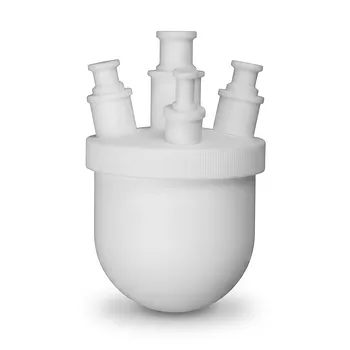
- Advanced Apparatus: Custom hydrothermal synthesis liners, microwave digestion vessels, electrochemical cells, and microchannel reactors.
- General Consumables: PTFE stirring bars, O-rings, gaskets, and specialized seal tapes.
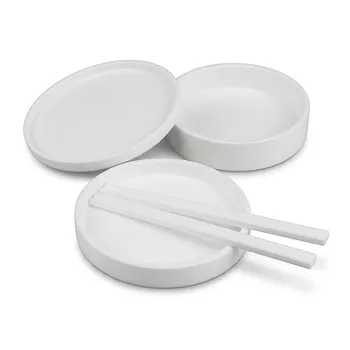
Why Choose KINTEK? Backed by end-to-end custom CNC fabrication, we are equipped to deliver everything from complex non-standard machined parts to high-volume orders. Whether you need bespoke laboratory setups or standard high-performance PTFE/PFA components, our engineering team ensures your equipment meets the most rigorous standards of chemical resistance and thermal stability.
Optimize your laboratory efficiency today. Contact us now to discuss your custom project requirements!
References
- Christian Schroeder, Hubert Koller. Preferred Al Locations in the Framework Structure of the Zeolite SSZ-82. DOI: 10.1021/acs.cgd.4c01539
This article is also based on technical information from Kintek Knowledge Base .
Related Products
- Custom TFM Reaction Vessel with Stainless Steel Jacket and PTFE Inner Cup for High Corrosion Resistance
- PTFE Lined High Pressure Digestion Vessel 50ml High Temperature Hydrothermal Synthesis Tank
- High Temperature Corrosion Resistant Hydrothermal Synthesis Reactor with TFM Inner Liner and Straight Cylinder Design
- High Pressure PTFE Digestion Vessel Inner Cup Holder Custom Corrosion Resistant Low Background Teflon
- Customizable PTFE Crucibles for Laboratory and Industrial Applications
People Also Ask
- Why are high-performance pressure-resistant reaction vessels required for oxygen-assisted hydrothermal conversion at 150 °C?
- How do magnetic stirring and reaction vessels impact MOF-derived carbon quality? Optimize Your Composite Performance
- Why are high-quality fluoropolymer-lined reaction vessels required for alk-Ti3C2Tx MXene? Ensure Purity & HF Resistance
- Why are PTFE-lined reaction vessels necessary for forced degradation studies? Ensure high-purity results and accuracy.
- Why is a high-purity PTFE lined reaction vessel required for the acidic etching of MXenes? Ensure Material Purity.