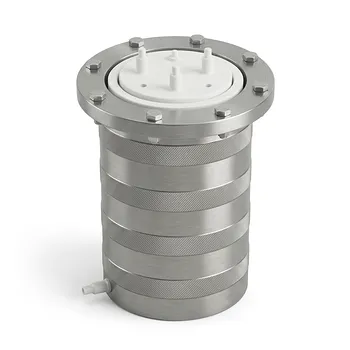
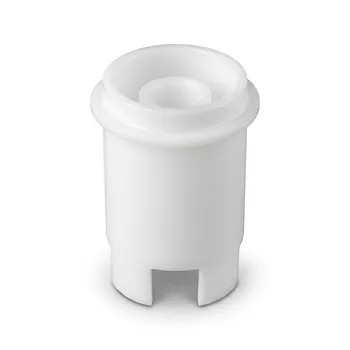
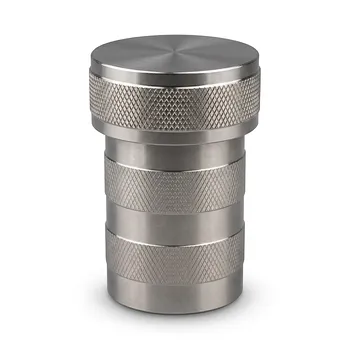
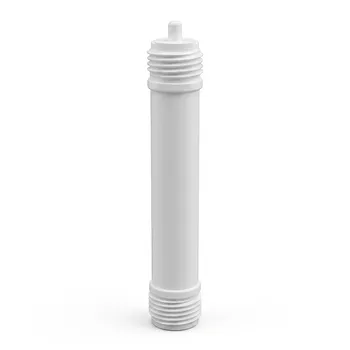
A PTFE-lined stainless steel high-pressure autoclave serves as a specialized reaction vessel that provides a sealed, high-temperature, and high-pressure environment for solvothermal synthesis. This equipment allows chemical precursors—such as titanium sources, organic ligands, or metal salts—to react at temperatures often ranging from 120°C to 180°C, facilitating the growth of complex crystalline nanostructures. The dual-material design ensures that the vessel can withstand intense internal pressure while remaining chemically inert to the reactive solutions inside.
The Core Takeaway: The autoclave functions as a synergistic containment system where the stainless steel shell provides the mechanical strength to handle autogenous pressure, while the PTFE liner ensures chemical purity by preventing corrosion and metallic contamination.
The Structural Synergy of the Autoclave
The Mechanical Role of the Stainless Steel Shell
The outer stainless steel shell acts as the primary pressure vessel, providing the mechanical integrity required to withstand high autogenous pressures generated during heating. This containment is essential for solvothermal processes where solvents reach temperatures well above their boiling points, creating a high-energy environment for crystal growth.
The Protective Role of the PTFE Liner
Polytetrafluoroethylene (PTFE) is used as an internal liner because of its exceptional chemical stability and resistance to corrosion. It acts as a barrier that prevents aggressive reaction liquids—including strong alkalis like Sodium Hydroxide (NaOH) or polar solvents like DMF—from eroding the metallic outer shell.
Ensuring High-Purity Synthesis
Eliminating Metallic Ion Contamination
In the synthesis of sensitive materials like terbium clusters or iron oxide nanoclusters, preventing side reactions is critical. The PTFE liner is chemically inert, ensuring that no metal ions from the stainless steel leach into the precursor solution, which maintains the high purity of the final single-crystal products.
Supporting Complex Crystalline Growth
The sealed environment allows for controlled kinetic conditions, such as programmed cooling or extended reaction times at constant heat. These conditions are vital for the "in-situ" growth of nanostructures on substrates like Graphene Oxide or the formation of specific metal-organic frameworks (MOFs).
Efficiency in Post-Reaction Recovery
Facilitating Product Collection
The extremely smooth, non-stick surface of the PTFE lining is a functional advantage during the recovery phase. It allows researchers to easily collect solid precipitates, such as synthesized powder sediments or single-walled carbon nanotube composites, without losing material to the vessel walls.
Preventing Impurity Carryover
Because the PTFE surface resists adhesion, it minimizes the risk of cross-contamination between different experimental batches. This ensures that intermediate products, such as Indium Hydroxide, can be fully recovered while keeping the vessel clean for subsequent high-precision synthesis.
Understanding the Trade-offs
Temperature Limitations of PTFE
While PTFE is highly inert, it has a lower thermal threshold than stainless steel. It is generally restricted to reactions below 250°C, as the material can begin to soften or release toxic fumes if its thermal limits are exceeded during a solvothermal run.
Pressure Constraints and Safety
While the stainless steel shell is robust, the pressure limits are dictated by the seal integrity and the thickness of the walls. Over-pressurization through improper solvent-to-volume ratios can lead to seal failure or vessel deformation, making precise filling calculations mandatory.
How to Apply This to Your Project
When utilizing a PTFE-lined autoclave for solvothermal synthesis, your approach should be dictated by your specific material requirements:
- If your primary focus is High-Purity Crystals: Prioritize the use of a clean PTFE liner to eliminate metal ion leaching and ensure precise single-crystal growth.
- If your primary focus is Corrosive Chemistry: Use this setup specifically when working with strong bases like NaOH or polar solvents like DMF that would otherwise destroy a standard metal vessel.
- If your primary focus is Material Recovery: Leverage the non-stick properties of the PTFE to ensure a high yield of powder precipitates or delicate nanoclusters.
By balancing the mechanical strength of steel with the chemical neutrality of PTFE, you create the ideal "micro-laboratory" for advanced material synthesis.
Summary Table:
| Component | Primary Function | Key Benefit for Synthesis |
|---|---|---|
| Stainless Steel Shell | Mechanical Containment | Withstands high internal autogenous pressure during heating |
| PTFE (Teflon) Liner | Chemical Barrier | Prevents metallic contamination and resists corrosive solvents |
| Non-stick Surface | Product Recovery | Ensures high yield of precipitates and easy cleaning |
| Sealed Environment | Kinetic Control | Supports stable, high-temperature growth of pure single crystals |
Elevate Your Synthesis with KINTEK’s Precision Fluoropolymer Solutions
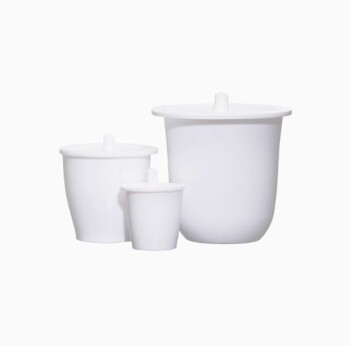
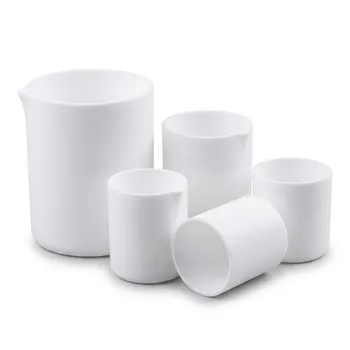
Achieving superior nanostructure growth requires the perfect balance of chemical purity and mechanical reliability. At KINTEK, we specialize in high-performance fluoropolymer materials, manufacturing everything from essential labware like beakers, crucibles, and reagent bottles to advanced PTFE-lined autoclaves and custom reaction vessels.
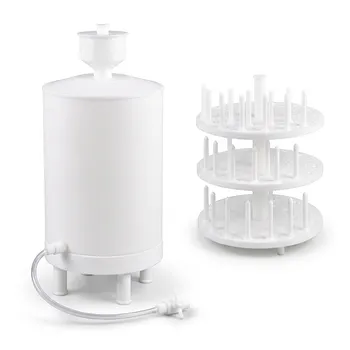
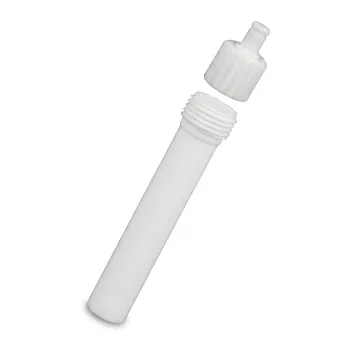
Whether you need standard consumables—such as high-purity tubing, filters, and stirring bars—or complex, non-standard machined parts, our end-to-end custom CNC fabrication ensures your specific laboratory requirements are met with absolute precision. From everyday basic labware and high-purity trace analysis instruments to advanced derivative apparatus like electrochemical cells and microwave digestion vessels, we maintain an exclusive focus on high-performance materials to support your most demanding research.
Ready to optimize your lab setup? Contact KINTEK today to discuss your custom laboratory needs.
References
- Xingmiao Huang, Jincai Zhao. The Tandem Nitrate and CO<sub>2</sub> Reduction for Urea Electrosynthesis: Role of Surface N‐Intermediates in CO<sub>2</sub> Capture and Activation. DOI: 10.1002/ange.202403980
This article is also based on technical information from Kintek Knowledge Base .
Related Products
- Custom TFM Reaction Vessel with Stainless Steel Jacket and PTFE Inner Cup for High Corrosion Resistance
- PTFE Lined High Pressure Digestion Vessel 50ml High Temperature Hydrothermal Synthesis Tank
- High Pressure Custom TFM Reactor Stainless Steel Outer Vessel PTFE Inner Cup for Corrosive Synthesis
- High Pressure PTFE Digestion Vessel Inner Cup Holder Custom Corrosion Resistant Low Background Teflon
- High Temperature Corrosion Resistant Hydrothermal Synthesis Reactor with TFM Inner Liner and Straight Cylinder Design
People Also Ask
- Why is a Polytetrafluoroethylene (PTFE) lined reaction vessel an ideal choice for preparing PtNPs/FeSAC tandem catalysts?
- Why are high-performance pressure-resistant reaction vessels required for oxygen-assisted hydrothermal conversion at 150 °C?
- Why are PTFE-lined reaction vessels necessary for forced degradation studies? Ensure high-purity results and accuracy.
- Why are high-quality fluoropolymer-lined reaction vessels required for alk-Ti3C2Tx MXene? Ensure Purity & HF Resistance
- How do magnetic stirring and reaction vessels impact MOF-derived carbon quality? Optimize Your Composite Performance